I. Authoritative Evidence: Effectiveness and Limitations of Ergonomic Office Chairs
1. Supporting Evidence and Mechanisms of Action
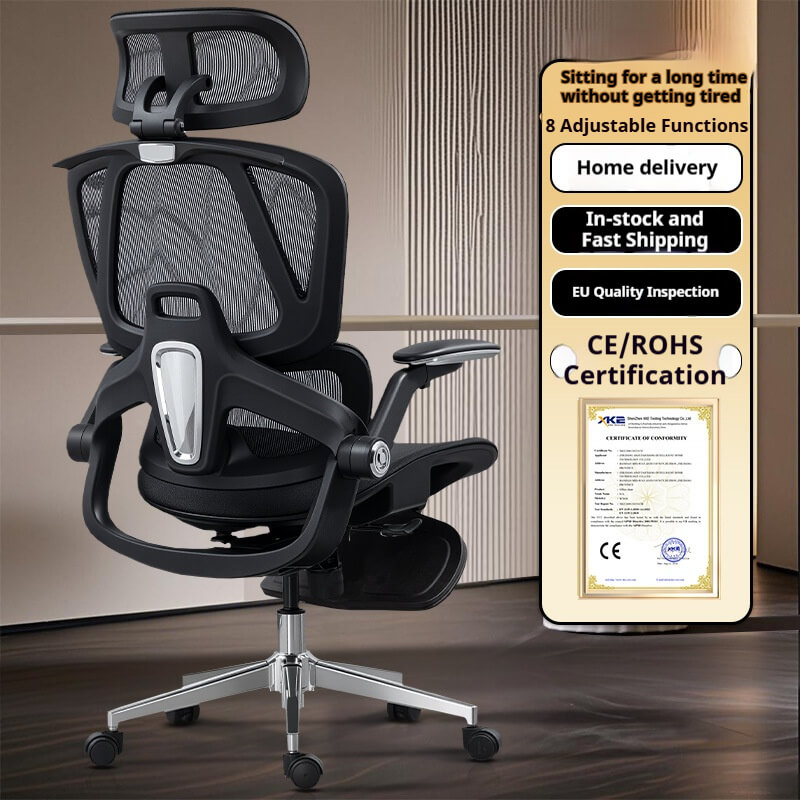
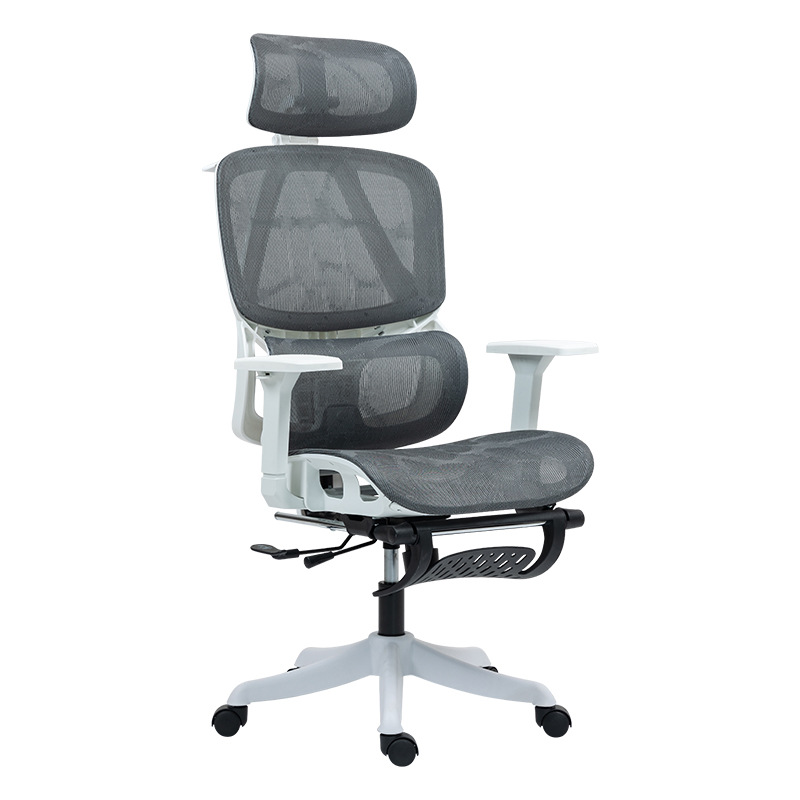
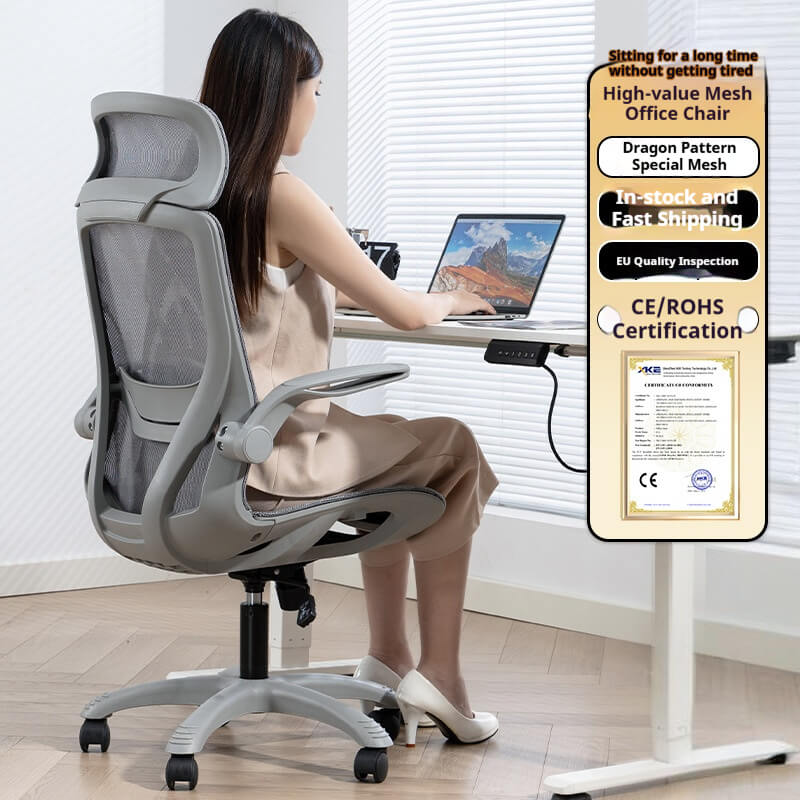
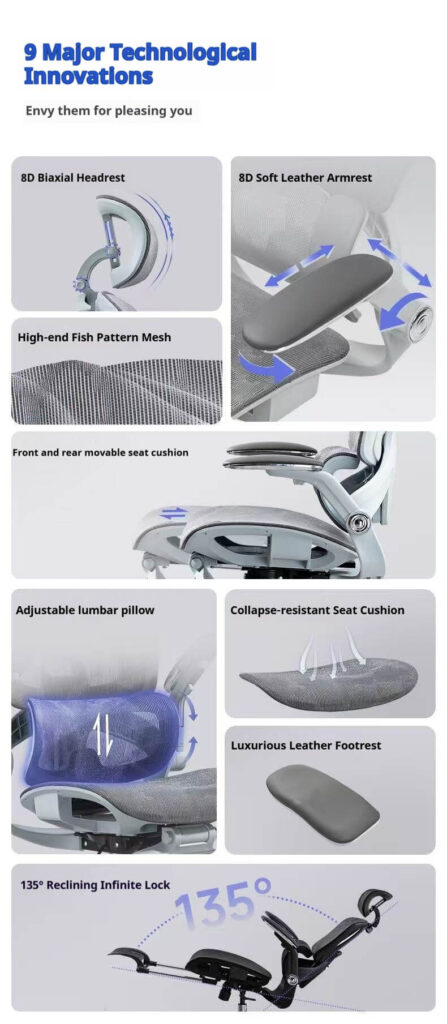
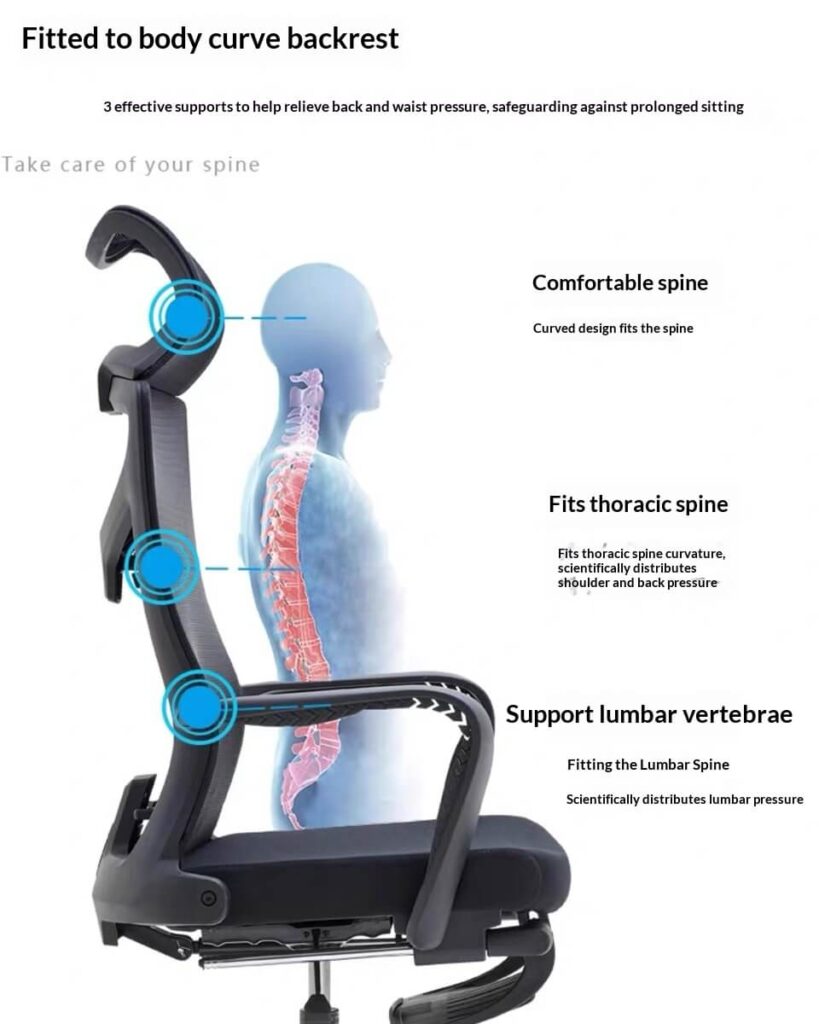
The core value of ergonomic office chairs lies in supporting the lumbar spine’s physiological curvature to distribute pressure. Studies have shown that their design can reduce lumbar pressure and alleviate muscle fatigue (Reference: Wang Yuling, expert from Guangzhou Health Commission, 2024). For example, adjustable lumbar supports can fit the lumbar curve to avoid lumbar suspension, while 4D armrests reduce shoulder and neck pressure by supporting the elbows (Reference: Department of Rehabilitation Medicine, The Sixth Affiliated Hospital of Sun Yat-sen University, 2024). However, it should be noted that their role is focused on improving sitting posture rather than curing diseases.
2. Critical Examination: Limitations Revealed by High-Quality Research
• Systematic Evaluation of Effect Boundaries
- The intervention effect of ergonomic office chairs on musculoskeletal pain is rated as “moderate” by some high-quality evidence, indicating that they are not a one-size-fits-all solution (Reference: Comprehensive Conclusions of Cochrane Systematic Review).
- Prolonged sitting itself is an independent health risk factor; ergonomic office chairs can only relieve part of the pressure and cannot eliminate the negative impact of prolonged sitting on metabolic circulation (Reference: Case from Department of Cardiovascular Medicine, Wuhan Fourth Hospital, 2022).
• Controversies Surrounding Standing Desks
Research on standing desks points out that their core value is to reduce sedentary time rather than directly improve health indicators (Reference: Occupational Health Research Review, 2024). Prolonged standing may increase lower limb venous pressure and needs to be alternated with sitting posture.
II. Expert Consensus: Scientific Selection and Usage Guidelines
1. Core Principle: Dynamic Is Superior to Static
Rehabilitation medicine experts emphasize that “the next posture is the best posture” (Reference: Director Wang Wanyin, Chengdu Bayi Orthopedic Hospital, 2024). Ergonomic office chairs should support posture changes rather than fix sitting positions. For example, chairs equipped with synchronized tilt functions can encourage micro-movements and avoid muscle stiffness.
2. Purchasing Checklist: Key Features Based on Evidence-Based Standards
For lumbar support: It must be adjustable in height and depth to accurately support the lumbar lordosis. This helps avoid excessive pressure concentration on the L4-L5 intervertebral disc (Reference: Spinal Biomechanics Research).
For seat pad design: It should have a waterfall edge and adjustable seat depth to ensure uniform pressure distribution. This reduces pressure on the back of the thighs and prevents compression of the popliteal blood vessels (Reference: Blood Circulation Research).
For adjustability: It should include 4D armrests, adjustable headrests, and linked backrest adjustment. This achieves personalized adaptation and avoids the failure of “one-size-fits-all design” (Reference: Ergonomics Test Data).
III. Analysis of Common Misconceptions and Controversies
1. The Misconception That “Higher Price = Higher Efficiency”
Experts point out that expensive chairs may improve materials and after-sales service, but basic functions (such as lumbar support adjustability) are the core (Reference: Guangzhou Health Commission, 2024). For example, a thousand-yuan product that meets BIFMA certification is no less safe than high-end models.
2. The Misunderstanding That “Chairs Replace Exercise”
Ergonomic office chairs need to be combined with 5 minutes of standing activity every hour (Reference: Occupational Health Guidelines). Studies have shown that after continuous sedentary sitting for more than 1.5 hours, the cumulative increase in lumbar disc pressure reaches 40%.
IV. FAQ: Answering High-Frequency Search Questions
Q1: Can ergonomic office chairs really treat low back pain?
→ No, they cannot replace medical treatment. They can relieve muscle fatigue through support, but pathological low back pain requires medical attention (Reference: Warning from Director Wang Wanyin, 2024).
Q2: How many times a day do I need to adjust the chair parameters?
→ It is recommended to fine-tune once every 2 hours (such as lumbar support height and recline angle) to avoid long-term fixed stress on the joints.
Q3: How to judge if a chair is suitable for me?
→ Check during the trial: ① Feet flat on the ground with a 90° knee angle;
② Lumbar support fits the deepest part of the lumbar spine;
③ Headrest supports the base of the skull rather than the middle of the neck.
About the Authors:
This article was written by a research team specializing in occupational health and ergonomics, and reviewed by experts with a background in rehabilitation medicine. Core team members have participated in discussions of relevant industry standards and have many years of research experience in the field of spinal biomechanics.