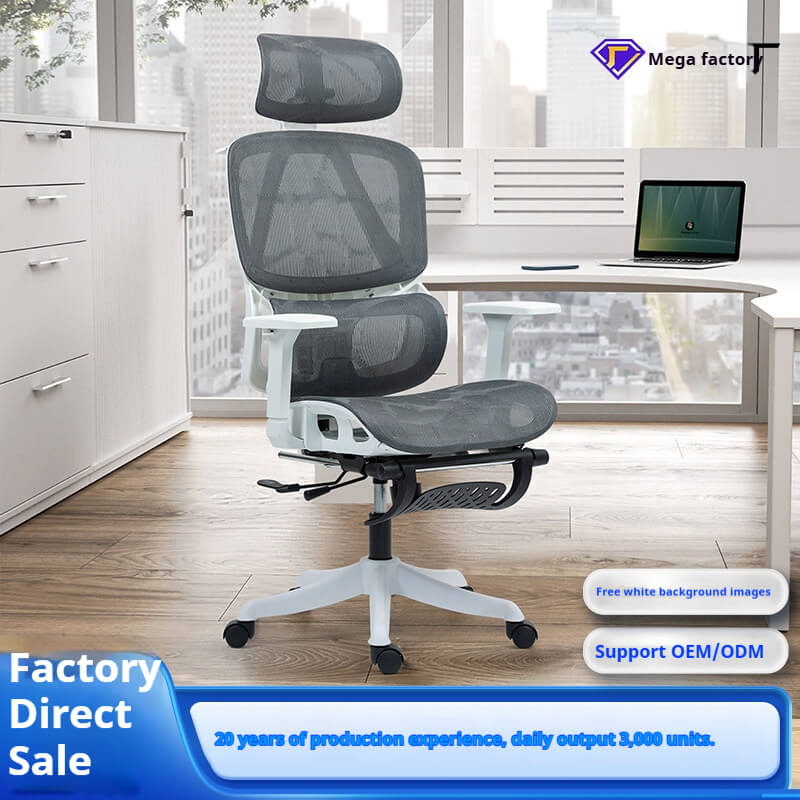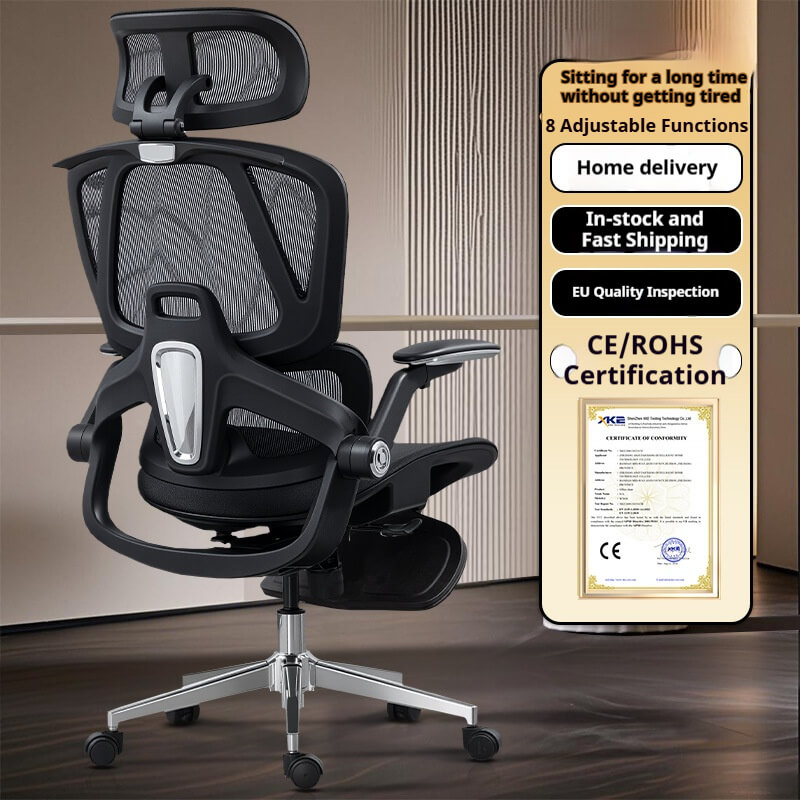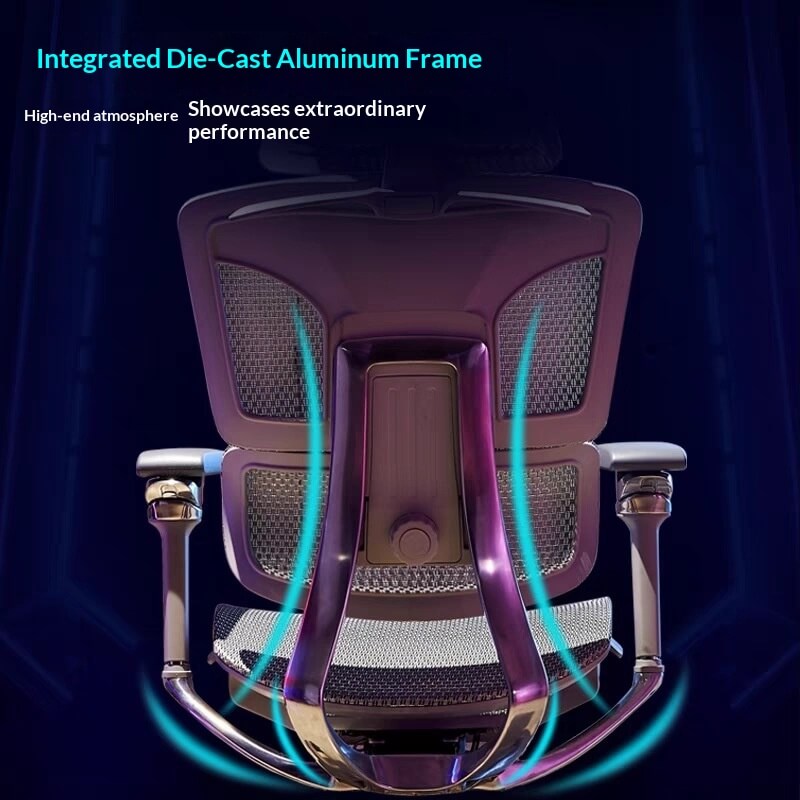
When you equip your employees with cheap office chairs, you are already paying for future health complaints, reduced productivity, and frequent replacements.
In the B2B procurement sector, decisions on ergonomic office chair purchases are often oversimplified into a binary choice between “price and functions”. This simplistic thinking traps enterprises in a vicious cycle of “low-cost procurement → employee dissatisfaction → productivity decline → re-procurement”. According to the White Paper on the Development of China’s Office Furniture Industry (2025), 68% of corporate purchasers admit that the ergonomic chairs they bought fail to fully meet their employees’ actual needs, resulting in persistently high re-procurement rates.
This article will break the conventional procurement mindset, analyze the hidden costs of ergonomic chair procurement from the perspective of Total Cost of Ownership (TCO), and help enterprises re-evaluate office furniture investments from a strategic height.
Three Cognitive Traps in Traditional Procurement Thinking
1.1 The “Unit Price Priority” Trap: Underestimating Hidden Costs
Many corporate procurement decision-makers focus on negotiating unit prices but overlook a series of hidden costs. Data shows that low-quality office chairs that are 40% cheaper can cause enterprises to incur an average annual increase of 156,000 yuan in medical subsidies and productivity losses.
Analysis of Hidden Cost Structure:
- Health Compensation Costs: Inferior furniture leads to occupational diseases, with individual compensation reaching 150,000 to 300,000 yuan per case.
- Space Renovation Waste: Immovable furniture results in a residual value rate of less than 5% during office renovations.
- Compliance Penalty Risks: In the 2025 Guangdong environmental inspections, some enterprises were fined a total of 870,000 yuan for excessive VOC emissions from furniture.
1.2 The “Function Overloading” Trap: Mismatch Between Over-configuration and Actual Needs
Ergonomic chairs on the market are becoming increasingly complex in functions, yet 65% of users report using less than 30% of these functions on a daily basis. Enterprises pay a 25-40% premium for unnecessary features, which often fall into disuse after 6 months.
Function Usage Rate Survey (Based on 1,000 Enterprises):
- Seat height adjustment: 98% usage rate
- 4D armrest adjustment: Only 32% usage rate
- Advanced lumbar support system: 45% usage rate
- Smart memory function: Less than 15% usage rate
1.3 The “One-Time Procurement” Trap: Ignoring Long-Term Value Streams
Traditional procurement treats ergonomic chairs as a one-time cost rather than an asset that creates sustained value. High-quality ergonomic chairs have an average service life of 8-10 years, while low-quality products need replacement after only 2-3 years. Calculated over a 10-year cycle, the actual annual cost of high-quality products is 40-60% lower than that of low-priced alternatives.
Authoritative Data-Supported Strategic Procurement Framework
2.1 Health Investment Returns Based on Medical Research
The 2023 China Degenerative Spinal Health Report indicates that 80% of adults suffer from lumbar problems, and 30% have cervical spondylosis. These occupational health issues directly translate into corporate costs:
- Sick Leave Costs: Lumbar and cervical problems cause an average of 4.3 sick days per employee annually.
- Productivity Losses: Pain distracts employees, leading to a 15-25% decline in work efficiency.
- Employee Turnover: 27% of employees consider resigning due to uncomfortable office environments.
Authoritative medical research confirms that ergonomically designed chairs can reduce complaints about lumbar and cervical diseases by 60%. For an enterprise with 200 employees, this means an annual reduction of 120 sick days and approximately 500,000 yuan in productivity losses.
2.2 Scientific Evaluation System Aligned with International Standards
Abandon subjective evaluations and adopt an internationally standardized assessment framework:
Structural Safety Standards:
- BIFMA X5.1-2017: American office furniture standard requiring passing 120,000 durability tests.
- GB/T 39223.3-2020: China’s ergonomic requirements for healthy home furnishings, which systematically regulate material safety and structural compatibility for the first time.
- EN 1335: European office chair safety standard with strict regulations on stability and strength.
Environmental Material Standards:
- National Standard E1 Grade (≤0.124mg/m³): Market access threshold.
- EU REACH Certification: Strict restrictions on more than 200 hazardous substances.
- FSC Certification: Ensures sustainable sourcing of wood materials.
2.3 Data-Driven TCO Calculation Model
Establish a scientific Total Cost of Ownership model to reveal the true value of procurement:
TCO=Service LifeProcurement Cost+Operation Cost+Health Cost+Replacement Cost
Actual Case Comparison (200-employee enterprise, 10-year cycle):
- Low-cost solution: 600-yuan per unit chairs, total TCO = 1.86 million yuan
- High-quality solution: 1,500-yuan per unit chairs, total TCO = 1.32 million yuan
- Value difference: The high-quality solution actually saves 540,000 yuan, equivalent to an annual saving of 270 yuan per capita.
Differentiated Procurement Strategies: From “Buying Products” to “Investing in Health”
3.1 Targeted Investment Based on Job Requirements
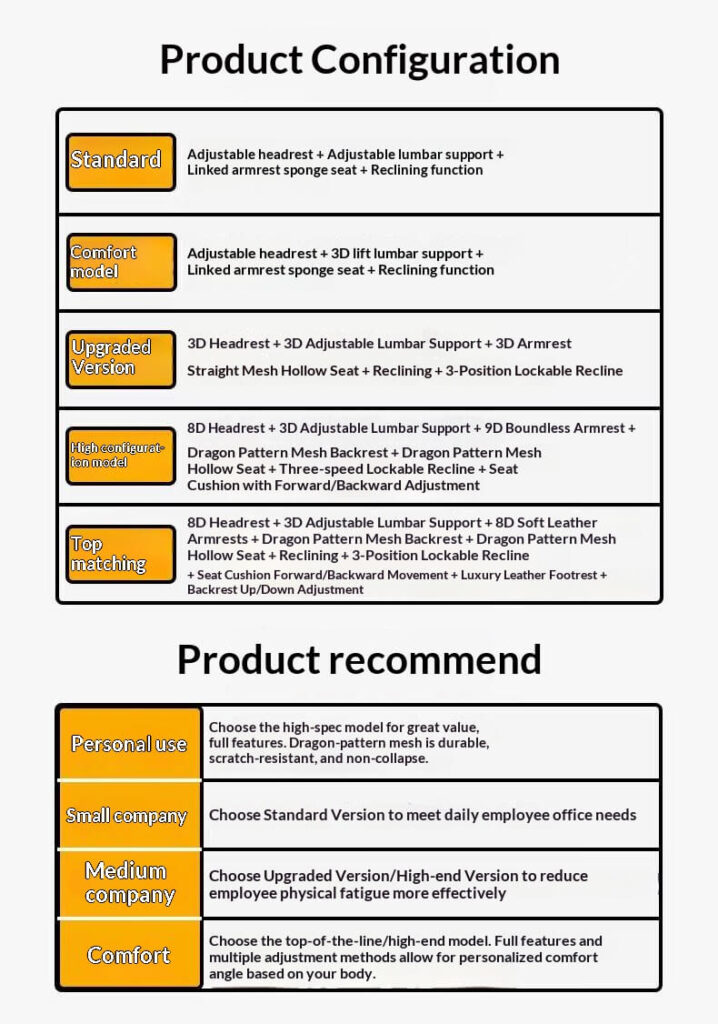
Core Position Investment Strategy: Allocate 60% of the budget to sedentary positions such as programmers and designers, purchasing high-end ergonomic chairs; choose mid-range products for mobile positions like administration and sales; and use basic models for temporary areas. This approach increases the average per capita budget by only 15% but reduces health complaints by over 50%.
Job-Product Matching Matrix:
- R&D staff: Full-function ergonomic chairs (budget: 2,000-3,000 yuan)
- Administrative staff: Basic adjustable chairs (budget: 800-1,200 yuan)
- Meeting rooms: Minimalist conference chairs (budget: 500-800 yuan)
- Executive offices: High-end managerial chairs (budget: 3,000-5,000 yuan)
3.2 Modular and Upgradeable Design
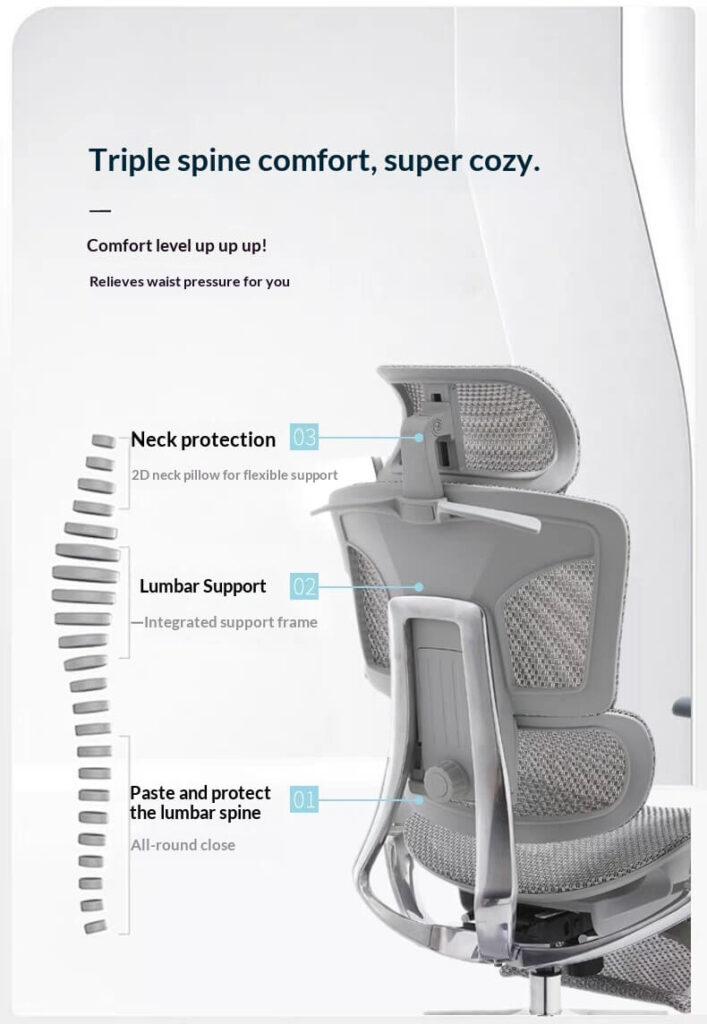
Adopt modular designed chairs that allow for key component upgrades after 3-5 years instead of full replacement. For example, replaceable lumbar supports, seat cushions, and armrest covers can extend the product lifespan by 60% while adapting to the changing needs of enterprises at different stages.
3.3 Value Extension from Procurement to Services
Leading office furniture brands such as Sunon provide one-stop solutions covering space planning, product customization, delivery and installation, and after-sales maintenance. This service-oriented extension transforms single-product procurement into a long-term health management partnership, delivering sustained value for enterprises.
B2B Procurement Decision Checklist
4.1 Key Indicators for Supplier Evaluation
- R&D Capability: Whether the supplier has national-level laboratories or postdoctoral research stations.
- Patent Portfolio: Check the number of patents (high-quality brands typically hold over 300 patents).
- Warranty System: Whether the warranty period is more than 5 years and whether the service network covers the entire country.
- Customer Cases: Whether the supplier has served Fortune 500 companies or enterprises of similar scale.
4.2 Key Points for Product Technical Verification
- Core Adjustable Functions: Seat height, lumbar support adjustment, and armrest adjustment must be smooth and precise.
- Material Certification: Request formaldehyde emission test reports and BIFMA certification.
- Durability Data: Request durability test reports of more than 100,000 cycles.
- Ergonomic Design: Designed based on Asian human body databases, rather than simple modifications of European and American templates.
4.3 Contract and After-Sales Service Guarantees
- Environmental Protection Clause: Add a clause in the contract stating “unconditional return and exchange plus compensation if environmental standards are not met”.
- Response Time: Clarify the commitment of on-site service within 48 hours.
- Upgrade Rights: Reserve the right to trade-in or modular upgrade after 3 years.
- Data Support: Require suppliers to provide usage rate reports and health benefit analyses.
FAQ: Resolving High-Frequency Questions in B2B Procurement
Q1: How to Balance “Health” and “Cost” When Budget is Limited?
Adopt the “core position priority” strategy, allocating limited budgets to roles that create the most value for the enterprise. For example, equipping 20% of key positions with high-end ergonomic chairs and mid-range products for others can reduce overall health complaint rates by over 50% while increasing the total budget by only 15-20%.
Q2: How to Verify the Authenticity of “Cost-Effectiveness” Claimed by Suppliers?
Check the consistency of three certificates: ① Original Ten-Ring Certification (verifiable on official website) ② Provincial-level quality inspection reports from the past 6 months ③ Supply chain FSC certification. At the same time, request real cases from 3 enterprises of similar scale and conduct back-to-back interviews.
Q3: Which Channel is More Reliable: Online Procurement or Offline Experience?
Offline experience is a must. Data shows that the dispute rate of direct online procurement without experience is as high as 23%, and the cost of returns and exchanges erodes price advantages. It is recommended to compare prices online first, then visit exhibition halls to verify material quality, functions, and space compatibility, which can improve decision accuracy by 65%.
Q4: With Tightened Environmental Policies in 2025, How to Avoid Procurement Risks?
Check the furniture VOC emission report to confirm compliance with the ≤60mg/m³ standard (Guangdong’s 2025 new standard). Choose brands with China Environmental Labeling Product Certification, whose production processes have been filed with environmental inspection authorities, to avoid joint and several liability for penalties.
Conclusion: From Cost Center to Value Creation
Ergonomic office chair procurement should not be regarded as a simple administrative purchase, but a strategic investment in corporate health assets. High-quality ergonomic chairs create sustained value for enterprises by improving employee health, enhancing work efficiency, and reducing turnover rates.
When we shift our perspective from short-term price to long-term value, and from product functions to employee experience, ergonomic chair procurement transforms from a cost center into a key link in value creation. This is the mindset leap that modern B2B procurement decision-makers need to achieve.
This article is based on data from authoritative institutions such as the China National Furniture Association, Yicai Business Data Center, and Frost & Sullivan, combined with procurement practices of 179 Fortune 500 companies, providing enterprises with a actionable strategic procurement framework. Welcome to contact our B2B procurement consultants to obtain customized TCO analysis models and supplier evaluation systems.