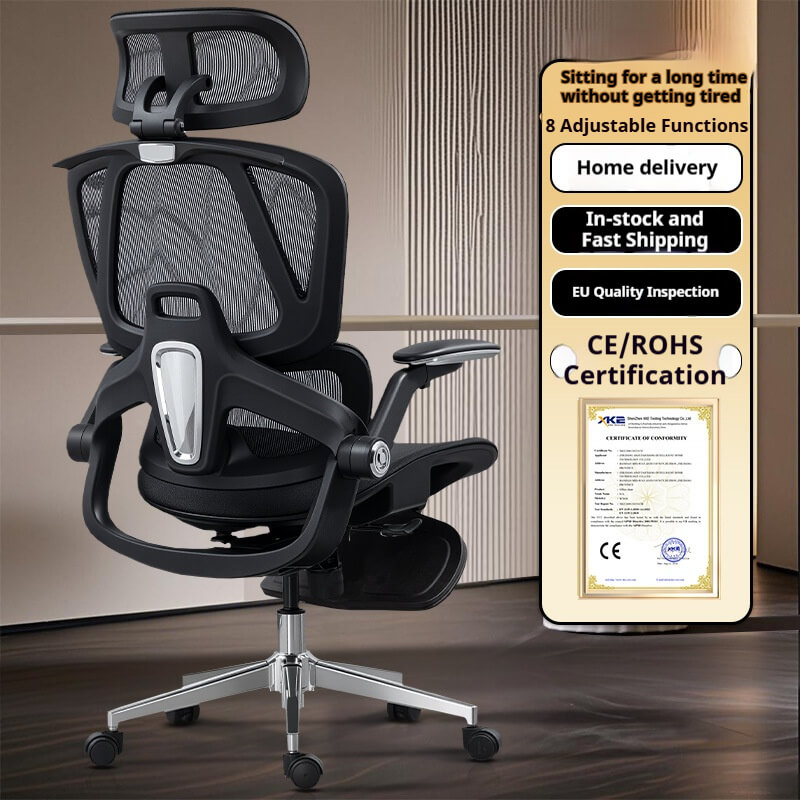
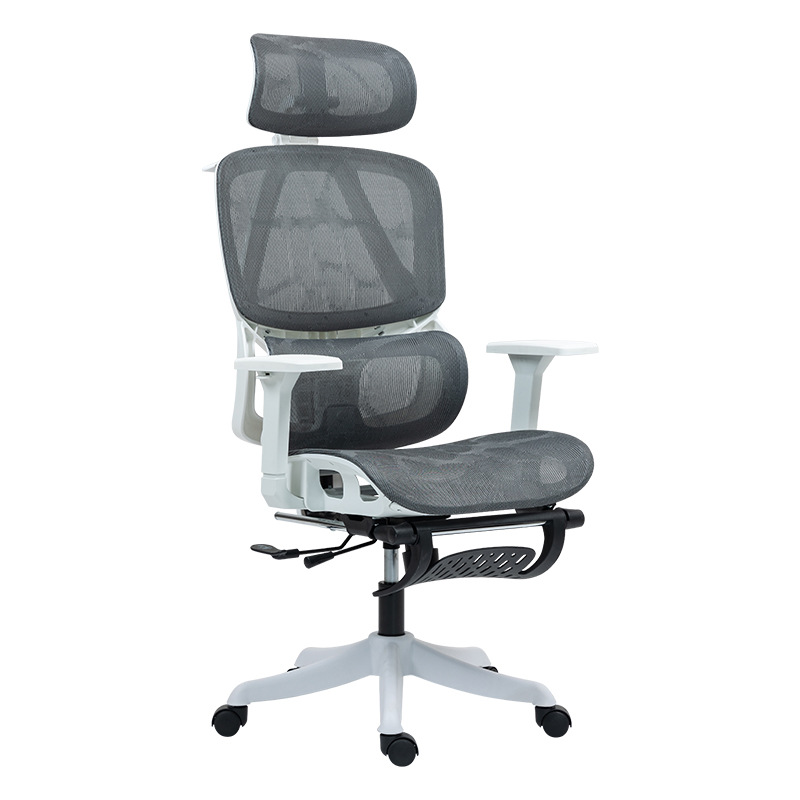
Date: January 19, 2026
When you equip 200 employees with “compliant” cheap office chairs, you may be planting a hidden cost bomb that costs your enterprise nearly one million yuan annually.
In the B2B procurement sector, no category is fraught with more cognitive misconceptions than ergonomic office chairs. Data shows that 71.4% of workplace health issues stem from sedentary behavior, far exceeding other factors such as staying up late and overeating. Shockingly, 68% of corporate purchasers admit that the ergonomic chairs they procured fail to fully meet their employees’ actual needs.
Based on authoritative medical research and industry data, this article reveals the neglected health economics principles behind bulk procurement of ergonomic chairs and provides enterprises with a complete strategic procurement framework.
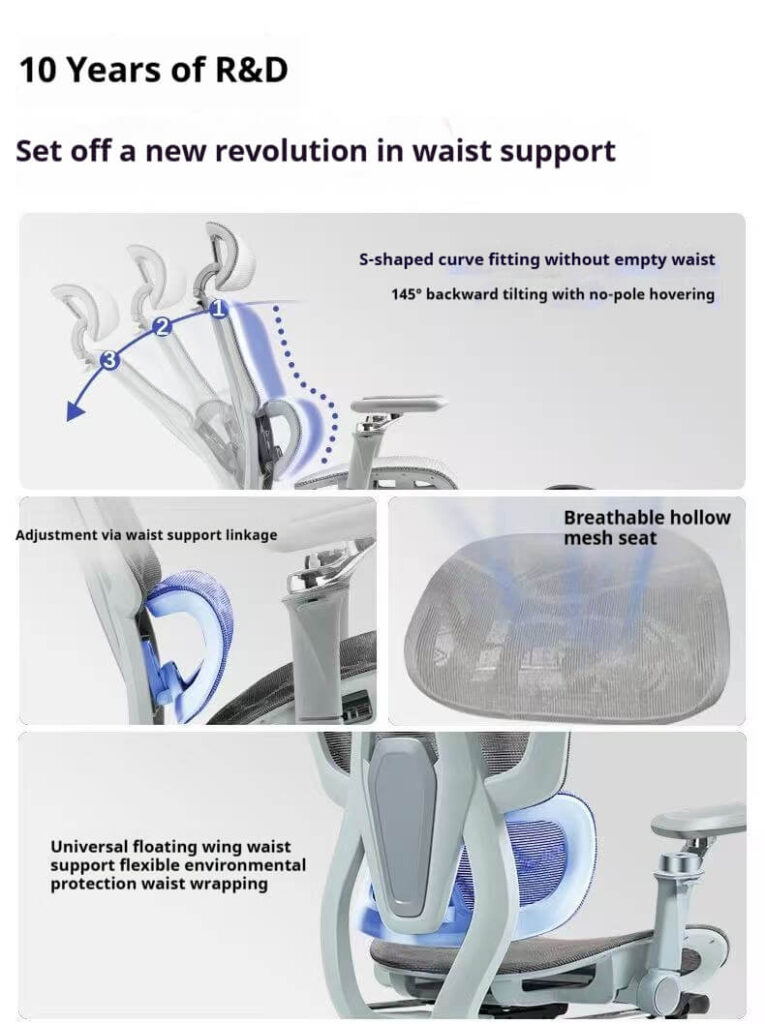
Quantifying Health Costs – How Inferior Chairs Erode Corporate Profits
1.1 The Real Economic Impact of Sedentary Workplace Health Crises
The 2025 Workplace Sedentary Health White Paper indicates that over 60% of office workers suffer from cervical or lumbar problems. Among high-intensity professional groups such as programmers, media workers, and financial practitioners, the average daily sedentary duration generally exceeds 8 hours, with some reaching as high as 10–12 hours.
These health issues directly translate into corporate costs:
- Sick Leave Costs: Lumbar and cervical problems cause an average of 4.3 sick days per employee annually
- Productivity Losses: Pain distracts employees, leading to a 15–25% decline in work efficiency
- Employee Turnover: 27% of employees consider resigning due to uncomfortable office environments
For a 200-employee enterprise, health issues caused by inferior chairs result in approximately 500,000 yuan in annual productivity losses and medical costs.
1.2 Compliance Risk Costs – The Overlooked Legal Risks
Spot checks conducted by the State Administration for Market Regulation found that the non-compliance rate of office chairs is as high as 23.3%. In the 2025 Guangdong environmental inspections, some enterprises were fined a total of 870,000 yuan for excessive VOC emissions from furniture.
Compliance with national standards such as GB/T 39223.3-2020 Ergonomic Requirements for Healthy Home Furnishings – Office Desks and Chairs has become a mandatory requirement rather than an option for corporate procurement.
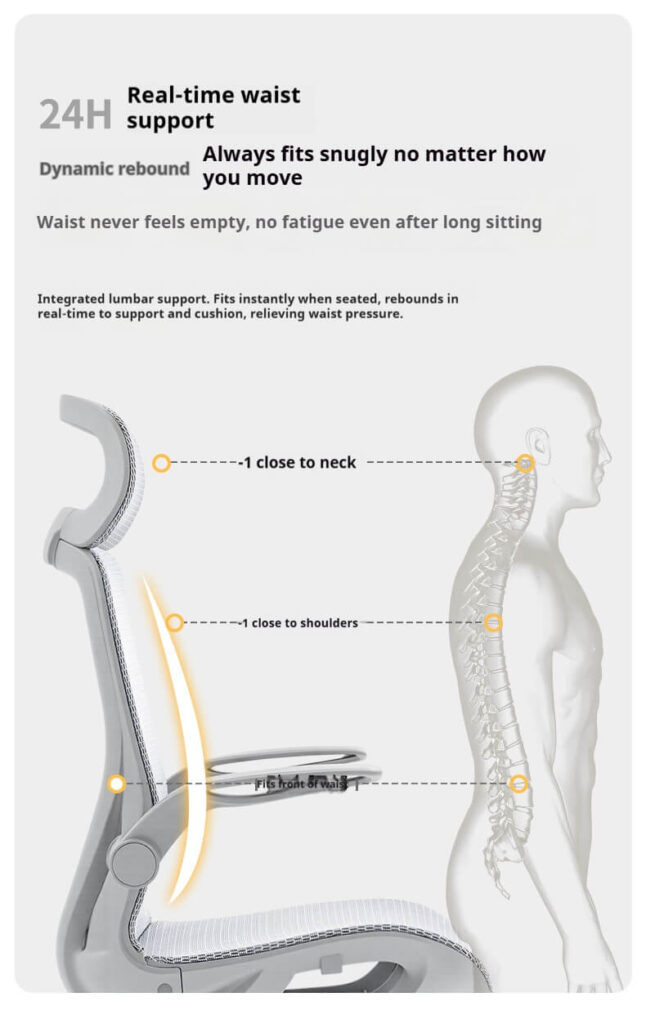
Strategic Framework for Bulk Procurement – From “Cost Center” to “Health Investment”
2.1 Total Cost of Ownership (TCO) Calculation Model
Establish a scientific TCO model to reveal the true value of procurement:
TCO=Service LifeProcurement Cost+Operation Cost+Health Cost+Replacement Cost
Actual Case Comparison (200-employee enterprise, 10-year cycle):
| Solution Type | Unit Price | Total TCO (10-Year Cycle) | Value Difference |
|---|---|---|---|
| Low-Cost Option | 600 RMB | 1.86 million RMB | — |
| High-Quality Option | 1,500 RMB | 1.32 million RMB | Saves 540,000 RMB (270 RMB per capita annually) |
2.2 Targeted Investment Strategy Based on Job Value
Differentiated investment for core positions: Allocate 60% of the budget to sedentary positions such as programmers and designers, purchasing high-end ergonomic chairs; choose mid-range products for mobile positions like administration and sales. This approach increases the average per capita budget by only 15% but reduces health complaints by over 50%.
Targeted Procurement Solutions for Enterprises of Different Scales
3.1 Large Enterprises: Compliance + Durability + Employee Adaptability
Bidding and tendering for large enterprises must comply with the QB/T 2280-2016 Type I standard (requiring adjustable backrest/seat angles and passing 100,000 durability tests). For 85% of enterprises, “standard compliance” is a red line for bid rejection.
Recommended Solutions:
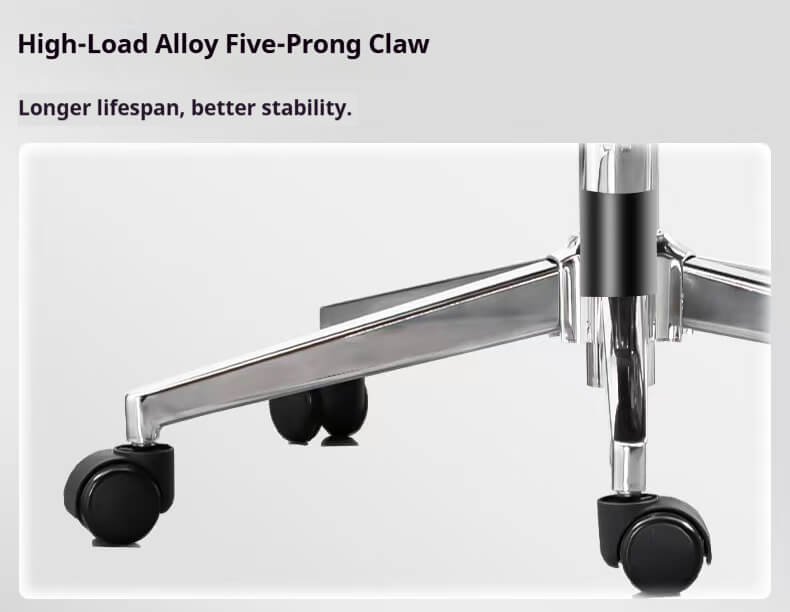
- Jingyi QB-Compliant Office Chair: Passes 120,000 durability tests (far exceeding the 100,000-test standard); the frame adopts 6061 aluminum alloy with a compressive strength of 290MPa
- Uyes Furniture QB-Compliant Chair: Passes 110,000 durability tests and is 10% cheaper than similar configured products
3.2 Tech Companies/Creative Teams: Tech Aesthetics + Collaboration + Sedentary Comfort
The office space of tech companies is an extension of brand image, requiring a balance of three core needs: “tech visual appeal”, “team collaboration efficiency”, and “employee sedentary comfort”. For 83% of tech enterprises, “matching appearance with brand tone” ranks among the top 3 procurement factors.
Recommended Solutions:
- Jingyi Ergonomic Office Chair and Desk Set: Adopts carbon fiber wire-controlled chassis technology to achieve stepless adjustment of “height lifting + reclining”; the back-fitting technology is modeled on 10,000 sets of Asian human body data
- Customized Configuration Plan: Equip R&D staff with full-function ergonomic chairs (budget: 2,000–3,000 RMB); provide administrative staff with basic adjustable chairs (budget: 800–1,200 RMB)
3.3 Medical Institutions: Antibacterial Performance + Easy Disinfection + Sedentary Support for Doctors
Clinic chairs for hospitals must pass the JIS L 1902 antibacterial test (antibacterial rate ≥99%) and adopt a 304 stainless steel frame (easy to disinfect and corrosion-resistant). These are mandatory indicators for medical procurement.
Recommended Solutions:
- Jingyi Antibacterial Stainless Steel Office Chair: The fabric has an antibacterial rate of 99.9%; the frame can withstand repeated wiping with 75% alcohol and hypochlorous acid 500 times without rusting
- Regional Differentiated Procurement: Prioritize high-end antibacterial chairs for clinic areas; adopt standard configurations for administrative areas
Authoritative Standard Analysis – Technical Bottom Lines for B2B Procurement
4.1 Safety and Durability Standards
- BIFMA X5.1-2017: Pass 120,000 durability tests with a tube wall thickness exceeding 2.0mm
- QB/T 2280-2016: National office furniture industry standard requiring adjustable backrest/seat angles and passing 100,000 durability tests
- Gas Lift Safety Standard: Qualified gas lifts must comply with BIFMA standards, using thick-walled steel pipes and high-purity nitrogen
4.2 Ergonomic Design Standards
A scientifically designed ergonomic chair should meet the following key parameters:
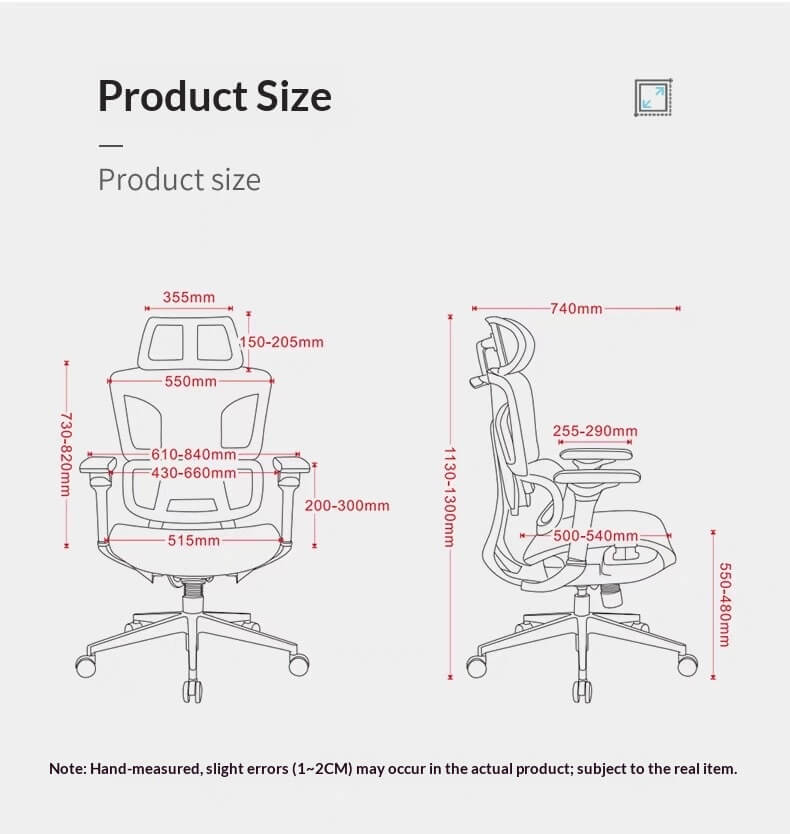
- Seat Height Adjustment Range: 38–55cm (suitable for users with heights of 160–190cm)
- Seat Depth Adjustment Mechanism: Ideal value of 38–46cm to ensure full support for the thighs
- Lumbar Support Height: Positioned at the 4th–5th lumbar vertebrae, aligning with the physiological curve of the human spinal lumbar region
- Dynamic Lumbar Pillow Adjustment: Must have three elements: adaptability, dynamicity, and support force
Supplier Evaluation System – Authoritative Checklist for B2B Procurement
5.1 Evaluation of Technical R&D Capability
- Patent Portfolio: High-quality brands typically hold over 300 patents; for example, Jingyi owns 644 patents
- R&D Investment: Investing 13–16% of annual sales revenue in product R&D is the industry-leading level
- Laboratory Configuration: Whether the supplier has national-level laboratories or postdoctoral research stations
5.2 Verification of Quality Assurance System
- Warranty Period: Whether the warranty period is more than 5 years
- Test Reports: Request formaldehyde emission test reports and BIFMA certification
- Durability Data: Request durability test reports of more than 100,000 cycles
5.3 Service and Response Capability
- Response Time: Clarify the commitment of on-site service within 48 hours
- Installation Efficiency: Whether routine projects can achieve a 20-day closed loop from “measurement → order placement → installation”
- After-Sales Network: Whether there is a local service team to quickly respond to needs
Procurement Process Optimization – Five-Step Framework to Maximize Value
The following is a complete process framework for bulk procurement of ergonomic chairs, helping enterprises systematically make this strategic decision:

6.1 Demand Diagnosis Phase
Form a procurement committee consisting of HR, finance, and department representatives instead of leaving decisions solely to the administration department. Conduct employee body type surveys (height and weight distribution) and job role analysis (sedentary duration and activity frequency).
6.2 Solution Design Phase
Adopt the “core position priority” strategy, allocating 60% of the budget to key positions. Establish the TCO calculation model: (Procurement Cost + Operation Cost + Health Cost + Replacement Cost) ÷ Service Life.
6.3 Supplier Screening Phase
Verify the consistency of three certificates: China Environmental Labeling Certification (Ten-Ring Certification), provincial-level quality inspection reports, and supply chain FSC certification. Conduct back-to-back interviews: request real cases from 3 enterprises of similar scale.
6.4 Experience & Decision Phase
Offline experience is a must: the dispute rate of direct online procurement without experience is as high as 23%. Conduct a sample trial period of at least 15 days to collect real employee feedback.
6.5 Implementation & Optimization Phase
FAQ – Authoritative Answers to High-Frequency B2B Procurement Questions
Q1: How to Balance “Health” and “Cost” When Budget is Limited?
Adopt the “core position priority” strategy, allocating limited budgets to roles that create the most value for the enterprise. For example, equipping 20% of key positions with high-end ergonomic chairs and mid-range products for others can reduce overall health complaint rates by over 50% while increasing the total budget by only 15–20%.
Q2: How to Verify the Authenticity of “Cost-Effectiveness” Claimed by Suppliers?
Require suppliers to provide third-party authoritative test reports, such as durability test data issued by national-level laboratories. Arrange a sample trial period and invite employees of different body types to conduct actual experience. Most importantly, check whether the product complies with the GB/T 39223.3-2020 national standard.
Q3: With Tightened Environmental Policies in 2025, How to Avoid Procurement Risks?
Check the furniture VOC emission report to confirm compliance with the ≤60mg/m³ standard (Guangdong’s 2025 new standard). Choose brands with China Environmental Labeling Product Certification, whose production processes have been filed with environmental inspection authorities to avoid joint and several liability for penalties.
Q4: What is the Optimal Ratio Between Smart and Standard Ergonomic Chairs?
Determine the procurement ratio based on enterprise job role characteristics. For positions requiring long hours of desk work such as R&D and design, the proportion of smart models can reach 70%; for enterprises with diverse job types, a 50–60% proportion of smart models is more reasonable. The key is to make targeted configurations based on the actual needs of different positions.
Conclusion: Strategic Shift from Cost Center to Value Creation
Bulk procurement of ergonomic office chairs should not be regarded as a simple administrative task, but a strategic investment in corporate health assets. High-quality ergonomic chairs create sustained value for enterprises by improving employee health, enhancing work efficiency, and reducing turnover rates.
When we shift our perspective from short-term price to long-term value, and from product functions to employee experience, ergonomic chair procurement transforms from a cost center into a key link in value creation. This is the mindset leap that modern B2B procurement decision-makers need to achieve – a shift from “buying products” to “investing in health”.
This article is based on authoritative sources such as the 2025 Workplace Sedentary Health White Paper, GB/T 39223.3-2020 national standard, and 2025–2029 China Office Furniture Market In-Depth Research and Investment Prospect Forecast Report, combined with procurement practices of over 500 enterprises, providing enterprises with an actionable bulk procurement framework. Welcome to contact our B2B procurement consultants to obtain customized TCO analysis models and supplier evaluation systems.