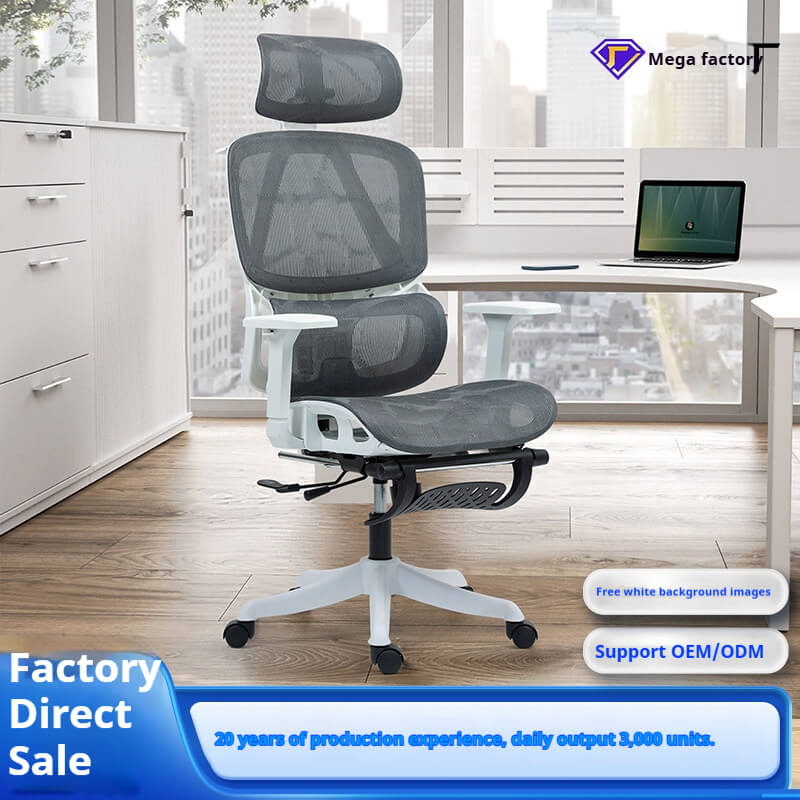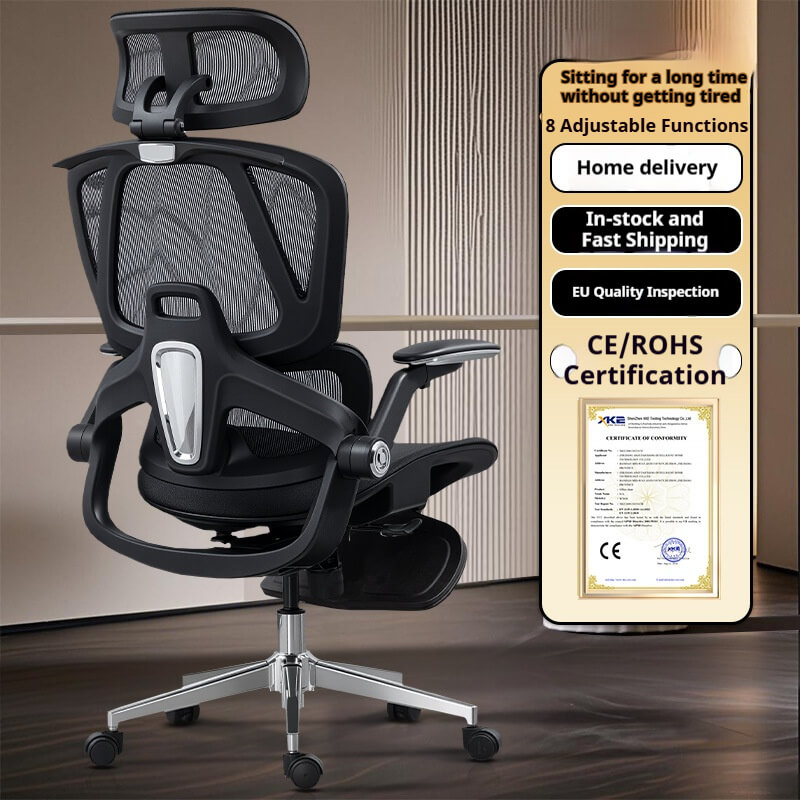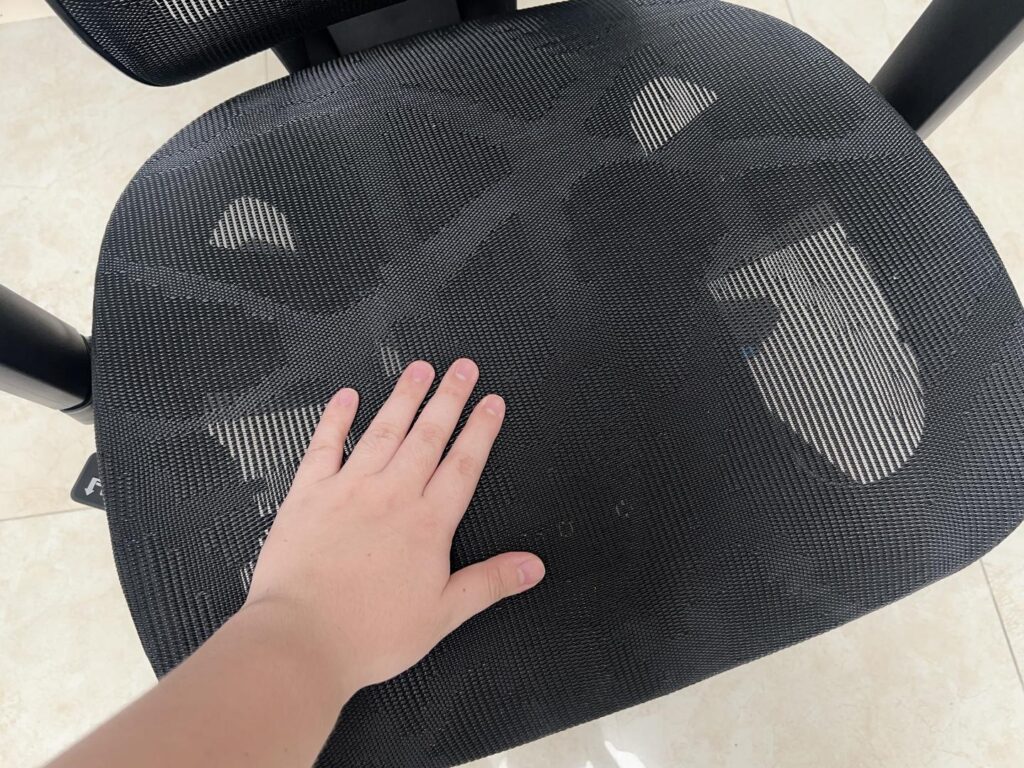
You find an ergonomic office chair with 3D armrests and adaptive lumbar support on a B2B platform for just $35. You do a quick back-of-the-napkin calculation against local retail prices, and the margins look incredibly lucrative. You place the order, pay the 30% deposit, and assume the rest is just waiting, listing, and profiting.
The reality is: The moment you hit “Pay,” your real risks just begin.
When the shipment arrives at your destination port, you might not be greeted by profits, but by a financial sinkhole. It could be customs inspections and fines triggered by a misdeclared HS code, cargo seized due to invalid BIFMA certifications, or simply because the factory’s poorly planned packaging meant your 40HQ container held 150 fewer chairs than expected—instantly spiking your per-unit shipping cost by 40%.
In cross-border trade, you are never just buying a chair; you are buying the “certainty” of transnational fulfillment. If you don’t have an insider on the ground in China controlling your customs and logistics, that $35 “factory price” will quickly mutate into a cash-flow-crushing nightmare.

The Insider Truth: The “Hidden Rules” Factories and Forwarders Won’t Tell You
As supply chain veterans, we have seen too many importers pay exorbitant tuition fees by falling into the following traps.
1. The CBM (Cubic Meter) Number Game
Office chairs are classic “volume cargo,” meaning ocean freight makes up a disproportionate amount of your total cost.
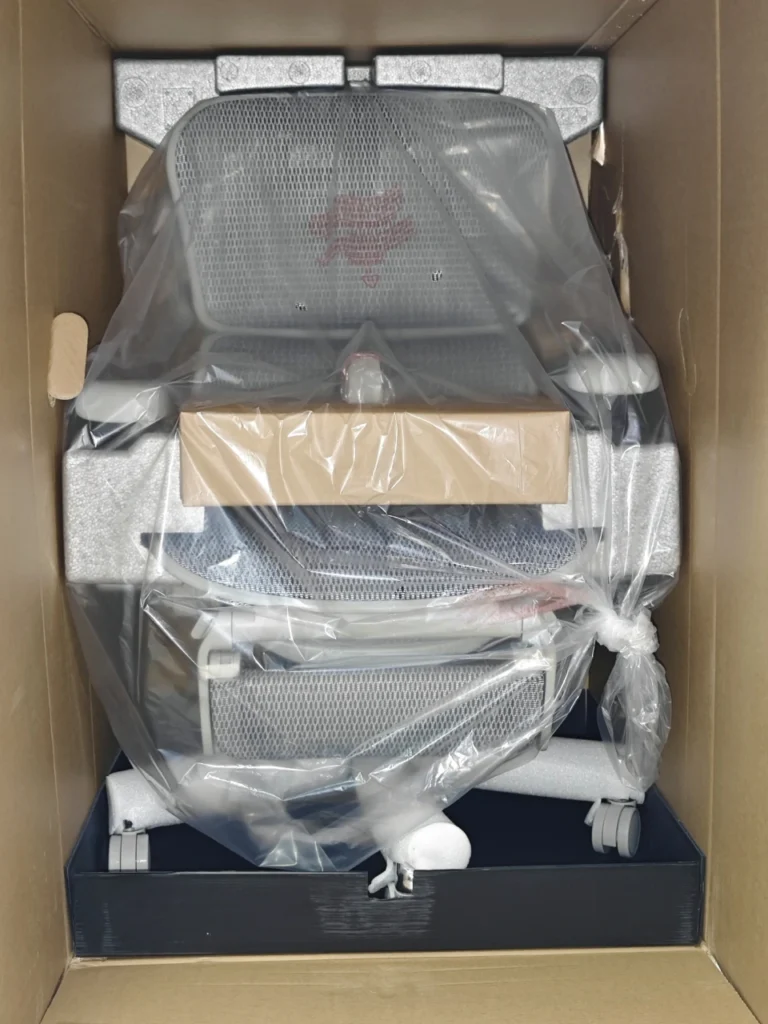
During initial quoting, factories often tell you a single chair’s packing volume is 0.11 CBM to make the deal look attractive. But when the goods are packed and ready to load, the dimension on the packing list quietly shifts to 0.14 CBM.
The consequence? A 40HQ container that should have held 618 chairs now only fits 485. That evaporated capacity means you just paid nearly 25% more in ocean freight for every single unit.
2. The “Schrödinger’s Status” of BIFMA and Gas Lifts
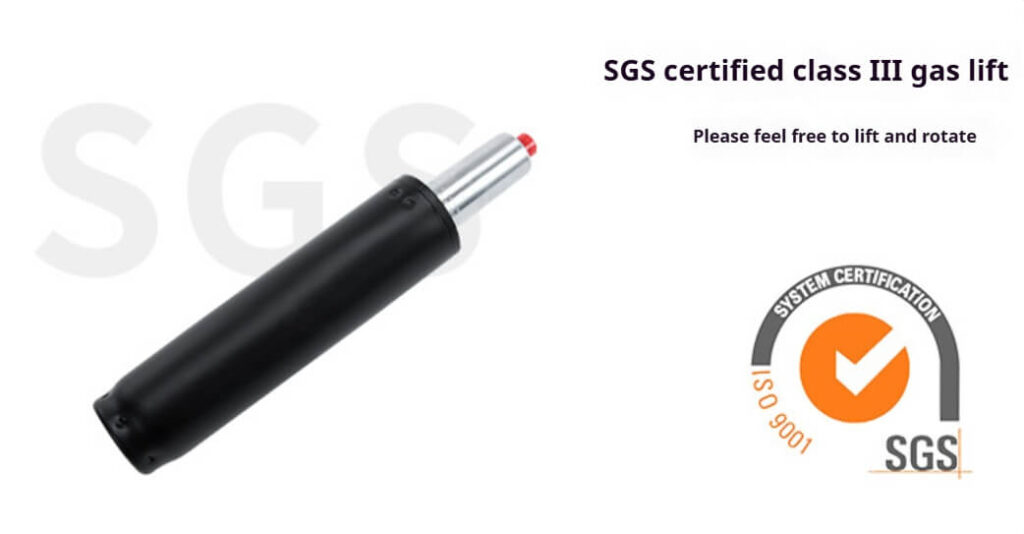
The PDF certification files the factory sends you are usually real—but they belong to a “Golden Sample” the factory spent heavily to pass testing. In your actual mass production run, the required Class 4 explosion-proof gas lift is highly likely to be quietly downgraded to a cheaper Class 2 or Class 3 component.
If destination customs scrutinize the shipment, or worse, if a gas cylinder explodes in your end market, you are the one facing massive liability claims and legal action, not the assembly plant thousands of miles away in Dongguan or Anji.
3. The Trap of CIF/FOB “Bait and Switch” Pricing
Many beginners let the factory handle logistics using CIF terms or a “super-low-rate FOB forwarder” recommended by the supplier. This is the classic “pay cheap at origin, get gouged at destination” trap.
The forwarder takes the cargo at a loss in China, only to slap you with inflated Destination Delivery Charges (DDC), Container Imbalance Surcharges (CIS), and arbitrary document fees when the goods arrive. If you refuse to pay, they withhold your Delivery Order (D/O), and you rack up exorbitant daily Demurrage fees at the port.
The ROI & Risk Breakdown: A Brutal Calculation of Total Cost of Ownership (TCO)
Stop obsessing over the EXW or FOB factory price. As a mature importer, you must calculate the True Landed Cost.
Let’s look at a 40HQ container (assuming 500 office chairs at $35 each) shipping to the US West Coast, comparing a “blind import” versus one strictly managed by an “on-the-ground Partner.”
| Cost Items | Blind Import (Actual Spend) | Partner-Managed (Optimized Spend) | Profit Leakage Analysis |
| Product Cost (500 units) | $17,500 ($35/unit) | $17,500 ($35/unit) | Price is identical, but the latter guarantees component quality. |
| Ocean Freight (40HQ) | $4,500 | $4,500 | Standard market rate. |
| Loading Loss (CBM Inflation) | +$1,250 (Wasted space increases unit cost) | $0 (3D container loading simulation maximizes space) | Non-compliant factory packaging is a major margin killer. |
| Hidden Destination Fees | $1,800 (Forwarder price gouging) | $500 (Transparent, standard Local Charges) | The nominated forwarder trap. |
| Customs & Compliance | $4,375 (Standard tariff + penalty risk for misdeclaration) | $2,625 (Legally optimized HS Code & origin planning) | Incompetent brokerage leads to surging tax rates. |
| Demurrage / Detention | $1,500 (Cargo stuck for 3 days due to document errors) | $0 (Pre-audited documents, immediate release) | Every day of delay burns cash. |
| Actual Landed Cost | ≈ $58.25 / Unit | ≈ $50.25 / Unit | A difference of $8 per unit, or $4,000 per container. |
As the data shows, due to customs delays, volume inflation, and hidden fees, you can easily bleed $8 of net profit per chair. That $8 belongs in your pocket.
Our Role: Your Defense Line and Ground Truth in China
We don’t manufacture chairs, and we don’t make outsized margins on product markups. We are the buyer’s “insider” at the manufacturing origin and the “firewall” for customs and logistics.
Our working protocols are cold and mechanical, because data doesn’t lie:
- Relentless CBM Verification: We reject verbal CBM data from factories. Before shipping, we physically measure the actual master cartons and run 3D container loading simulations. If the factory’s bulging cartons result in dead space, we hold them accountable for the freight difference.
- Core Component Traceability: We don’t trust photocopied PDFs. We physically cross-check the stamped codes on the mass-production gas cylinders against the batch numbers issued by SGS or TUV, cutting off compliance risks at the source.
- HS Code Pre-Audits & Tariff Optimization: Before the Commercial Invoice is generated, our customs experts audit the bill of materials to legally classify your chairs (e.g., distinguishing accurately between 9401.39 and 9401.31). This ensures you get the optimal tariff rate at the destination port without ever crossing compliance red lines.
- Closed-Loop DDP/DDU Logistics: We provide transparent, door-to-door quotes from the Chinese factory floor to your overseas warehouse. No blind-box fees, no held-hostage shipments. Every penny is locked in before the vessel leaves the port.

Don’t Lose Your Margin on Step One
If you are currently negotiating with a Chinese factory or are about to pay a deposit for a batch of office chairs, pause for a moment.
Paying blindly is irresponsible to your cash flow. You can send us the PI (Proforma Invoice) and the packing list the factory provided. We will run an objective CBM Loading Calculation and a Pre-shipment Landed Cost Audit for you.
Figure out your true bottom line before you decide if the deal is actually worth doing.