In the high-stakes world of mesh vs pu leather office chair bulk buying, most wholesalers make the mistake of choosing based on “look and feel” or current showroom trends. This is a fatal strategic error.
If you are importing a 40HQ container into a tropical climate or a high-traffic corporate environment without a technical understanding of material degradation, you aren’t buying assets—you are buying a future surge in warranty claims. In the office chair industry, the material is the first thing your customer touches, and it’s the first thing that fails. When the PU peels in six months or the mesh sags after 300 hours of use, your “competitive price” becomes a massive financial drain.
This guide is not a sales pitch for the “best” material. It is a cold, technical breakdown designed to protect your margins and prevent your brand from becoming synonymous with “disposable furniture.”
The Insider Truth: The Chemical Warfare of PU vs. Mesh
To survive a bulk procurement cycle, you must look past the aesthetic and understand the “insider” manufacturing shortcuts that destroy product longevity.
1. The PU Leather “Hydrolysis” Scam
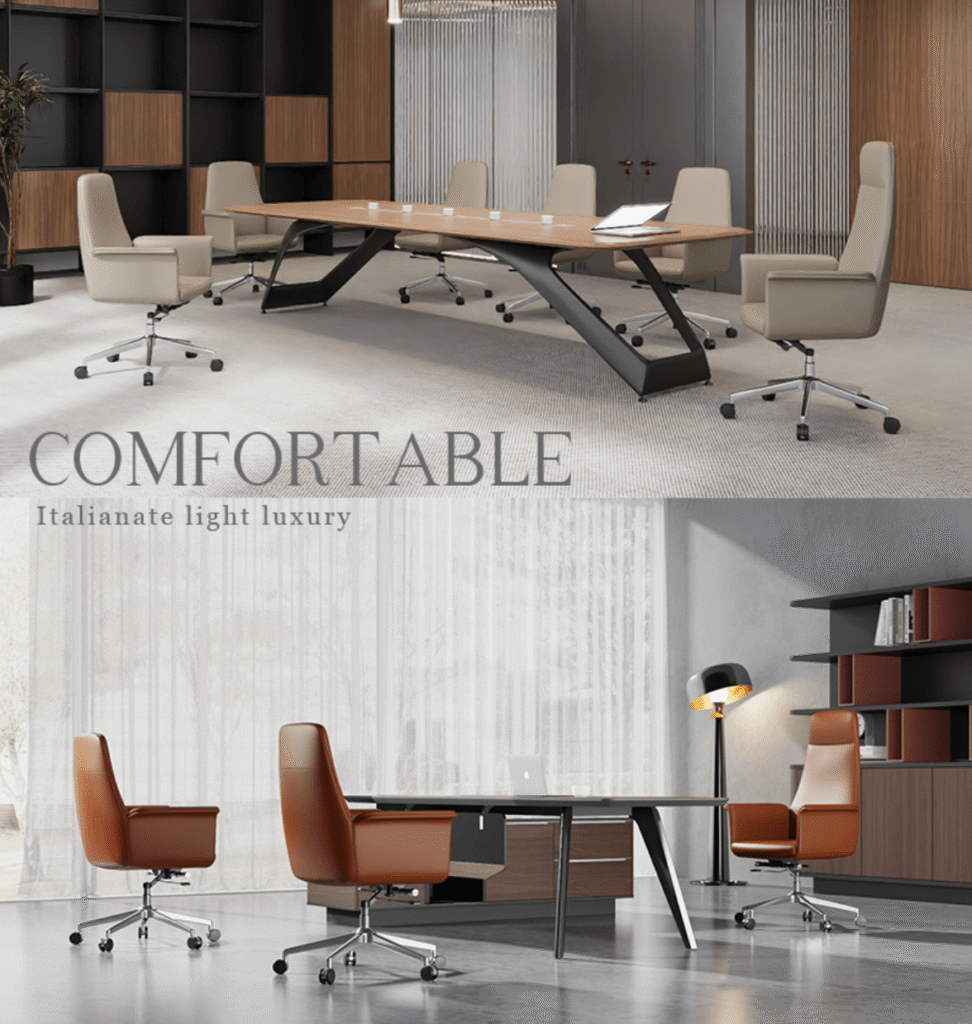
Most PU (Polyurethane) used in bulk-manufactured chairs is “Dry Process” PU. To save $2.00 per meter, factories often use low-grade resins with poor hydrolysis resistance.
- The Reality: In humid regions (Southeast Asia, Gulf States, Florida), the moisture in the air reacts chemically with the cheap PU. The result is the infamous “peeling” or “crackling” effect.
- The Insider Secret: Factories often provide a 2-year warranty, knowing the material will only fail in month 18—conveniently after you’ve placed your third or fourth repeat order. Unless you specify “Hydrolysis Resistant PU (3-5 Year Grade)“ in your Bill of Materials (BOM), you are getting the bottom-shelf scrap.
2. The “Recycled Nylon” Mesh Trap
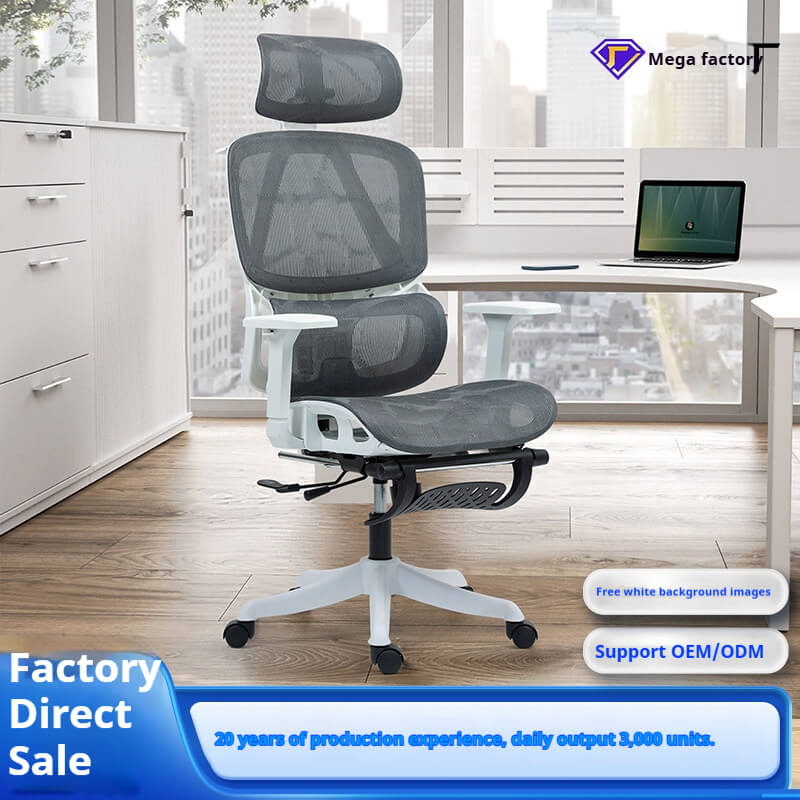
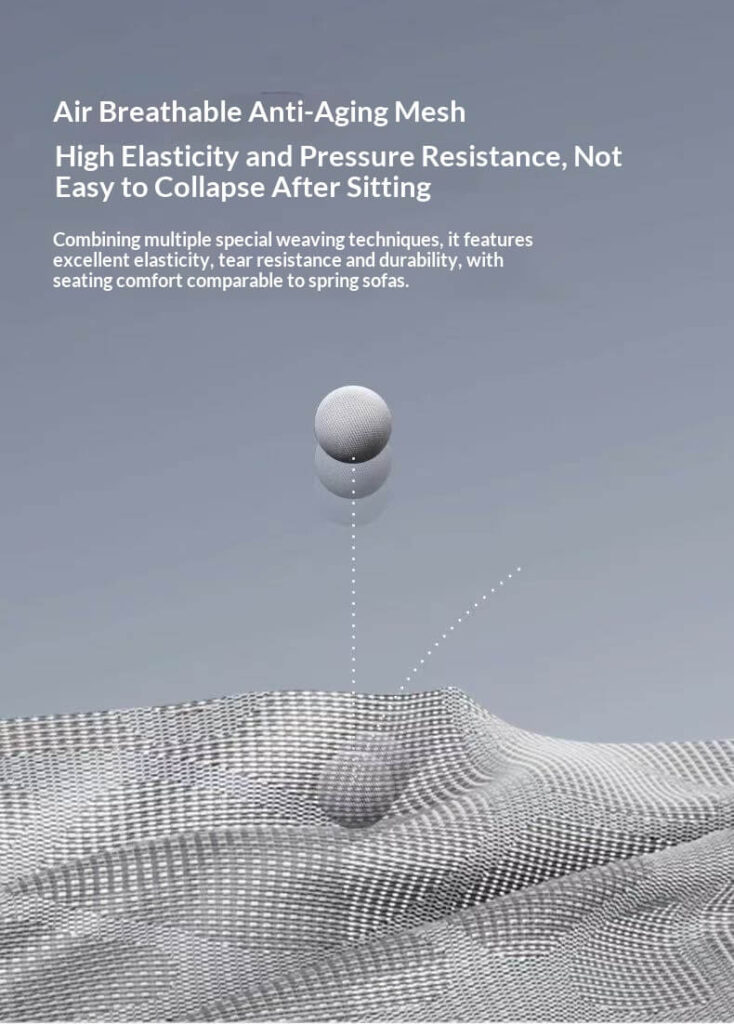
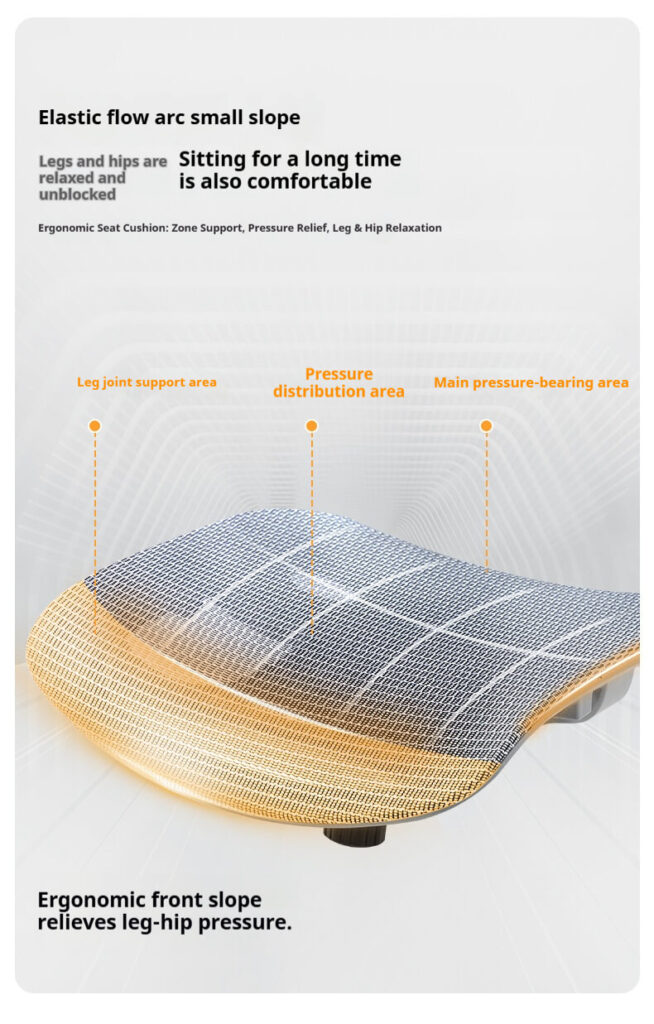
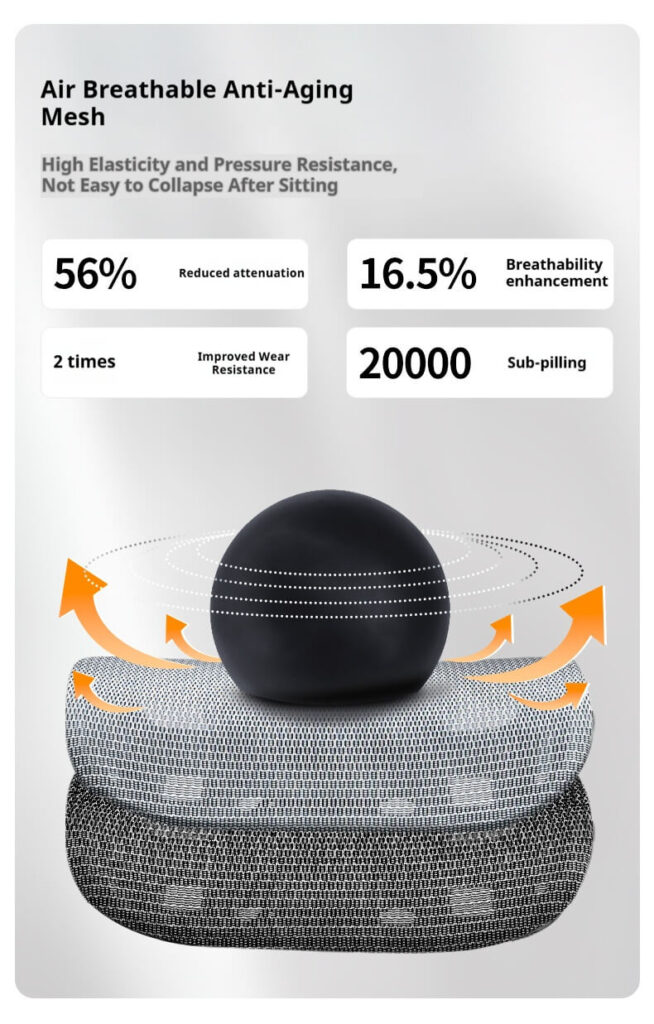
Mesh is marketed as the ultimate ergonomic solution for airflow, but it has a hidden weakness: Creep Rupture.
- The Reality: To win a price war, suppliers use mesh woven with recycled nylon or high-ratio polyester instead of virgin elastomeric filaments.
- The Insider Secret: High-quality mesh (like Korean Wintex) maintains 95% of its tension over 100,000 cycles. Cheap mesh “bottoms out” within 6 months. Once the mesh sags and the user feels the plastic frame beneath their thighs, the chair is functionally dead.
The ROI & Risk Breakdown: Total Cost of Ownership (TCO)
When conducting mesh vs pu leather office chair bulk buying, the initial FOB price is a distraction. The real calculation is the cost per usable month.
| Variable | Budget PU Leather ($48 FOB) | Performance Mesh ($55 FOB) |
| Ideal Climate | Temp-controlled / Cold | High-humidity / Tropical |
| Material Life Expectancy | 12-18 Months (Peeling risk) | 36-60 Months (If virgin nylon) |
| Cleaning & Maintenance | Wipe-down only (High risk of sweat-acid damage) | Breathable (Washable/Vacuumable) |
| Warranty Claim Rate | 12% (Surface cracking) | < 2% (If tension-tested) |
| Replacement Shipping | $1,500 per LCL batch | $0 (Predictable lifespan) |
| TCO (36-Month Period) | $115.00 per unit | $57.00 per unit |
Strategic Advice: If your target market is in a hot/humid region, buying PU leather is a logistical suicide mission. The “savings” of $7.00 per chair at the factory gate will cost you $67.00 in total lifecycle losses.
The Defense Line: Technical Verification Protocols
We don’t ask you to trust our word. We provide the forensic evidence that ensures the material matches the invoice. As your “internal defense line” in China, we enforce the following:
- Taber Abrasion & Hydrolysis Testing: Before the first roll of PU is cut, we demand a 24-hour humidity chamber test and a 30,000-cycle Taber abrasion report. If the factory cannot produce this for the specific batch, we reject the material.
- Mesh Tension Baseline: We use a digital force gauge to measure the “deflection rate” of the mesh on the assembly line. If the tension deviates by more than 5% from the Golden Sample, it indicates the factory has swapped virgin yarn for cheaper polyester filler.
- Cross-Section Inspections: We physically cut samples of the PU to verify the backing fabric thickness. A 1.2mm PU on a T/C backing is the bare minimum for commercial use; anything less is “residential grade” disguised as “office professional.”
Next Steps for Professional Wholesalers
The choice between mesh and PU leather isn’t about preference; it’s about the environmental variables of your warehouse and your end-customer’s office. Making the wrong choice at the container level is an expensive lesson in chemistry and physics.