The "Perfect Order" Illusion: Why Veteran Buyers Lose $100k on Chinese Office Chairs
And the 3-Millimeter Blind Spot they all miss. (A Supply Chain Autopsy Report)
Why Your Iron-Clad Contract and SGS Inspections Won't Save You
Let’s skip the pleasantries. If you are a procurement manager sourcing ergonomic chairs from China, you likely believe you have the process locked down. You negotiated a brutal FOB price. You demanded BIFMA X5.1 compliance. You even hired a third-party inspector (like SGS or Intertek) for a Final Random Inspection (FRI) before shipment.You think you are safe. You are not.In the deep waters of Chinese contract manufacturing, "Quality Fade" isn't an accident—it’s a highly sophisticated, calculated engineering maneuver. A maneuver designed specifically to bypass your Western procurement logic and your third-party inspectors.Let me walk you through the autopsy of a disastrous $150,000 order placed by an experienced European buyer. He did everything right on paper. But he lacked the sole thing that matters: The Independent Auditor’s Paranoia.
Case File #01: The "Class 4" Gas Lift Sleight of Hand
The buyer specified KGS or Samhongsa Class 4 gas lifts—the global gold standard for safety and durability. The supplier enthusiastically agreed. The pre-production sample featured a flawless, heavy-duty Class 4 lift.
The Reality (The Execution of the Fade):
When mass production began, the factory didn’t switch to a visibly cheap, unbranded cylinder—that would be too easy for the SGS inspector to catch.
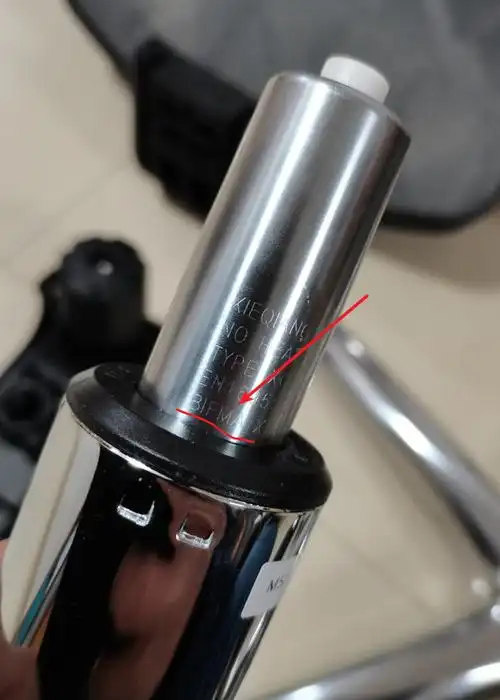
Instead, they employed what we call the “Shell Game.” They sourced a customized cylinder from a secondary tier-3 city factory. This cylinder had the exact same external dimensions, the same powder-coated finish, and even counterfeit laser-engraved “Class 4” markings.
However, the internal tube wall thickness was reduced by just 0.8mm. The nitrogen gas mixture was altered with cheaper propellants.
The Fallout:
The inspector checked the visual marks and passed the lot. The chairs arrived in Munich. Six months into end-user usage, the 0.8mm missing steel began to yield under repetitive load. The chairs started slowly sinking. Within 8 months, the company faced a 14% return rate. The cost of labor to replace the gas lifts in Europe dwarfed the initial $2.50 savings the Chinese factory pocketed per chair.
Case File #02: The Nylon-Glass Fiber Ratio Dilution
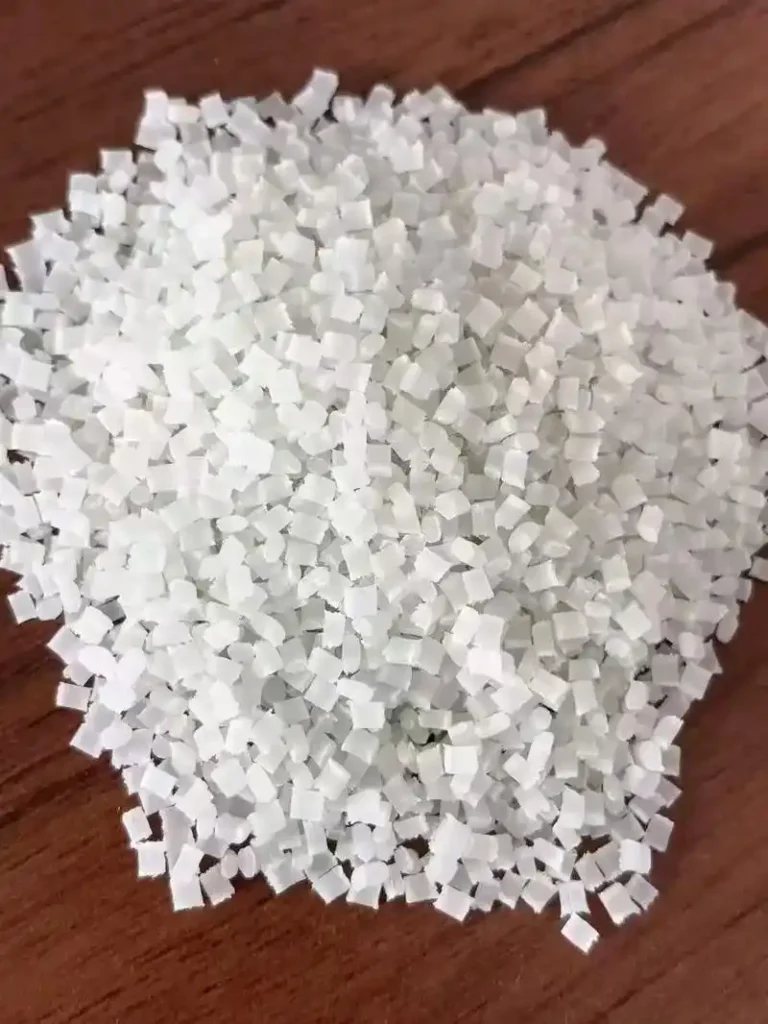
To achieve a strong, durable chair frame (especially for the five-star base and backrest), the industry standard is to inject PA66 (Nylon) mixed with 30% to 35% Glass Fiber (GF) reinforcement.
The Reality (The Invisible Downgrade):
Plastic resin prices fluctuate. To pad their margin after giving you that “amazing” discount, the factory quietly altered the injection molding recipe. They dropped the GF ratio to 15% and, worse, blended in 30% recycled regrind plastic instead of virgin pellets.
You cannot visually tell the difference. An SGS inspector touching the surface cannot tell the difference. Even a rudimentary drop test might pass if done on day one.
The Fallout:
It’s a time bomb. Recycled nylon drastically reduces the tensile strength and introduces microscopic brittleness. Once these chairs are exposed to dry, air-conditioned offices or colder climates, the backrest snaps when a heavy user leans back abruptly. You don’t realize you’ve bought garbage until the liability lawsuits hit your desk.
The Blind Spot: You Sourced a Production Line, Not an Advocate
Traditional factories function on a simple equation: Your Ignorance = Their Arbitrage.
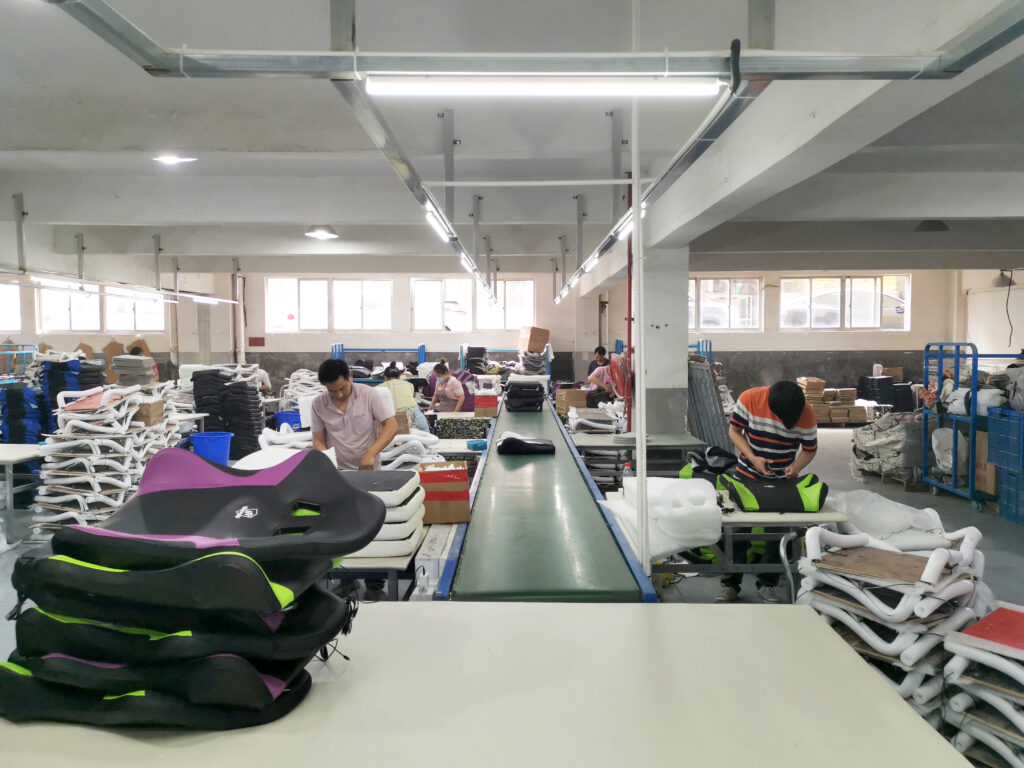
You negotiate prices based on finalized assemblies. They negotiate their survival based on micro-fractions of raw materials. They will always outmaneuver you because they control the supply chain ecosystem at a granular level.
As long as you are playing the game of “trust the salesperson’s PDF,” you are playing Russian Roulette with your company’s capital.
The Ares Protocol: Forensic Supply Chain Defense
I don’t sell chairs. I sell the absolute certainty that what you specified on paper is exactly what is loaded into the container.
I operate as a Shadow Auditor for your B2B sourcing in China. When you deploy me, this is what happens:
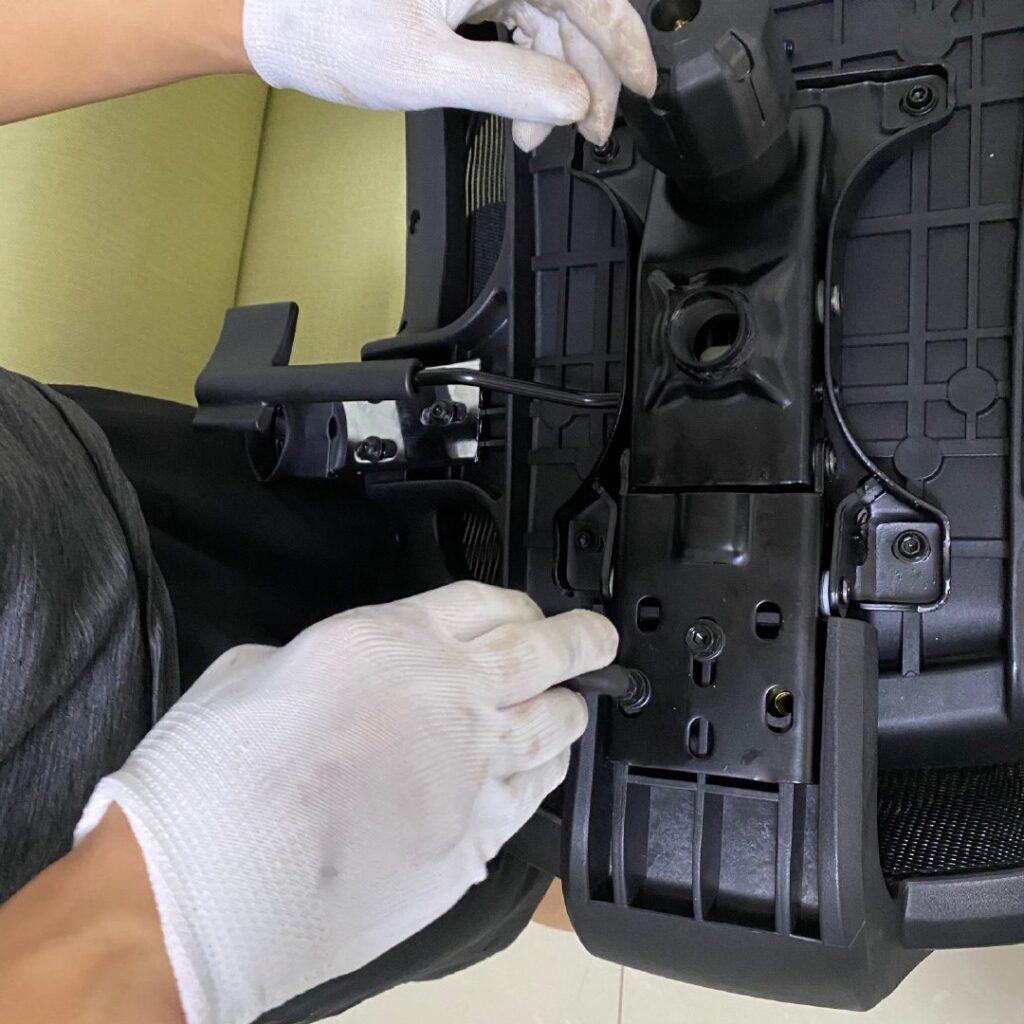
- Supply Chain Decoupling: We break down the BOM (Bill of Materials) atom by atom. We refuse “pre-packaged” factory combinations and direct the sourcing of the gas lift, the mechanism, and the mesh independently.
- Raw Material Interception: We don’t just inspect the finished chair. We inspect the raw PA66 pellets before they enter the injection machine. Once the matrix is formed, no one can cheat.
- Destructive Audit Reporting: We destroy samples from the mass production line. We slice open the foam to check the density. We cut the base to measure the wall thickness. We provide the forensic evidence before you wire the balance payment.
If a factory refuses our audit protocol, we walk away. It means they had something to hide.
Stop Bleeding Margin (The Final CTA)
You can continue treating your Chinese sourcing like a black box, hoping for the best on your next 40HQ container.
Or, you can stop the bleeding.
Are you currently negotiating an order? Send me your factory quote. Be sure to redact the prices. Provide me with just the specifications and the photos.
Within 48 hours, I will conduct a preliminary Vulnerability Diagnosis mapping out the exact 3 areas where that specific factory is likely planning to dilute your quality.
No cost. Total anonymity. Just the brutal truth.