If you are calculating your profit margins based on the FOB price listed on a Proforma Invoice, you are mathematically set up to fail. In the furniture industry, the “unit price” is merely the tip of a very expensive iceberg.
The most common reason for bankruptcy among new furniture importers isn’t a lack of sales—it’s unanticipated financial friction. By the time the container reaches your warehouse, the —ranging from exchange rate “buffers” to predatory port fees—can inflate your landed cost by 20% to 40% beyond your initial spreadsheet. If you haven’t accounted for the “leakage” that happens between the factory floor and your loading dock, you aren’t running a business; you’re running a charity for freight forwarders and customs brokers.
The Insider Truth: Where Your Money Actually Disappears
The furniture industry thrives on complexity. This complexity creates “pockets” where factories and logistics providers hide their extra margins at your expense.
1. The Exchange Rate “Padding”
Most Chinese furniture factories quote in USD. However, they don’t use the spot mid-market rate. To “protect” themselves against currency fluctuations, they bake a 2%–3% buffer into the unit price. If the CNY weakens against the USD, the factory keeps the difference. You are effectively paying a “currency insurance premium” to a supplier who isn’t even an underwriter.
2. The LCL (Less than Container Load) Extortion
If you aren’t shipping full containers (FCL), you are exposed to the “Destination Terminal Handling” trap. Freight forwarders often offer a “Zero Freight” or “Low Freight” rate from China for LCL furniture. They make their profit by charging you $500–$1,500 in arbitrary “Arrival Fees,” “De-consolidation Fees,” and “Warehouse Fees” once the cargo hits your local port. At this point, your goods are held hostage; you either pay the inflated fee or lose the inventory.
3. HS Code Misclassification (The Tariff Time Bomb)
Furniture is a high-scrutiny category. Misclassifying a “wooden office chair” as a “metal chair” to save 3% on duty might work once. But when Customs performs a retroactive audit—which they can do up to 5 years later—the hidden costs include back taxes, interest, and “Fraud/Negligence” penalties that can exceed the total value of the original shipment.

The ROI & Risk Breakdown: Total Cost of Ownership (TCO)
To illustrate the impact of these hidden costs of importing furniture from China, consider a standard order of 200 premium lounge chairs.
| Cost Component | The “Naive” Importer (Assumed) | The “Insider” Importer (Actual TCO) | Financial Leakage Source |
| FOB Unit Price | $20,000 ($100/pc) | $19,400 | 3% Exchange rate padding removed |
| Ocean Freight | $2,500 | $2,500 | – |
| Local Port Charges | $450 | $450 | – |
| Hidden “Arrival Fees” | $1,200 | $0 | Predatory forwarder markups avoided |
| Tariff / Duty (e.g. 10%) | $2,000 | $2,000 | – |
| Defect/Repair Cost | $1,500 (5% defect rate) | $200 (Pre-shipment repair) | Cost of “replacing” faulty units locally |
| Customs Bond/Legal | $500 | $500 | – |
| Total Landed Cost | $28,150 | $25,050 | $3,100 Difference (11% Margin) |
In this scenario, the naive importer loses $3,100 per shipment simply because they didn’t know where the leaks were. For a business doing 10 containers a year, that is $31,000 in lost net profit.
The Defense: How We Plug the Leaks
We don’t sell furniture. We manage the “Financial Firewall” for buyers who realize that a $100 chair is useless if it costs $160 to land.
- Currency Transparency: We force suppliers to quote in CNY (Renminbi) and use real-time spot rates for conversion, or we negotiate USD contracts with “Currency Adjustment Factors” (CAF) that protect the buyer, not just the factory.
- Logistics Audit: We veto any “Free Freight” or “CIF” terms offered by factories. We control the routing through vetted carriers with pre-negotiated, all-in destination rates. If a fee isn’t on our initial quote, it doesn’t get paid.
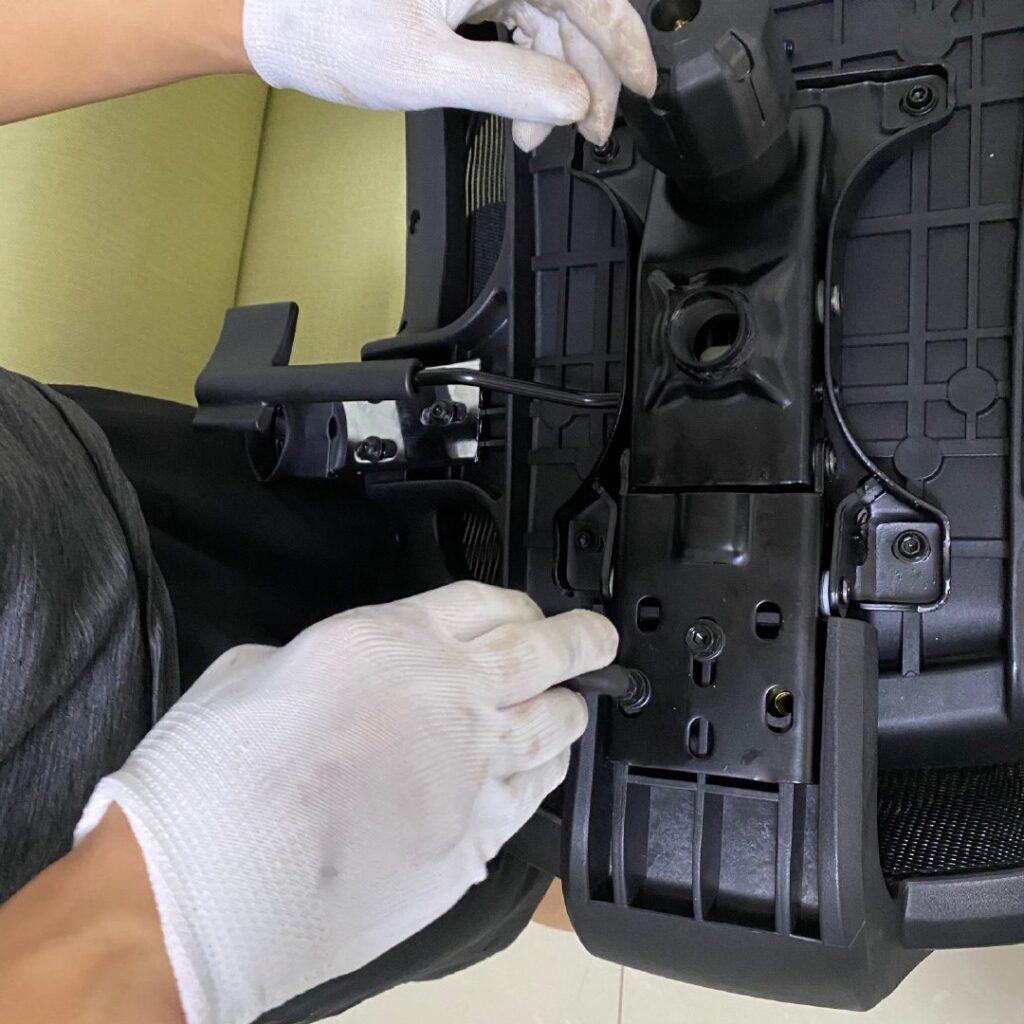
- Component-Level Inspection: We inspect furniture at the white-body stage (before upholstery/painting). Detecting a structural crack in a chair frame while it’s still in the factory costs $0 to fix. Detecting it in your warehouse costs you the full retail value of the chair plus disposal fees.
Audit Your Landed Cost Before You Import
Most importers realize they are losing money only after the final invoice from the clearing agent arrives. At that point, the “hidden costs” are already sunk.
If you have a Proforma Invoice (PI) from a Chinese supplier, we can perform a Landed Cost Sensitivity Analysis for you. We will identify the specific tariff risks, exchange rate buffers, and port-side traps hidden in your current deal.