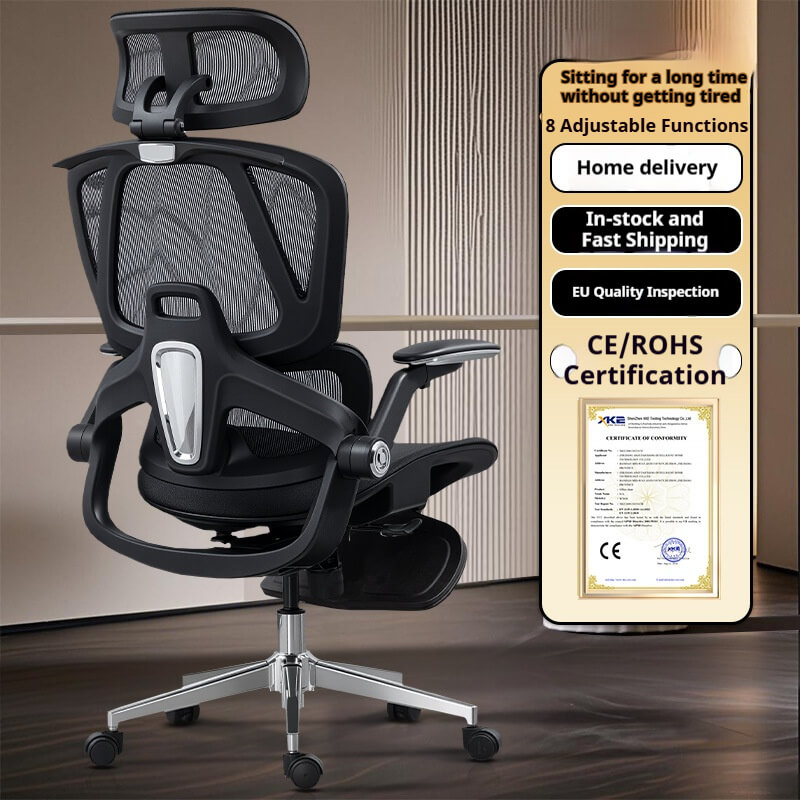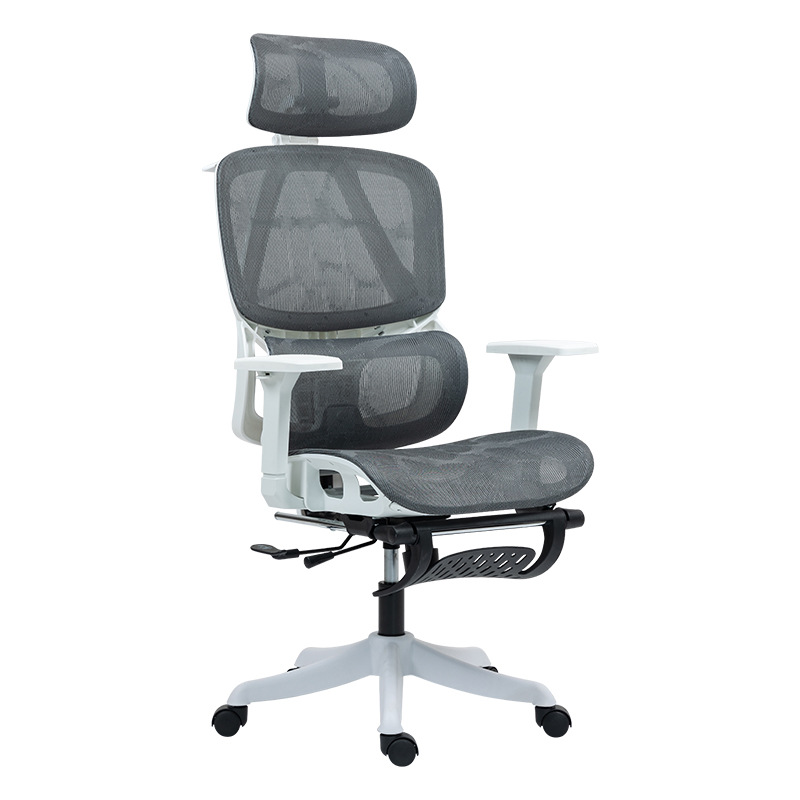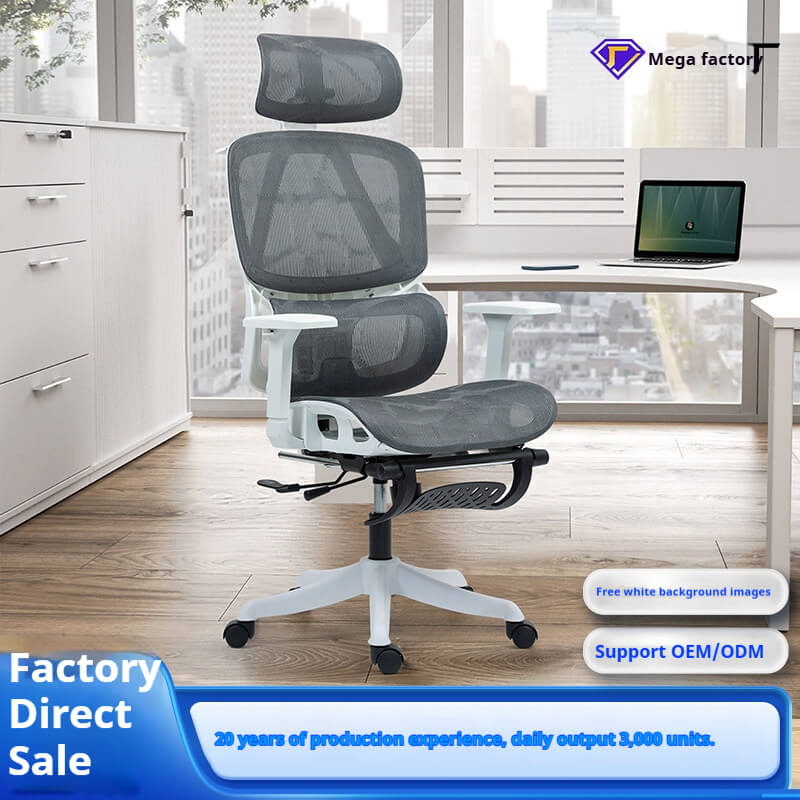
(Introduction) Beyond the Catalog: Why “Good” Isn’t Good Enough for Business
When procurement managers search for “good office chair” or “best office chair for long hours,” they’re not just looking for a product—they’re seeking a solution to a complex business problem. The real question behind these searches is: “How do we equip our team with seating that safeguards our most valuable asset (our people) while optimizing our financial investment?”
This guide moves beyond consumer reviews and marketing claims. We analyze the hidden costs, productivity metrics, and strategic frameworks that define a truly successful office chair investment for a growing business.
(Section 1) The Hidden Business Impact: What “Back Pain” and “Long Hours” Really Mean on Your P&L
Choosing chairs based solely on upfront cost is a strategic error. The consequences of poor ergonomics translate directly into measurable business outcomes:
- The Presenteeism Tax: Employees in discomfort are at work but not fully functional. Studies, such as those cited in the Journal of Occupational and Environmental Medicine, link musculoskeletal issues (often exacerbated by poor seating) to significant reductions in cognitive performance and task efficiency. This “presenteeism” can cost businesses up to 3 times more than absenteeism.
- The Turnover Multiplier: In a competitive talent market, workplace well-being is a retention tool. Providing high-quality, supportive seating is a tangible demonstration of investment in employee health. Neglecting this can contribute to higher recruitment and training costs.
- The Healthcare Cost Spiral: While more indirect, contributing to a culture of physical well-being can influence long-term health outcomes and associated insurance costs.
Key Takeaway: The search for a chair that addresses back painand long hoursis, in a business context, a search for a tool to mitigate productivity loss, boost retention, and promote a culture of health.
(Section 2) The B2B Procurement Trap: Decoding “Adjustable,” “Mesh,” and “Budget”
For B2B buyers, common product features represent different value propositions:
- “Adjustable Office Chair” = Simplified Configuration Management: True adjustability (seat depth, 4D armrests, dynamic lumbar) isn’t a luxury; it’s a scalability feature. It allows one chair model to fit a wider percentile of your workforce, simplifying inventory, procurement, and ergonomic compliance.
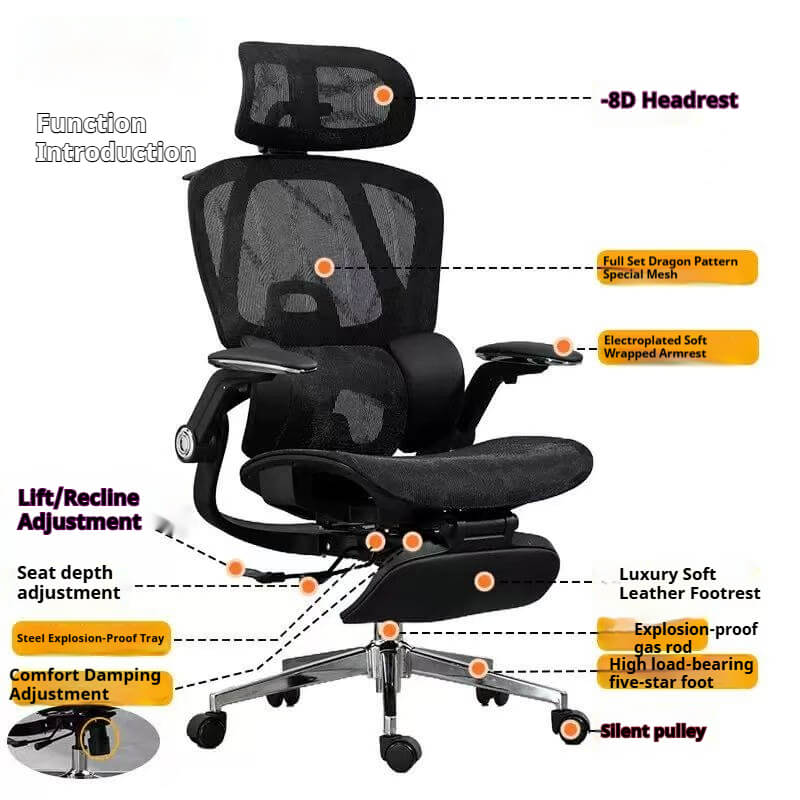
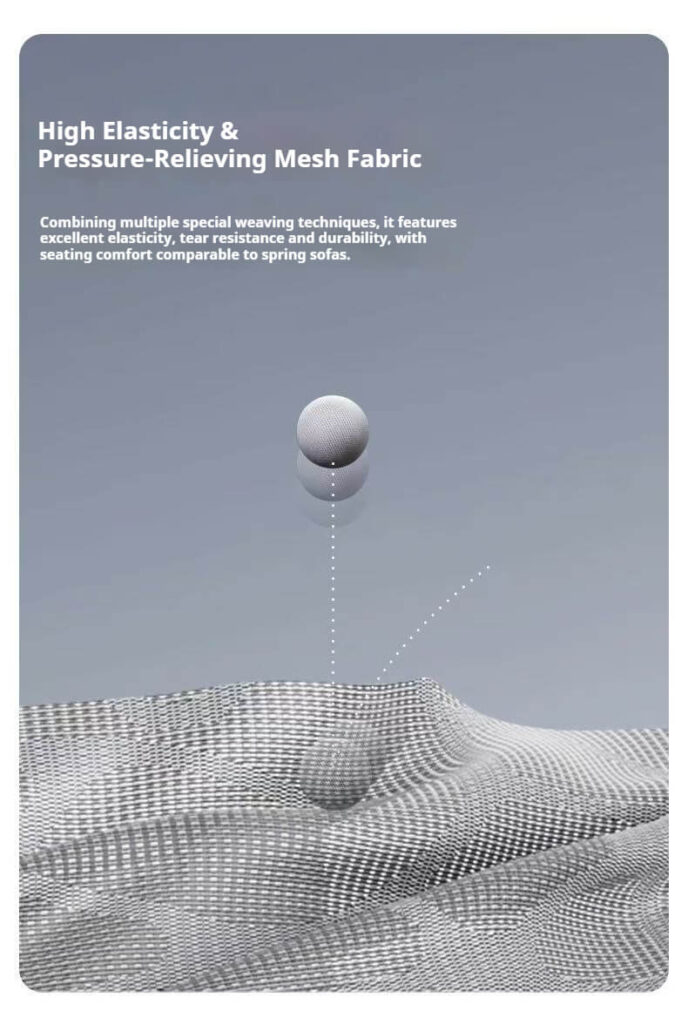
- “Mesh Office Chair” = Durability & Climate Control: In a business setting, breathable mesh isn’t just about comfort; it’s about hygiene and material longevity. It withstands years of use better than degraded foam, maintains a professional appearance, and improves comfort in shared or climate-variable environments.
- “Budget Office Chair” = Understanding Total Cost of Ownership (TCO): The cheapest invoice price often carries the highest long-term cost. A true “budget” option for business is defined by commercial-grade durability (BIFMA certification is key), repairability, and a clear warranty that minimizes downtime and replacement cycles. Calculate cost per seat per year, not just the initial purchase.
Key Takeaway: In a B2B context, product features must be evaluated through the lenses of scalability, long-term asset management, and total lifecycle cost.
(Section 3) The Strategic Framework: From Product Search to Procurement Solution
Shifting from transactional buying to strategic procurement requires a clear framework. Here’s how to structure your evaluation:
- Conduct a Role-Based Needs Analysis: Don’t buy chairs by department. Map the physical demands and work patterns by role (e.g., focused developer vs. collaborative manager). This forms the blueprint for a tiered seating strategy.
- Audit for Logistics & Scalability: Consider packaging efficiency, assembly time, and modularity. A product line with uniform carton sizes can drastically simplify warehousing and reduce shipping costs for bulk orders and future expansions.
- Demand Commercial-Grade Transparency: Partner with suppliers who provide clear data: weight capacity tested to BIFMA standards, warranty terms on mechanisms, and availability of replacement parts. This transparency separates commodity sellers from long-term partners.
- Plan for the Entire Lifecycle: Factor in the ease of cleaning, maintenance, and eventual responsible disposal or refurbishment. A sustainable procurement strategy is increasingly a business imperative.
(Conclusion) Investing in Performance, Not Just Furniture
The most forward-thinking companies no longer view office chairs as a simple expense. They recognize them as critical components of their human infrastructure—a direct investment in employee focus, well-being, and sustained performance.
The next step isn’t to search for a single “best” chair. It’s to audit your current seating against the roles it serves and build a business case centered on productivity, TCO, and strategic scalability.
Start Your Audit: What percentage of your team’s chairs are appropriately matched to their daily tasks and physical needs? The gap you identify is the first step toward a more intelligent investment.