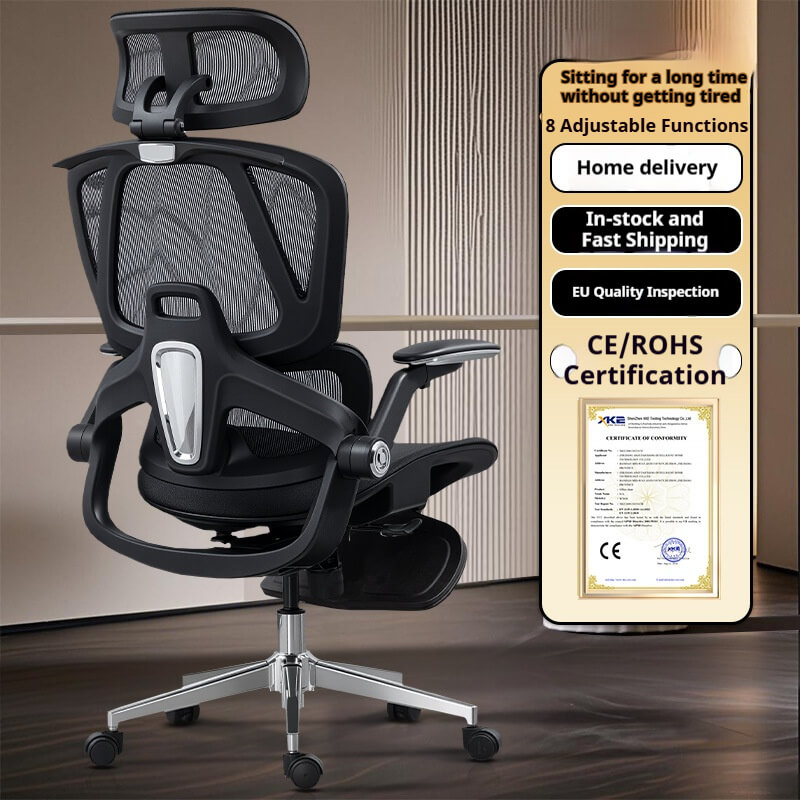
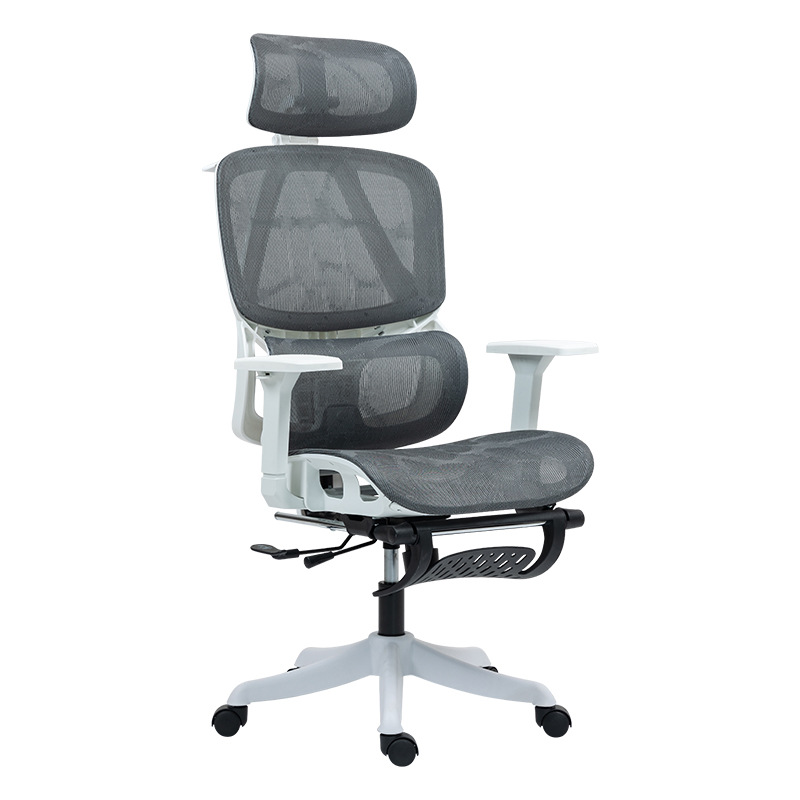
In the competitive landscape of global furniture procurement, Quality Control (QC) is often viewed as a “necessary tax.” For many importers, ensuring that a container of ergonomic office chairs meets BIFMA or SGS standards involves hiring third-party inspection firms—a process that is both costly and reactive.
However, a shift is occurring among industry leaders. Data suggests that by transitioning from traditional third-party inspections to a dedicated on-site sourcing partner, businesses can reduce their total quality-related expenditures by an average of 20%.
Here is an objective analysis of how proximity and technical expertise transform the cost structure of international procurement.
1. Shifting from Detection to Prevention: The “Catch-It-Early” Effect
The most significant hidden cost in procurement isn’t the inspection fee itself; it is the cost of failure. A traditional third-party inspector typically arrives at the factory when 80% of the order is already packed. If a defect is found—such as the wrong tension in a mesh backrest or an incorrect finish on a nylon base—the options are limited and expensive:
- Reworking the entire batch (leading to significant shipping delays).
- Accepting sub-par goods (leading to brand damage and high return rates).
An on-site sourcing partner operates at the “pre-production” and “in-line” phases. By verifying raw materials and the first off-tool samples before mass production begins, errors are corrected when the cost of change is nearly zero. This prevention-first approach eliminates the “re-inspection fees” that often plague importers.

2. Eliminating the “Third-Party Overhead”
For a standard procurement project involving multiple factories in hubs like Heze or Foshan, the logistical costs of quality control escalate quickly. Traditional inspection firms charge:
- Daily Man-Day Rates: Ranging from $300 to $500.
- Travel and Accommodation Expenses: Often billed separately.
- Administrative Fees: For report generation and coordination.
A local sourcing partner, such as Heze Zechu Trading Co., Ltd., eliminates these per-visit overheads. Because the partner has a permanent legal presence in the manufacturing hub, travel costs are eradicated. More importantly, the partner manages multiple product lines simultaneously, consolidating the “man-day” cost across the entire supply chain.
3. Technical Expertise vs. Checklist Compliance
Third-party inspectors are often generalists. They follow a generic AQL (Acceptable Quality Level) checklist but may lack the 15-year technical depth required to identify subtle engineering flaws in complex furniture.
A specialized sourcing partner understands the internal anatomy of an office chair. They don’t just check for scratches; they verify the Class 4 gas lift’s origin, the chassis’s structural integrity, and the density of the molded foam. This technical authority ensures that products don’t just “pass the test” but actually “last the 3-year warranty period,” drastically reducing long-term after-sales and replacement costs.

4. Reducing “Information Asymmetry” Risks
In international trade, information is currency. When a buyer is 5,000 miles away, factories may prioritize other orders or substitute components to save on their own margins.
An on-site partner serves as the “Middle Pillar” (中流砥柱) of the relationship. By providing real-time photo and video updates, they ensure that the factory remains accountable. This constant presence acts as a psychological deterrent against “quality fading,” a common issue where product quality gradually diminishes over subsequent orders.
5. Verification through Transparency: The Legal Advantage
Trust in a sourcing partner is anchored in their legal standing. Professional entities in China, like Heze Zechu, provide full transparency by sharing their official business licenses and social credit codes.
For the buyer, this provides a layer of security that a freelance inspector cannot offer. Knowing that the partner is a fully registered, 500,000 RMB capitalized entity provides the legal recourse and peace of mind necessary for high-value transactions.

Conclusion: The ROI of Proximity
Reducing QC costs by 20% is not about cutting corners; it is about optimizing where the oversight happens. By investing in an on-site sourcing partner, importers move from a model of detecting problems to a model of guaranteeing excellence.
In the long run, the most expensive quality control is the one that happens too late. For brands aiming for market leadership, having an expert hand on the ground in China is no longer an option—it is a competitive necessity.