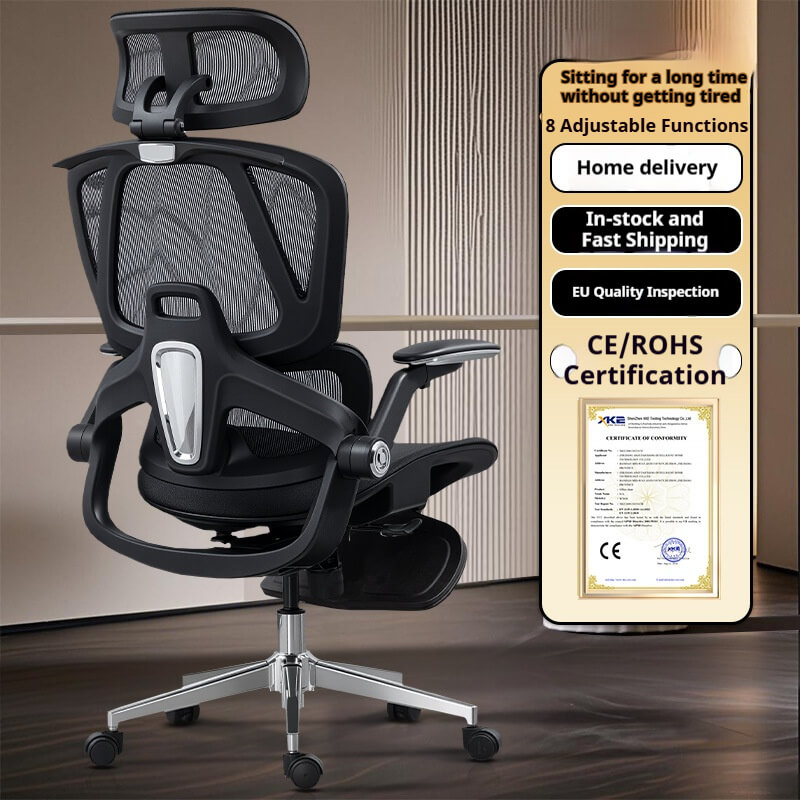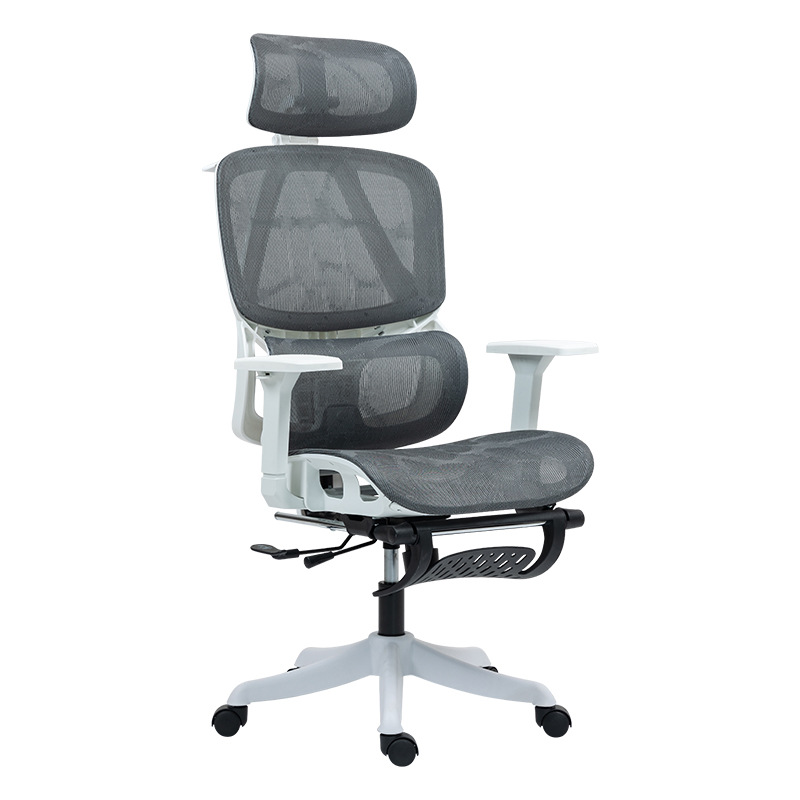
You just wired the final balance for a 40HQ container of ergonomic mesh chairs to a supplier in Guangdong. You projected a healthy 40% net margin based on their FOB price and standard freight quotes. Six weeks later, the goods arrive at Los Angeles or Rotterdam, and Customs hits you with a tax bill that instantly vaporizes your entire profit margin—and then some.
The most catastrophic mistake new buyers make in the US and EU markets is treating the as a minor, fixed administrative fee.
In reality, because of U.S. Section 301 tariffs and strict EU trade regulations, customs duties are the single most volatile variable in your supply chain. If you rely on a Chinese factory or a budget freight forwarder to classify your goods, you are blindly handing a blank check to U.S. Customs and Border Protection (CBP) or European Customs authorities.
The Insider Truth: The “HS Code Roulette” and Illegal Shortcuts
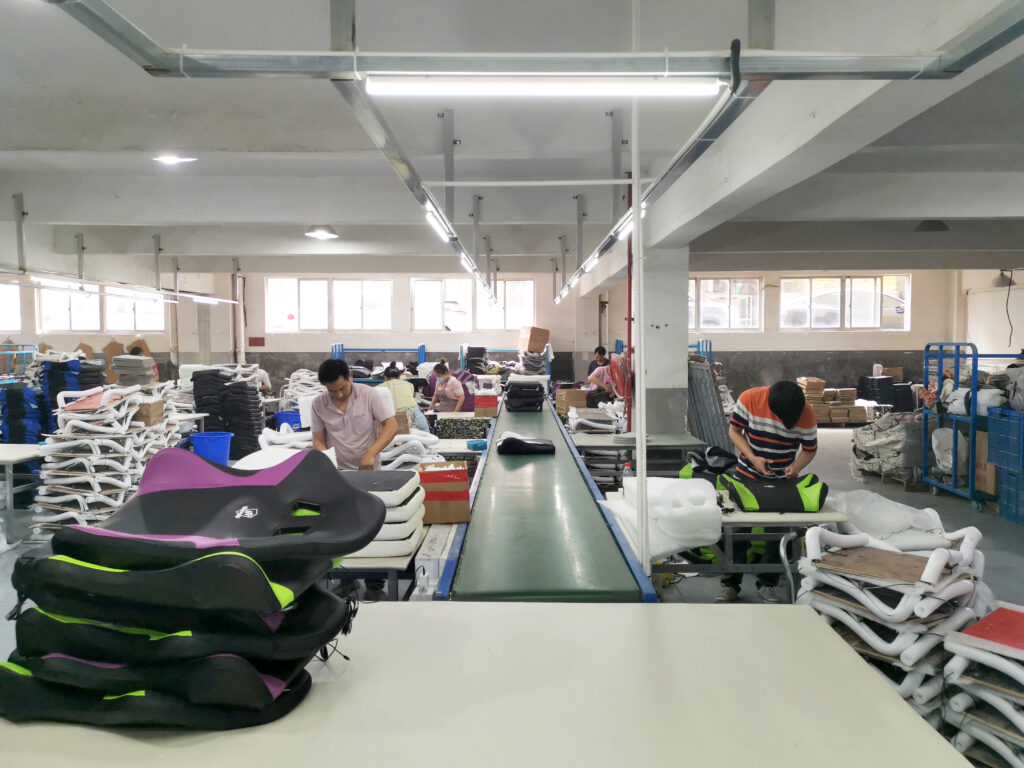
As your supply chain audit partner in China, we see exactly how the origin side operates. The truth is brutal: Chinese factories do not care about your import duties.
1. The Export Rebate Conflict of Interest
When a factory generates the Commercial Invoice (CI), they assign an HS (Harmonized System) Code to your chairs. They do not choose this code to minimize your U.S. or EU import duty. They choose the code that maximizes their Chinese export tax rebate (often 13%). A code that earns them a maximum rebate in China might inadvertently trigger a punitive 25% tariff bracket when the goods enter the US. The factory gets paid; you get taxed.
2. The Trap of Generic Classification (9401 Series)
Office furniture falls under heading 9401. But the subheadings matter immensely. Is the chair primarily upholstered? Does it have a metal frame or a plastic frame? Is it height-adjustable? A lazy forwarder will slap a generic code like 9401.39.00 on the manifest. In the US, this negligence can automatically trigger the full force of Section 301 tariffs, turning a standard 0% to 5% duty into a crushing 25% to 30% tax liability.
3. The “Vietnam/Malaysia” Transshipment Crime
When you complain to the factory about high tariffs, their salesperson will inevitably suggest a “workaround”: “We can ship the parts to Malaysia or Vietnam, put them in a box there, and issue a Southeast Asian Certificate of Origin to avoid the China tariff.” This is illegal. It is classified as Transshipment and Customs Fraud. When U.S. or EU customs perform a supply chain audit and discover the major value-add occurred in China, the factory faces zero consequences. You, as the Importer of Record, will face cargo seizure, retroactive tax bills going back up to five years, and potential federal prosecution.
The ROI & Risk Breakdown: The True Cost of Non-Compliance
Let’s run the math on a commercial order of 1,000 height-adjustable office chairs (FOB China Price: $60/unit. Total Cargo Value: $60,000) entering the United States.
We will compare three scenarios: The Lazy Importer (blindly trusting the factory), The Smuggler (attempting illegal transshipment), and The Compliant Importer (using legal Tariff Engineering and precise BOM auditing).
| Cost / Risk Item | Scenario A: The Lazy Importer | Scenario B: The Smuggler (Transshipment) | Scenario C: The Compliant Partner |
| Cargo Value (1,000 units) | $60,000 | $60,000 | $60,000 |
| Base Import Duty | $0 to $3,000 (Generic) | $0 (Falsified Origin) | $0 (Specific Zero-Duty Subheading) |
| Section 301 Tariff (US) | $15,000 (25% default) | $0 (Temporarily evaded) | $0 to $15,000 (Accurately forecasted/engineered) |
| Customs Penalty Risk | $5,000+ (Misclassification audit) | $240,000+ (4x Value for Fraud) + Cargo Seized | $0 (Pre-cleared via Customs Ruling) |
| Supply Chain Disruption | High (Flagged for random inspection) | Critical (Blacklisted Importer ID) | Zero (Green-lit compliance) |
| Actual TCO (Landed Cost) | $78,000+ | Catastrophic Legal Liability | $60,000 to $75,000 (No Surprises) |
As the table shows, failing to actively manage the doesn’t just erode your margins; it introduces existential legal risk to your corporate entity.
The Defense: Legal Tariff Engineering & BOM Audits
We do not offer “workarounds.” We offer bulletproof compliance and structural cost reduction. Before your factory even purchases the raw materials, we intervene on the ground:
- Bill of Materials (BOM) Deconstruction: We analyze the exact weight, material composition, and value of every component of the chair. If changing a structural bracket from steel to heavy-duty nylon shifts the “essential character” of the chair—and legally moves it to a lower-tariff HS code in the EU or US—we force the factory to make that engineering change before mass production begins.
- Controlling the Commercial Invoice: We do not allow the factory to draft your final export documents. Our trade compliance team dictates the precise 10-digit HS code that must appear on the CI and Packing List, ensuring it perfectly aligns with your destination customs broker’s declarations.
- Binding Rulings Support: For complex, high-value container volumes, we compile the necessary factory production evidence (photos, material certificates, assembly videos) so your local broker can apply for a U.S. CBP Customs Ruling or an EU Binding Tariff Information (BTI) decision. This legally locks in your tariff rate, making you immune to arbitrary border reclassifications.
Stop Guessing Your Tax Liability
If you are about to finalize a Purchase Order, or if your current landed costs seem inexplicably high compared to your competitors, your customs documentation is likely bleeding money.
Do not wait until the vessel is on the water to find out what your tax bill will be.