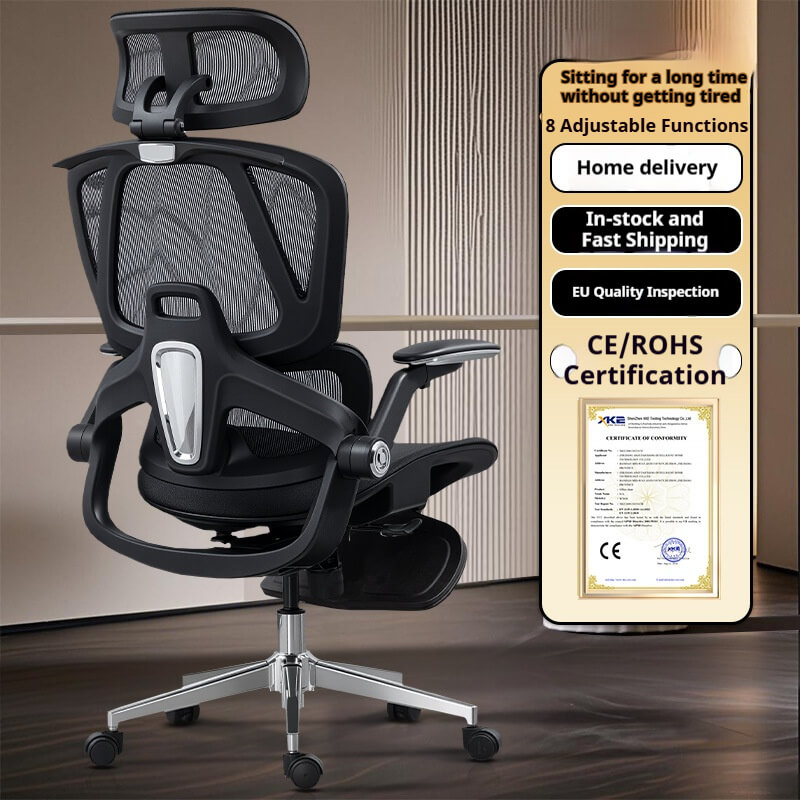
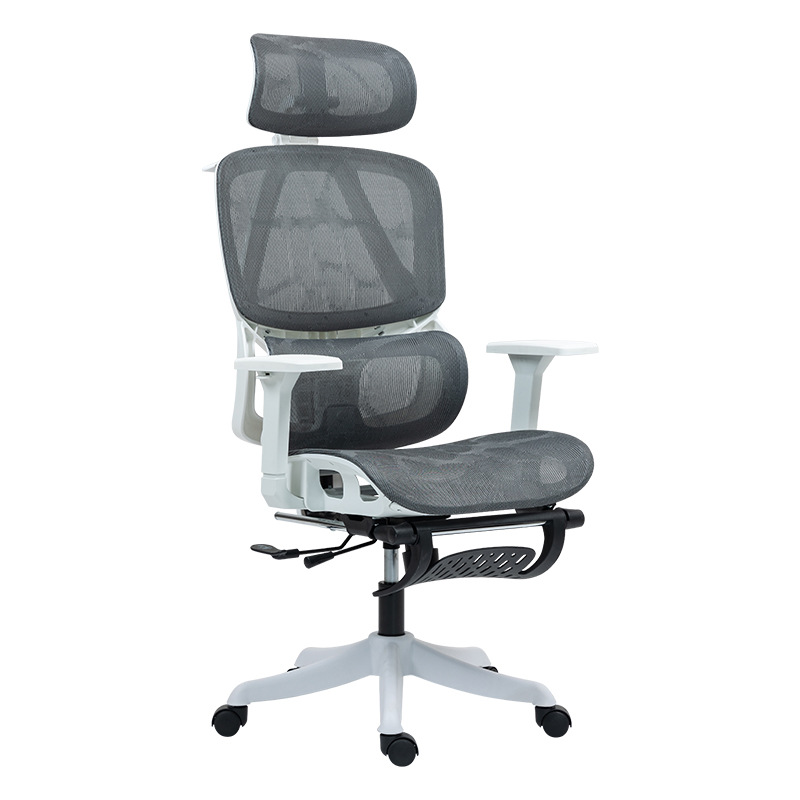
Introduction: When a Good Office Chair Becomes Impossible to Repair
Many commercial office chairs are designed to last for years. However, even high-quality chairs eventually face a common problem: a small component fails, but the original replacement part is no longer available.
The chair itself may still be functional. The frame is strong. The mechanism works. The upholstery is acceptable.
But a broken armrest, damaged tilt mechanism, cracked base, or missing component can make the entire chair unusable.
This is the challenge faced by many office furniture refurbishers, facility managers, and commercial seating companies:
How do you find replacement parts for discontinued office chairs when the original manufacturer no longer supplies them?
The answer is not always buying a new chair.
In many cases, reverse engineering and custom replacement part manufacturing provide a practical solution.

Why Discontinued Office Chair Parts Are Difficult to Find
Unlike common consumer products, office chairs often contain many customized components:
- Armrest assemblies
- Tilt mechanisms
- Seat plates
- Gas lift systems
- Chair bases
- Plastic covers
- Structural brackets
- Mounting components
Many of these parts are produced specifically for a chair model and may never be sold separately.
After several years, companies may:
- discontinue the chair model
- change suppliers
- stop producing original molds
- remove spare parts from inventory
As a result, searching for an exact replacement part online often leads nowhere.
Common Problems With Old Office Chair Replacement Parts
1. The Original Part Has Been Discontinued
A chair model from 5–10 years ago may still be widely used in offices, but the manufacturer may no longer support replacement components.
This creates a gap between product lifespan and parts availability.
2. The Replacement Part Is Not Publicly Available
Many office chair components were never sold through retail channels.
They were originally supplied only through:
- OEM production channels
- authorized repair networks
- furniture distributors
Once those channels disappear, finding the component becomes extremely difficult.
3. Small Differences Can Prevent Compatibility
Office chair components require precise matching.
A replacement part must consider:
- mounting dimensions
- hole positions
- material strength
- mechanical movement
- load requirements
- connection interfaces
A visually similar component may not function correctly.
What Is Reverse Engineering for Office Chair Parts?
Reverse engineering is the process of recreating a component by analyzing an existing physical part.
Instead of relying on unavailable original drawings, engineers rebuild the part from the actual product.
The typical process includes:
Step 1: Component Identification
The original part is inspected to determine:
- function
- structure
- connection method
- material type
- manufacturing method
Step 2: Measurement and Digital Reconstruction
The component is measured and converted into production-ready CAD data.
Depending on complexity, the process may include:
- dimensional measurement
- 3D scanning
- CAD modeling
- tolerance analysis
Step 3: Prototype Development
Before mass production, prototypes can be created to verify:
- fit
- movement
- strength
- compatibility
This reduces the risk of producing incorrect parts.
Step 4: Manufacturing and Supply
After validation, replacement components can be produced through qualified manufacturing partners.
Production methods may include:
- injection molding
- CNC machining
- die casting
- metal fabrication
What Types of Office Chair Replacement Parts Can Be Recreated?
Reverse engineering can be applied to many office chair components.
Office Chair Armrest Replacement Parts
Armrests are among the most frequently damaged components.
Common issues:
- broken adjustment mechanisms
- cracked pads
- unavailable models
- damaged mounting brackets
Custom recreation can restore compatibility without replacing the entire chair.
Office Chair Mechanism Replacement Parts
Chair mechanisms are complex because they involve:
- load-bearing structures
- moving parts
- locking systems
A replacement mechanism requires careful analysis to ensure safety and function.
Office Chair Base and Structural Components
Common replacement needs include:
- five-star bases
- brackets
- supports
- mounting plates
These components often determine whether a chair can safely continue operating.
Why Reverse Engineering Is Better Than Replacing Entire Chairs
For companies managing hundreds or thousands of office chairs, replacement is often expensive and unnecessary.
Custom replacement parts can provide:
Lower Total Cost
Repairing existing seating assets can be significantly more economical than purchasing new furniture.
Reduced Waste
Keeping functional chairs in service supports sustainability goals.
Extended Product Lifespan
A single replacement component can extend a chair’s useful life by many years.
Better Inventory Management
Furniture refurbishers and service companies can support more customers without depending on discontinued manufacturer parts.
Who Needs Custom Office Chair Replacement Parts?
This solution is especially valuable for:
Office Furniture Refurbishment Companies
Companies restoring used office furniture often encounter discontinued components.
Corporate Facility Management Providers
Large organizations may have thousands of chairs requiring maintenance.
Office Furniture Dealers
Dealers need reliable replacement sources to support customers after purchase.
Seating Brands and Manufacturers
Brands may require second-source suppliers or replacement solutions for older models.
How to Request a Replacement Part Evaluation
If you have a discontinued office chair component, the evaluation process usually starts with basic information:
- Photos of the damaged part
- Chair brand and model (if available)
- Required quantity
- Application environment
- Any available drawings or specifications
From there, engineers can determine whether the component can be recreated.
The Future of Office Chair Repair: From Replacement to Recovery
The future of commercial seating is not only about producing new chairs.
It is also about extending the life of existing products.
As more companies focus on sustainability, circular economy practices, and asset optimization, the demand for discontinued office chair parts and reverse engineering solutions will continue to grow.
A broken component does not always mean a broken chair.