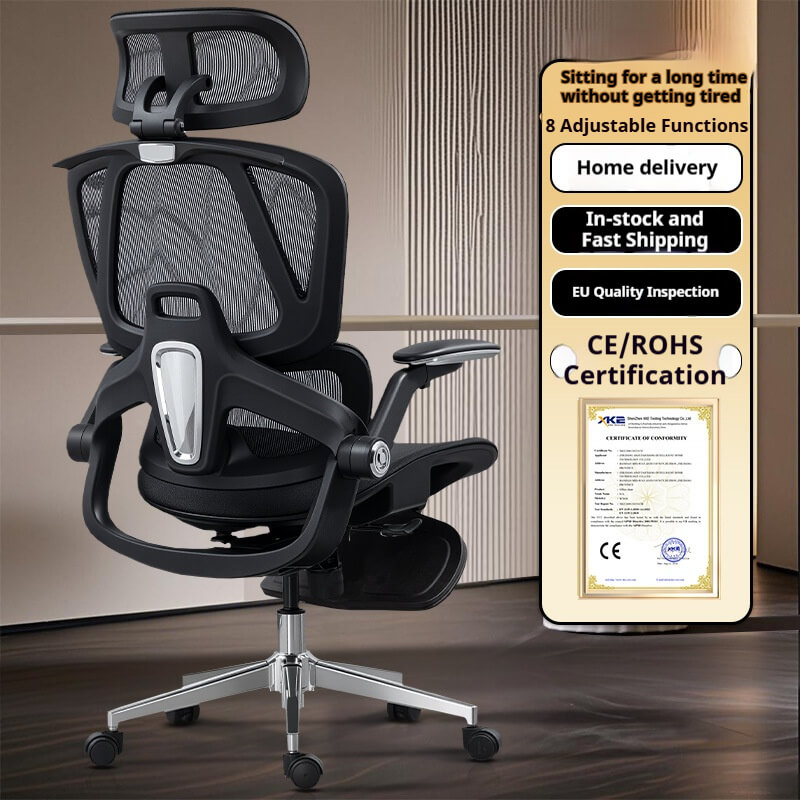
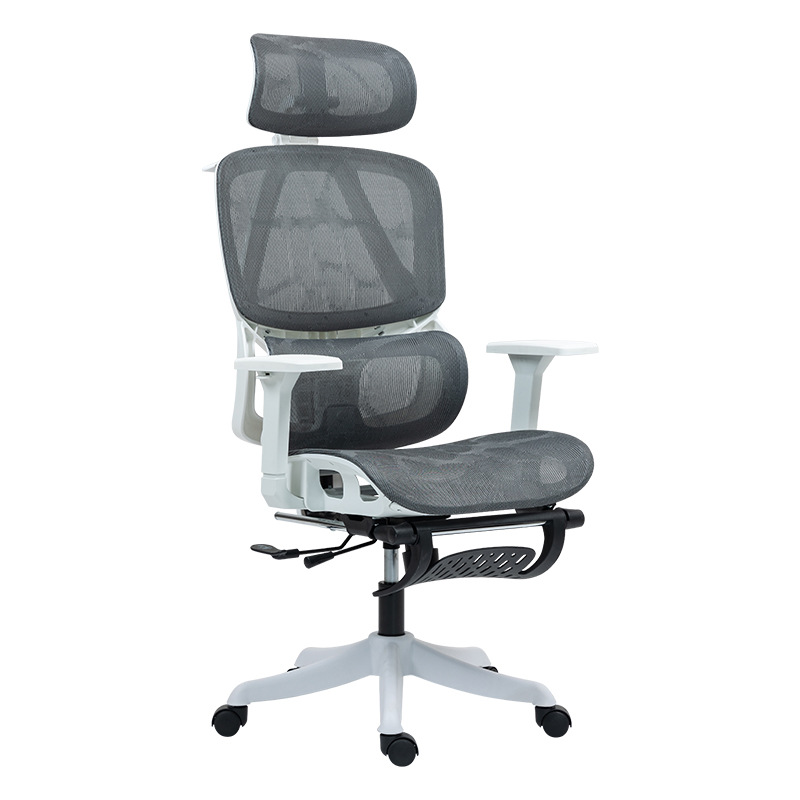
The office furniture refurbishment industry is growing rapidly as companies look for more sustainable alternatives to buying new furniture.
For office chair refurbishers, the opportunity is significant. High-quality ergonomic chairs often retain considerable value even after years of use.
However, many refurbishment companies face the same challenge:
How can they restore more chairs while controlling repair costs?
The answer often comes down to improving the replacement component supply chain.
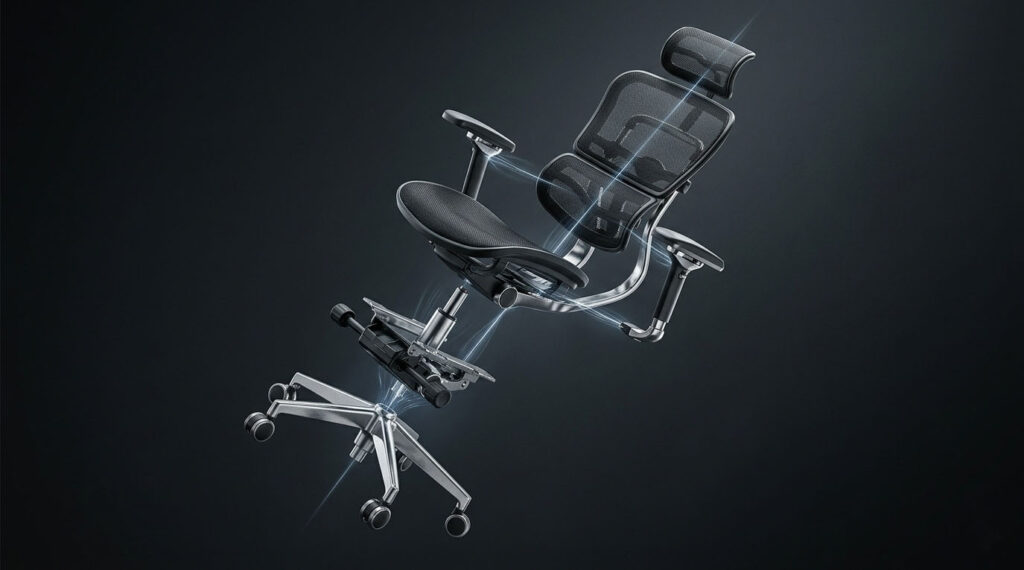
The Hidden Cost Problem in Office Chair Refurbishment
A used office chair may appear inexpensive to acquire, but the real cost comes during restoration.
Common expenses include:
- Labor for inspection and repair
- Replacement components
- Inventory storage
- Unrepairable chairs
- Delays caused by unavailable parts
For companies processing hundreds or thousands of chairs, small inefficiencies can significantly reduce profit margins.
Why Replacement Parts Are Critical for Refurbishment Businesses
The profitability of a refurbished chair depends on whether it can be restored efficiently.
A premium ergonomic chair may lose significant resale value because of:
- broken arm assemblies
- damaged plastic components
- missing covers
- unavailable adjustment parts
- discontinued mechanisms
Without replacement solutions, refurbishers may have to:
- sell chairs as-is
- use incomplete parts from donor chairs
- discard otherwise valuable products

The Challenge of OEM Replacement Parts
Many popular office chair brands have models that remain valuable long after production changes.
However:
- original parts may no longer be manufactured
- suppliers may stop supporting older models
- replacement inventory may become expensive
This creates a gap between:
and
available repair components
How Reverse Engineering Helps Chair Refurbishers
Reverse engineering allows refurbishment companies to reproduce difficult-to-source components.
The process includes:
Component Analysis
Engineers evaluate:
- original dimensions
- connection methods
- material requirements
- mechanical functions
Digital Reconstruction
Using CAD modeling and 3D scanning, replacement components can be recreated accurately.
Production
Depending on requirements, components can be manufactured through:
- CNC machining
- injection molding
- plastic fabrication
- metal manufacturing
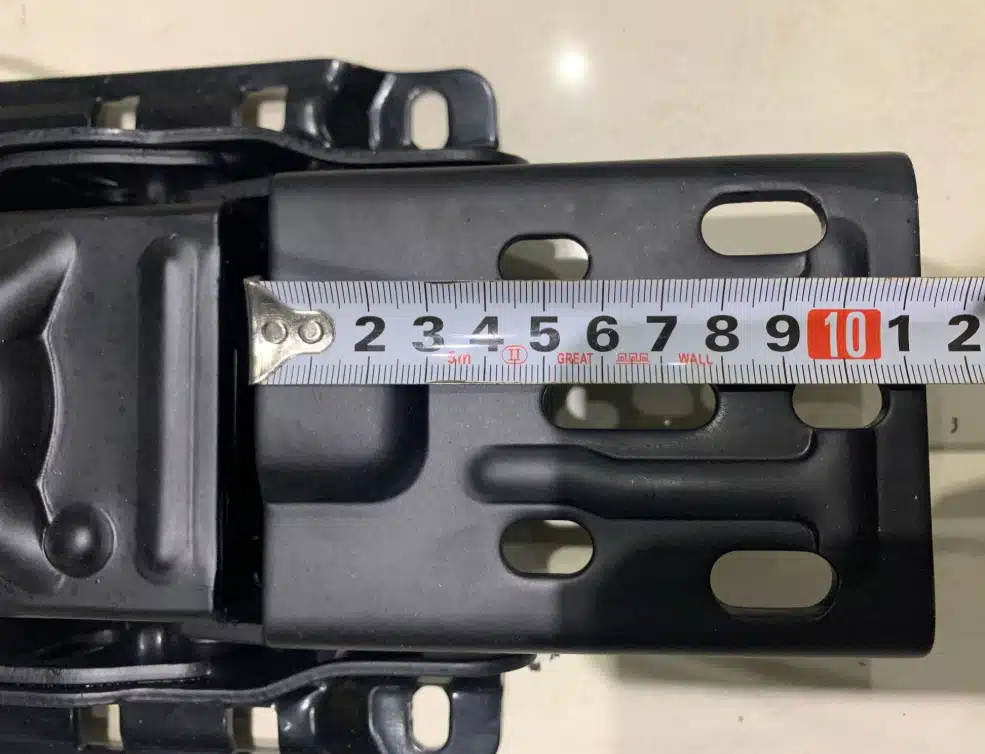
How Custom Components Improve Refurbishment Efficiency
A reliable custom component supplier allows refurbishers to:
Restore More Inventory
Instead of rejecting chairs because of missing parts, more inventory becomes sellable.
Reduce Dependence on Donor Chairs
Many refurbishers rely on damaged chairs for replacement components.
Custom manufacturing creates a more stable supply.
Support Older Premium Models
High-end chairs often have strong resale demand even after many years.
Building a Better Supply Chain for Office Chair Remanufacturing
Successful refurbishment companies usually focus on three areas:
- Efficient inspection processes
- Reliable repair components
- Consistent production quality
A strong replacement component partner helps maintain predictable restoration costs.

Conclusion
For office chair refurbishers, growth is not only about finding more used chairs.
It is about improving the ability to restore those chairs profitably.