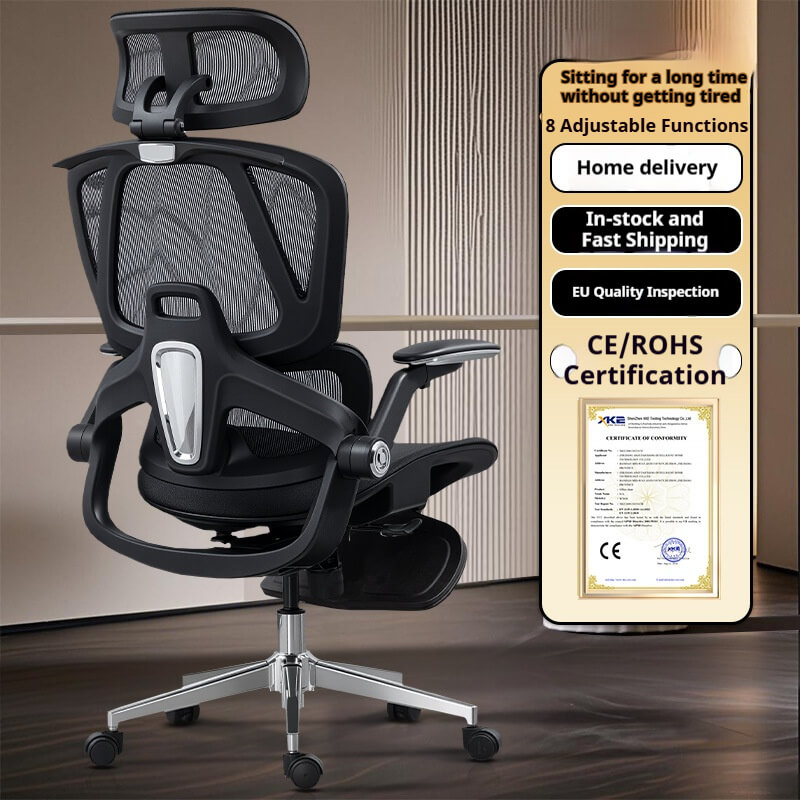
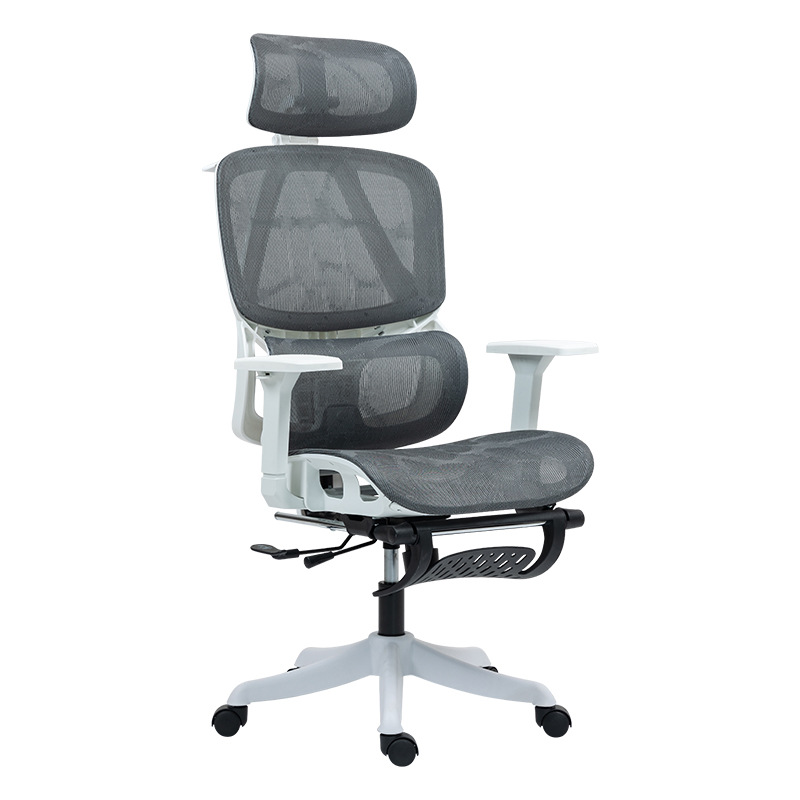
The Biggest Cost in Office Furniture Is Not Buying — It Is Losing Recoverable Value
When companies evaluate office furniture costs, they usually focus on one number:
The purchase price.
A company buys 500 ergonomic office chairs, uses them for several years, and eventually replaces them.
At that point, most businesses ask:
“How much does it cost to remove these old chairs?”
But the more important question is:
“How much value are we destroying by failing to recover them?”
Premium office furniture is not a disposable product.
A high-quality ergonomic chair may have a useful life far beyond its first owner. The difference between disposal and recovery can represent thousands or even hundreds of thousands of dollars in lost asset value.
For office furniture dealers, remanufacturers, liquidation companies, and asset recovery specialists, the opportunity is not simply repairing old furniture.
The opportunity is:
Increasing the recovery rate of existing furniture assets.
The Hidden ROI Inside Used Office Furniture
Most companies calculate furniture costs using a simple model:
Purchase cost → Usage → Disposal
However, this ignores the remaining economic value after the first lifecycle.
A better model is:
Purchase → Usage → Recovery → Refurbishment → Resale → Extended Lifecycle
This changes the way companies view old furniture.
A used office chair is not necessarily a liability.
It can become:
- resale inventory
- refurbished inventory
- replacement inventory
- sustainable workplace assets
Research and industry examples show that refurbished furniture can significantly reduce procurement costs compared with buying new products. The Ellen MacArthur Foundation highlighted a circular office furniture example where refurbished furniture purchases generated substantial savings compared with new procurement, with reported savings ranging from 40% to 69% in that case study
Why Office Furniture Has Higher Recovery Potential Than Many Products
Not all used products have equal recovery value.
Office furniture has several unique advantages:
1. Durable Product Design
Premium office furniture is designed for long-term commercial use.
Brands such as:
- Herman Miller
- Steelcase
- Haworth
- Knoll
often produce products that remain functional years after their original purchase.
The problem is not always product failure.
The problem is that small issues prevent resale.
2. High Original Purchase Value
A commercial ergonomic chair is not comparable to a low-cost consumer chair.
A single premium chair can represent hundreds or even thousands of dollars in original value.
When hundreds of chairs enter a liquidation project, the total asset value can become significant.
3. Strong Secondary Market Demand
Many companies, startups, universities, and organizations actively seek used office furniture because refurbished products can provide significant cost advantages.
This creates an opportunity:
Furniture that one company no longer needs can become valuable inventory for another company.
The Real ROI Formula of Furniture Recovery
The return on investment of remanufacturing is not only the repair cost.
The calculation should include:
Additional recovered revenue
Reduced disposal costs
Increased inventory availability
Sustainability value
Refurbishment investment
=total Recovery ROI
For example:
A company receives 1,000 used ergonomic chairs.
Assume:
- 700 chairs can be resold immediately
- 200 chairs require minor refurbishment
- 100 chairs are considered difficult cases
Without recovery:
100 chairs may become low-value inventory or waste.
With better restoration capability:
Those same chairs may become additional revenue-generating assets.
The value difference is not created by producing new furniture.
It is created by recovering value that already existed.

The Small Component Problem: Why Minor Parts Create Major Financial Losses
One of the biggest barriers in furniture recovery is often not major damage.
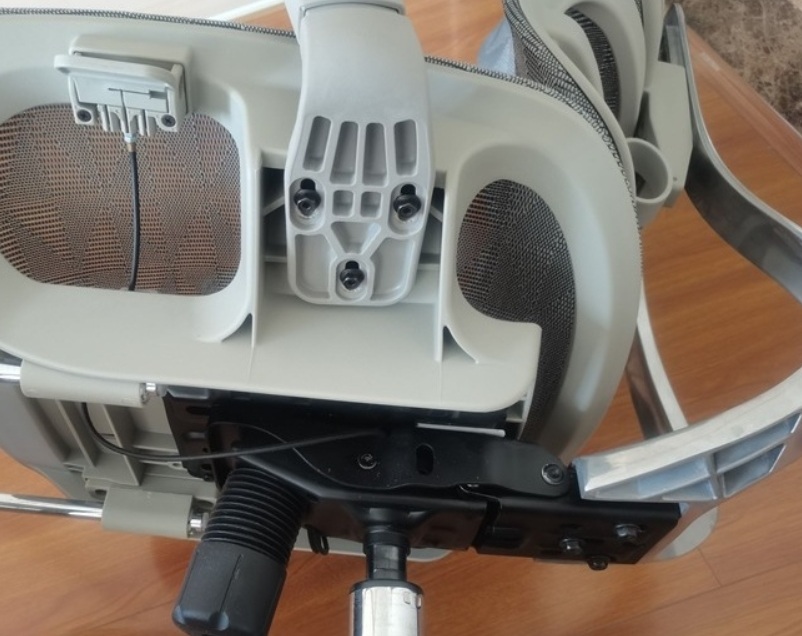
It is small missing components.
Examples:
- arm pads
- plastic covers
- seat components
- adjustment handles
- trim pieces
- replacement housings
A chair may be structurally excellent but impossible to sell because one component is unavailable.
This creates a strange economic situation:
A product worth hundreds of dollars becomes difficult to sell because of a part worth a fraction of the total product value.
For remanufacturers, solving component availability can have a direct impact on inventory recovery rates.
Why Traditional Repair Models Fail With Older Office Furniture
Traditional repair usually depends on existing replacement channels.
The problem:
Manufacturers eventually stop supporting older models.
This creates three challenges:
1. Discontinued Parts
Original replacement components may no longer exist.
2. Mixed Inventory
Large furniture companies often handle thousands of different models.
Each model may require different solutions.
3. Low Volume Requirements
Furniture companies usually do not need millions of replacement parts.
They need:
- 10 pieces
- 50 pieces
- 200 pieces
for specific models.
This is where custom manufacturing and reverse engineering become valuable.
The ROI Opportunity for Office Furniture Remanufacturers
For companies specializing in used office furniture, increasing recovery rates can create several advantages.
1. More Sellable Inventory
A chair that cannot be restored cannot generate revenue.
A restored chair becomes inventory.
2. Higher Average Selling Value
A functioning premium chair generally has a stronger market position than damaged inventory.
3. Better Customer Solutions
Corporate customers often prefer complete solutions:
- removal
- refurbishment
- resale
- redistribution
rather than simple disposal.
4. Competitive Differentiation
Many companies can move furniture.
Fewer companies can maximize the value of furniture throughout its lifecycle.
A Different Way to Measure Furniture Business Performance
Many companies measure success through:
- sales volume
- warehouse turnover
- purchase cost
But a more valuable metric may be:
Asset Recovery Rate
The percentage of furniture assets successfully returned to productive use.
A company recovering 90% of incoming inventory operates very differently from a company recovering only 50%.
The difference represents:
- more revenue opportunities
- less waste
- stronger customer value
Sustainability Is Becoming a Financial Advantage
Sustainability is no longer only a corporate responsibility issue.
It increasingly affects purchasing decisions.
Companies are looking for ways to reduce waste, improve ESG performance, and extend product lifecycles.
Circular business models demonstrate that environmental benefits and financial benefits can align.
For example, circular furniture initiatives have shown measurable reductions in waste and emissions while also lowering procurement costs.
The Future of Office Furniture ROI: Recover More, Replace Less
The traditional furniture model is:
Buy new → Use → Dispose
The future model is:
Buy → Use → Recover → Restore → Reuse
The companies that understand this shift will have an advantage.
The biggest opportunity is not necessarily selling more new furniture.
It is finding more value inside existing furniture.

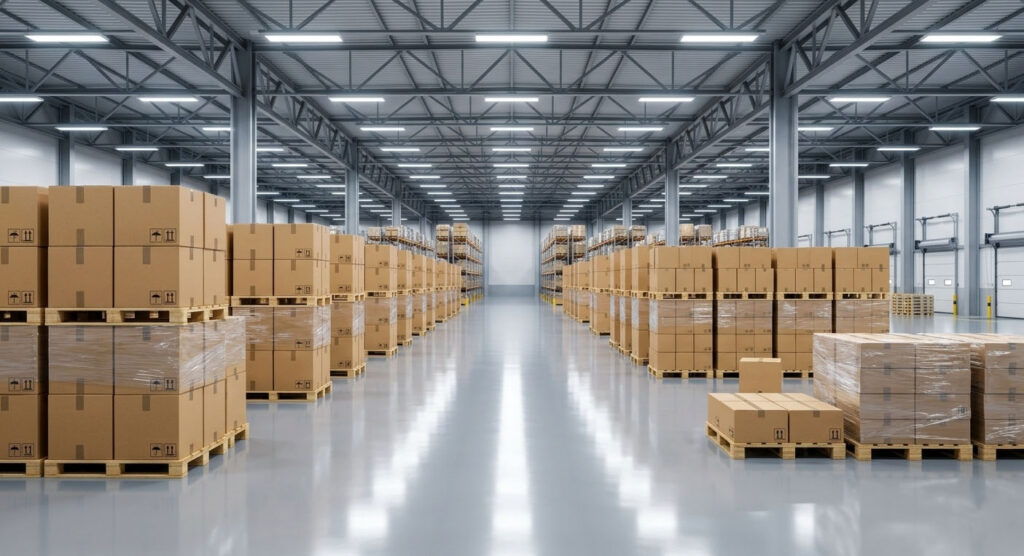
Conclusion: The Highest ROI May Already Be Sitting in Your Warehouse
Every warehouse containing used office furniture contains hidden opportunities.
Some products need cleaning.
Some need repairs.
Some need replacement components.
But many still have economic value.
The question is not:
“How much does it cost to repair this furniture?“
The better question is:
“How much value will be lost if this furniture is never recovered?“
For office furniture remanufacturers, liquidation companies, and asset recovery specialists, improving recovery capability is not simply an operational improvement.
It is a direct investment in increasing the value of existing assets.
The future of office furniture is not only about manufacturing new products.
It is about recovering the value that already exists.