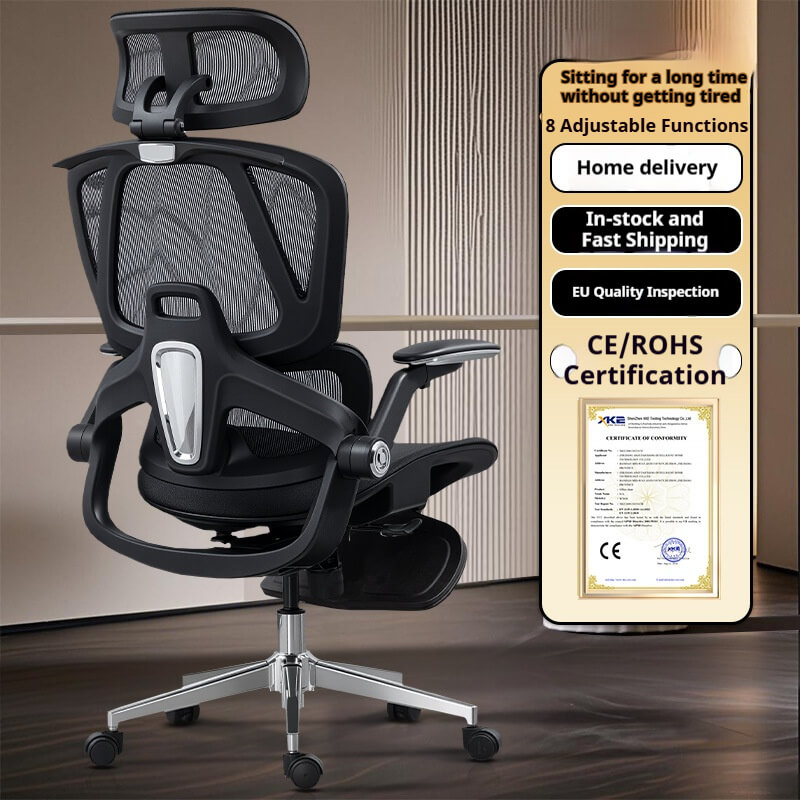
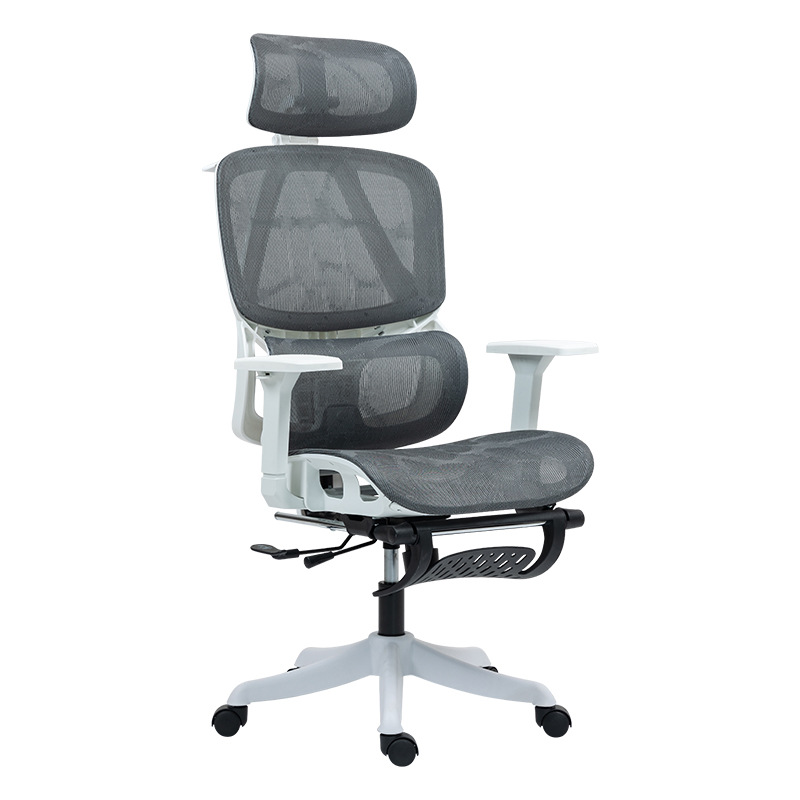
Ordering the wrong office chair tilt mechanism is one of the most common and costly mistakes in chair refurbishment and repair.
A mechanism may look identical to the original part, yet arrive with a different mounting pattern, control wire position, or seat attachment configuration. The result is wasted purchasing costs, delayed repairs, frustrated technicians, and inventory that remains unsellable.
Fortunately, most compatibility issues can be avoided by following a systematic identification process before placing an order.
This guide explains how refurbishment companies, office furniture dealers, and repair technicians can accurately identify an office chair tilt mechanism and significantly improve replacement success rates.

Why Correct Identification Matters
A failed tilt mechanism does not automatically mean a chair is beyond repair.
In many cases, replacing the mechanism can restore the chair to full functionality.
However, office chair manufacturers have used hundreds of different mechanism designs over the years. Even chairs that appear nearly identical externally may use completely different mounting systems underneath the seat.
Incorrect identification often leads to:
- Incompatible mounting holes
- Misaligned control levers
- Improper seat positioning
- Additional modification work
- Increased labor costs
- Warranty issues
Spending ten minutes collecting the correct information before ordering can save hours of rework later.
Step 1: Remove the Mechanism and Inspect the Bottom
The first step is simple.
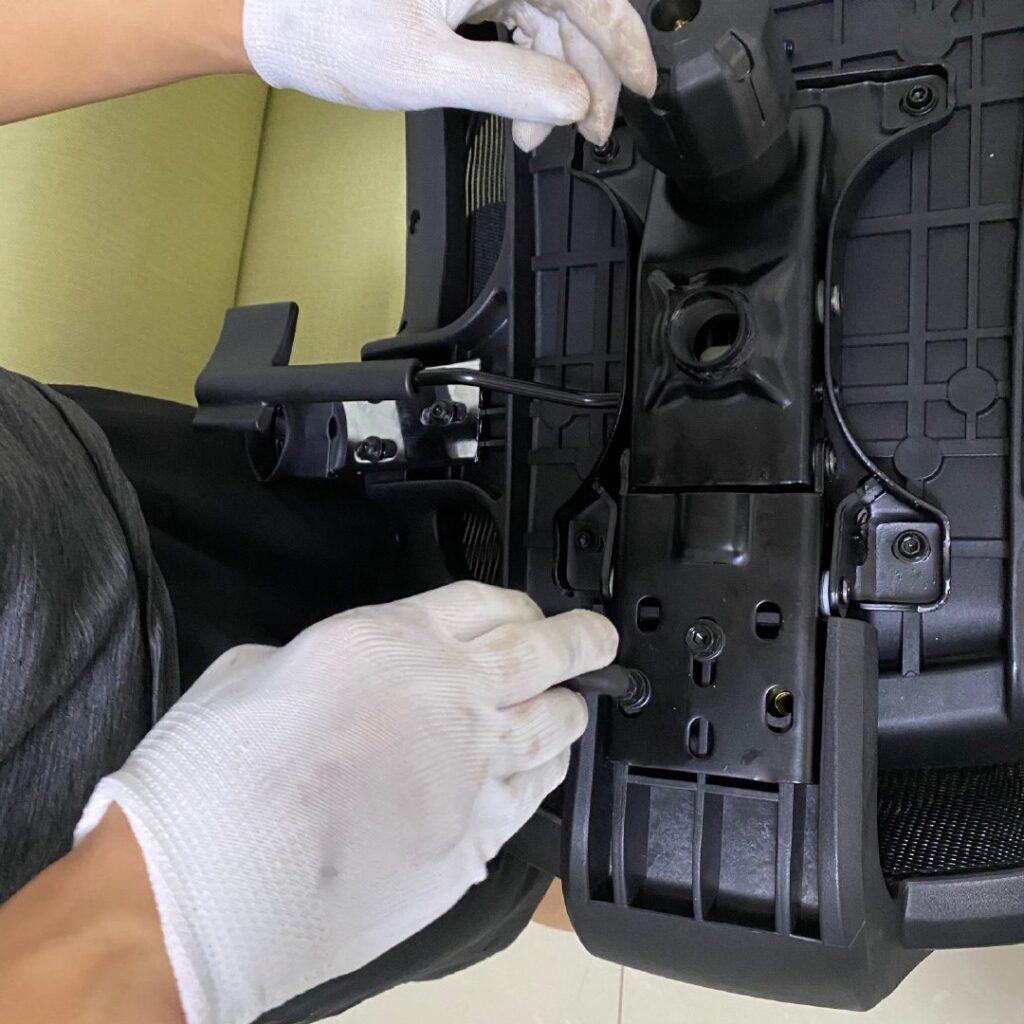
Turn the chair upside down and inspect the mechanism directly.
Do not rely on:
- Chair model names
- Brand assumptions
- Online product photos
Manufacturers frequently change mechanism designs during a product’s lifespan.
The actual mechanism installed on the chair is the only reliable reference.
During inspection, take clear photos from:
- Top view
- Bottom view
- Front view
- Side view
These images often reveal critical details that determine compatibility.
Step 2: Measure the Mounting Hole Pattern
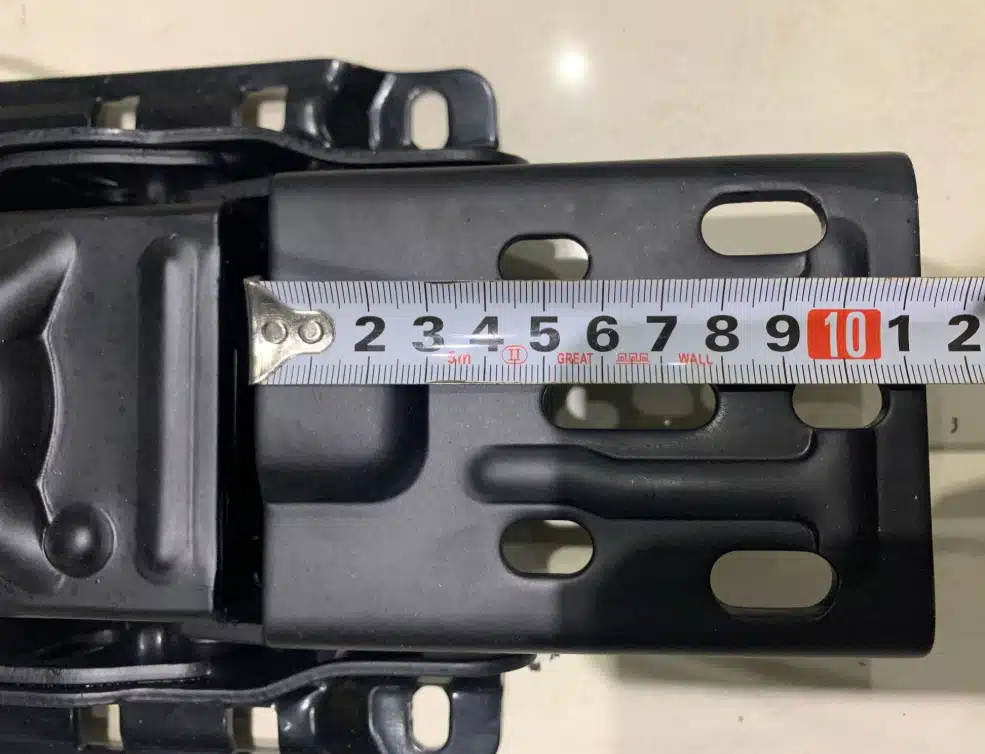
The mounting hole pattern is usually the most important specification.
Measure the center-to-center distance between mounting holes.
Common measurements include:
- 150 mm × 200 mm
- 153 mm × 253 mm
- 170 mm × 200 mm
- Custom dimensions
Even a difference of a few millimeters can prevent installation.
When measuring:
- Use a ruler or caliper
- Measure from hole center to hole center
- Record all dimensions accurately
Many replacement orders fail because buyers estimate rather than measure.
Step 3: Identify the Control System
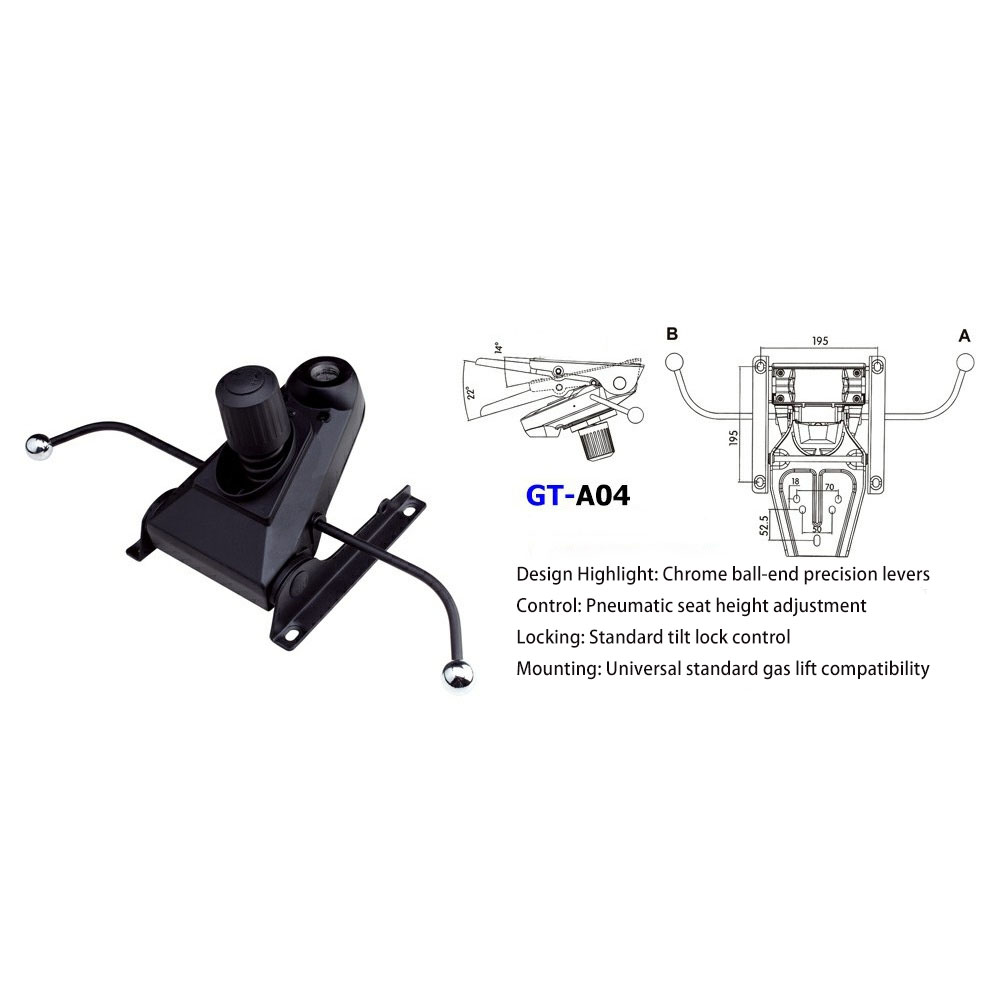
Modern office chairs typically use one of three control systems:
Lever-Control Mechanism
Traditional design using metal handles attached directly to the mechanism.
Characteristics:
- Simple construction
- Lower cost
- Common in task chairs
Wire-Control Mechanism
Uses cables connected to buttons or handles integrated into the seat.
Characteristics:
- Cleaner appearance
- More ergonomic operation
- Common in modern executive chairs

Paddle-Control Mechanism
Uses multiple paddles positioned beneath the seat.
Characteristics:
- Advanced ergonomic features
- Common in premium seating
The replacement mechanism must match the chair’s control architecture.
Step 4: Check the Gas Lift Connection
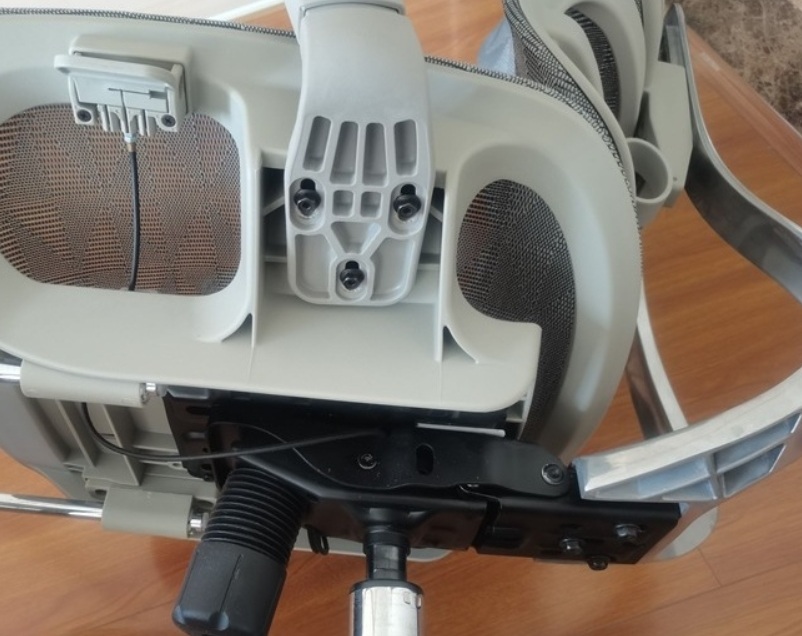
The gas lift interface is another critical compatibility point.
Inspect:
- Gas lift cone opening
- Mechanism center hole
- Overall fitment style
Most office chairs use standard tapered gas lift connections, but exceptions exist.
If the gas lift connection differs, the mechanism may not fit properly even if the mounting holes match.
Step 5: Determine the Mechanism Type
Not all tilt mechanisms perform the same function.
Common categories include:
Center-Tilt Mechanism
The seat and backrest tilt together around a central pivot point.
Typically found on entry-level chairs.
Knee-Tilt Mechanism
The pivot point is positioned closer to the front of the seat.
Provides a more natural reclining motion.
Common in executive seating.
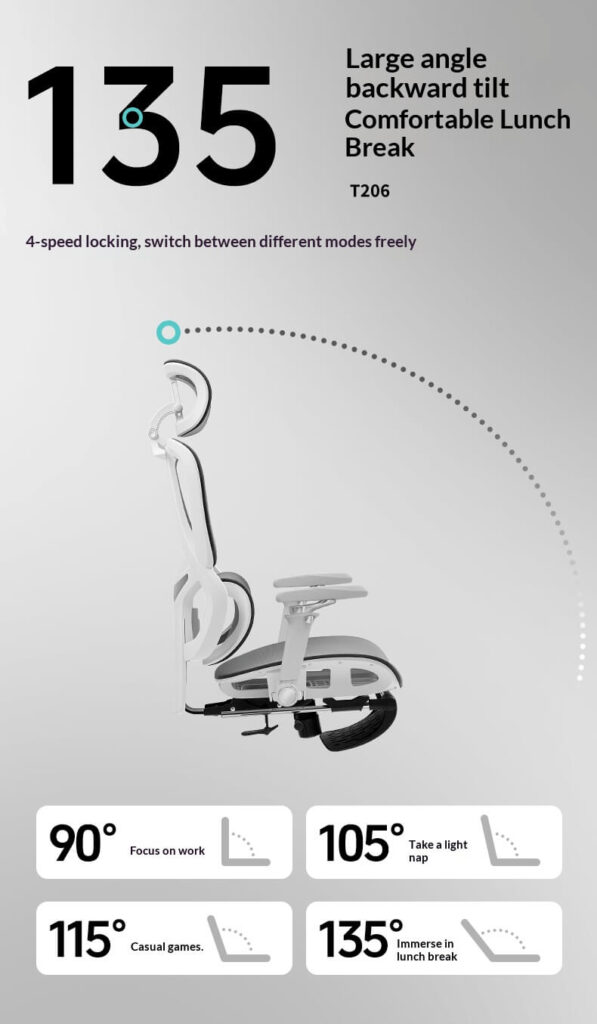
Synchro-Tilt Mechanism
The seat and backrest move at different ratios.
Provides better ergonomic support.
Frequently used in premium office chairs.
Multi-Function Mechanism
Allows independent adjustment of:
- Back angle
- Seat angle
- Tilt lock positions
Often found in ergonomic task chairs.
Selecting the wrong mechanism type can significantly alter chair performance.
Step 6: Look for Manufacturer Markings
Many mechanisms contain:
- Part numbers
- Factory codes
- Production dates
- Supplier labels
Check:
- Steel housing
- Underside stickers
- Stamped metal surfaces
Even partial identification numbers can help suppliers locate compatible replacements.
Before cleaning or discarding the original mechanism, record all visible markings.

Step 7: Evaluate Whether a Standard Replacement Exists
Once dimensions and specifications have been collected, determine whether a standard replacement is available.
In many refurbishment projects, standard mechanisms work perfectly.
However, problems arise when:
- The chair is discontinued
- Mounting patterns are uncommon
- Original parts are no longer manufactured
- Imported chairs use proprietary dimensions
At this stage, many repair teams assume the chair is no longer repairable.
That assumption is often incorrect.
When a Custom Solution Makes More Sense
For refurbishers and office furniture liquidators, inventory recovery is often more important than maintaining original factory specifications.
If a standard mechanism cannot be sourced, a custom solution may be more economical.
Options may include:
- Custom tilt mechanisms
- Adapter plates
- Modified mounting patterns
- Replacement wire-control systems
- Engineered compatibility solutions
A chair should not be discarded simply because the original mechanism is unavailable.
In many cases, a compatible alternative can restore the chair to full functionality while maintaining safety and performance.

Common Mistakes Buyers Make
Before ordering a replacement mechanism, avoid these mistakes:
Ordering Based on Chair Brand Alone
Different production years often use different mechanisms.
Measuring Edge-to-Edge Instead of Center-to-Center
This is one of the most common causes of compatibility issues.
Ignoring Wire-Control Layout
Cable positions vary significantly between models.
Assuming All Mechanisms Are Universal
Very few mechanisms are truly universal.
Discarding the Original Part Too Early
The original mechanism is often the most valuable reference.
Conclusion
Identifying an office chair tilt mechanism correctly is the foundation of a successful repair or refurbishment project.
By documenting mounting dimensions, control systems, gas lift interfaces, mechanism types, and manufacturer markings before ordering, businesses can dramatically improve compatibility and reduce costly delays.
For office furniture refurbishers, repair companies, and used furniture dealers, a systematic identification process not only saves time but also increases the percentage of chairs that can be returned to sellable condition.
Need Help Identifying a Difficult Mechanism?
If you’re dealing with an unknown, discontinued, or non-standard office chair mechanism, send us photos, dimensions, drawings, or an existing sample.