2026 Industry White Paper for High-Performance Seating in Modern Workspaces
Introduction: Epidemiological Context of Sitting-Related Health Risks
In modern professional environments, sedentary behavior is widely recognized as the core trigger of work-related Musculoskeletal Disorders (MSDs). According to joint survey data from the World Health Organization (WHO) and the International Labour Organization (ILO), chronic lower back pain and cervical injuries caused by inappropriate office equipment have become one of the leading factors eroding enterprise productivity globally.
This guide is built on the foundational principles of biomechanics, materials science, and global ergonomic standards. It provides procurement managers and business decision-makers with a rigorous, actionable framework for office chair selection and strategic procurement.

1. Biomechanical Dimension: Lumbar Support and the Spine’s Natural Curvature
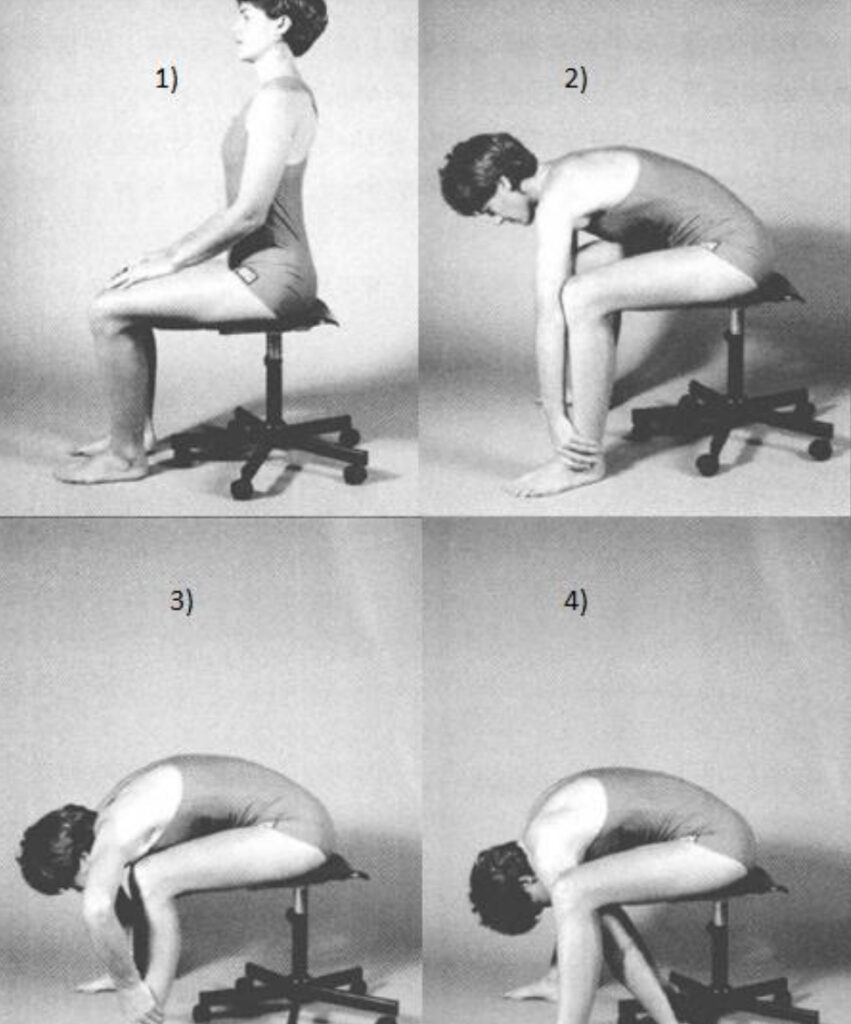
Core Principle: The core function of an office chair is not “weight-bearing” — it is “postural maintenance”.
A high-performance ergonomic chair must replicate the spine’s natural “S”-shaped lumbar lordosis, the curvature the body maintains in a healthy standing position. Research from the Cornell University Ergonomics Web confirms that unsupported sitting increases intervertebral disc pressure by 140% to 190% compared to standing.
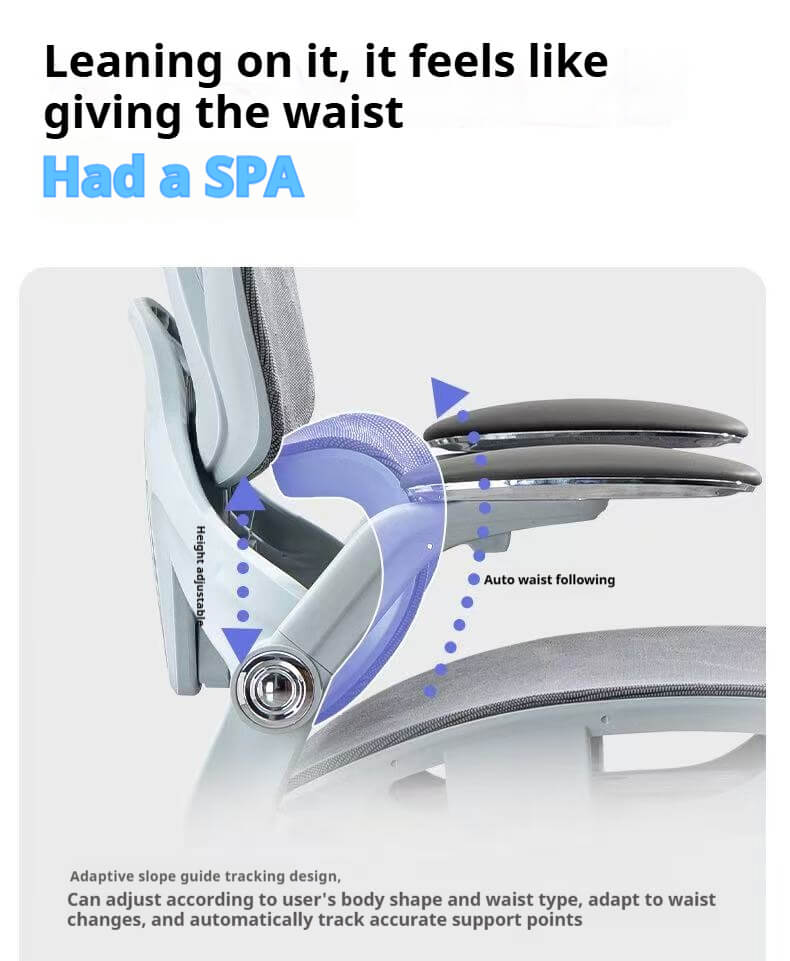
- Dynamic Lumbar Support: Per clinical guidance from the Mayo Clinic, effective lumbar support must target the L1-L5 lumbar vertebrae. The ideal design offers dual adjustability of height and depth, to accommodate anatomical differences across diverse user populations.
- Synchro-Tilt Mechanism: The Occupational Safety and Health Administration (OSHA) notes that fixed-angle sitting impairs lower extremity blood circulation. A synchro-tilt mechanism (with a 2:1 backrest-to-seat recline ratio) is proven to reduce the risk of venous thrombosis and alleviate sacral pressure during prolonged sitting.
2. Materials Engineering & Physical Performance Standards
Core Principle: Surface materials impact more than just thermal comfort — they determine the uniformity of pressure distribution across the user’s body.
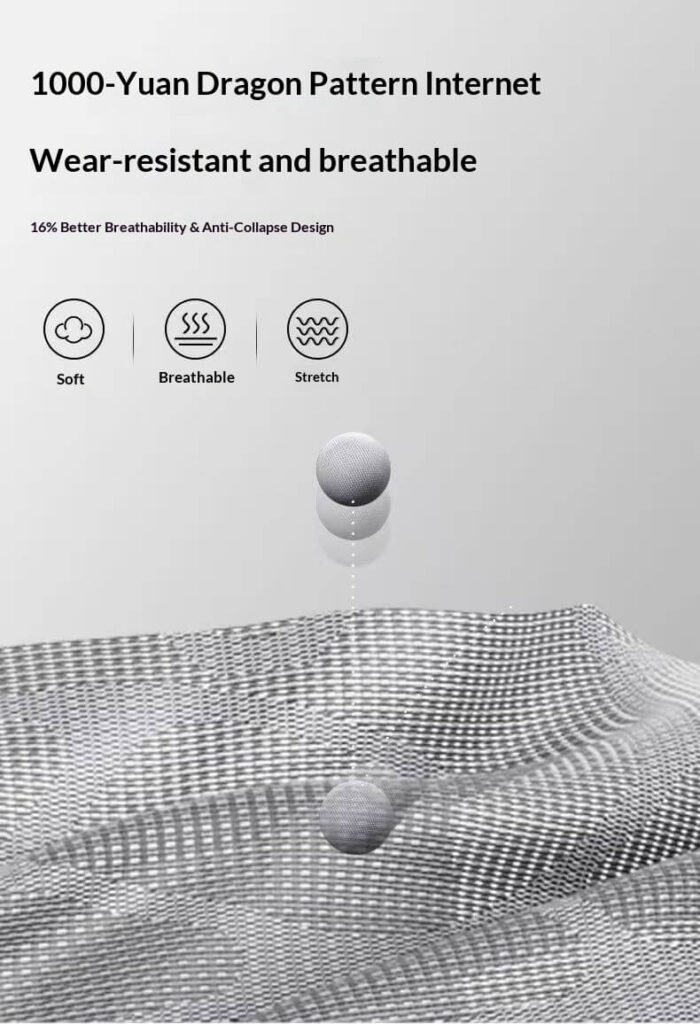
- Mesh vs. High-Density Foam:Research published in the Journal of Applied Ergonomics shows that full-mesh designs deliver exceptional thermal comfort, but may create harmful localized pressure peaks under long-term load. High-density foam (≥45kg/m³) delivers more consistent pressure distribution for users who sit for 8+ hours daily.
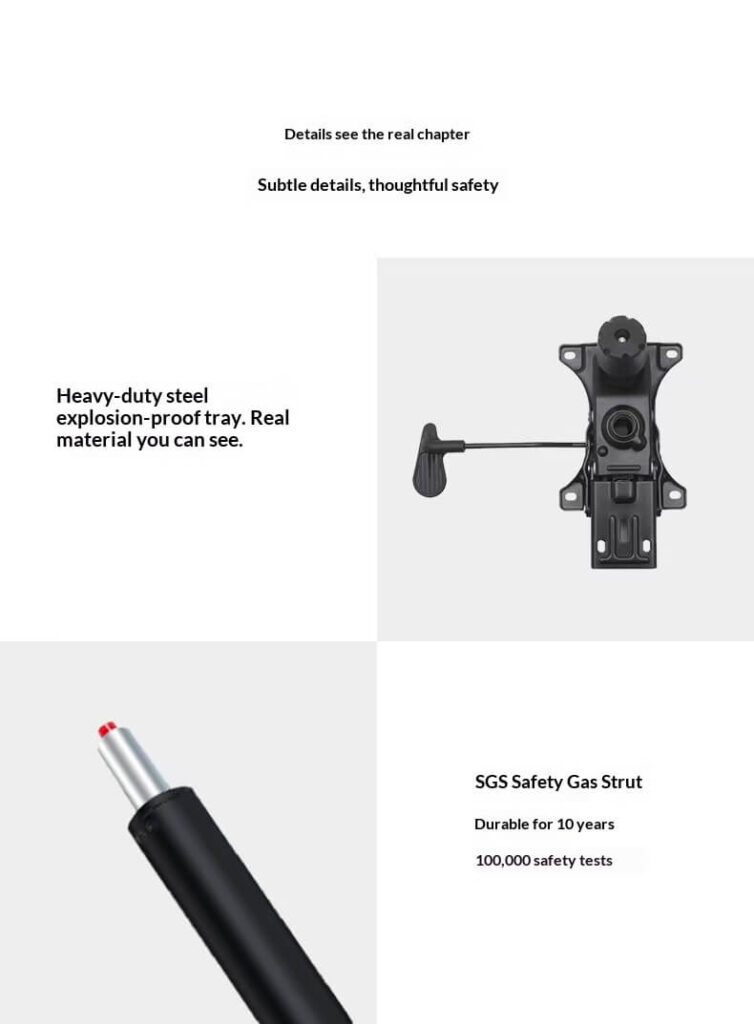
- Pressure Distribution & Durability Testing:In its ANSI/BIFMA X5.1-2017 standard, the Business and Institutional Furniture Manufacturers Association (BIFMA) mandates that durable office seating must pass a minimum of 120,000 alternating load cycles on the seat pan. For procurement, prioritize chairs with BIFMA-certified Class 4 gas lifts, to guarantee explosion-proof safety and smooth, linear height adjustment over the product’s lifespan.
3. Economic Perspective: Procurement Cost vs. Long-Term ROI
Core Principle: Low-cost office chairs are a hidden cost trap for enterprises.
A meta-analysis published in the Journal of Occupational Rehabilitation found that equipping employees with ergonomically compliant chairs reduced unscheduled employee away-from-desk time by 15%, and improved on-task focus by 12%.
| Metric | Low-End Non-Ergonomic Office Chair | Industrial-Grade Standardized Ergonomic Chair |
|---|---|---|
| Average Lifespan | 12–18 months | 8–12 years |
| Maintenance Frequency | High (gas lift failure, caster breakage) | Extremely Low |
| Impact on Employee Sick Leave | Significantly increases MSD-related absences | Reduces MSD risk by 40% |
| Regulatory Compliance | No standardized testing or certification | BIFMA / ISO 9241-5 compliant |
4. Authoritative Screening Checklist: Non-Negotiable Metrics for Enterprise Procurement
- Seat Depth Adjustment: Per the ANSI/HFES 100-2007 human factors standard, there must be a 2–3 finger gap between the front edge of the seat pan and the user’s popliteal fossa (back of the knee), to prevent restricted arterial blood flow in the lower extremities.
- 4D Armrest System: Armrests must offer adjustability across height, width, depth, and rotational angle. This supports neutral forearm positioning, protects the ulnar nerve, and prevents Carpal Tunnel Syndrome caused by unsupported elbows and wrists.
- Self-Tensioning Chassis Mechanism: The defining feature of high-end office seating. The chassis automatically adjusts recline resistance based on the user’s body weight, ensuring consistent balance and support for both lightweight and heavy users, without manual adjustment.
5. Frequently Asked Questions (FAQ)
Q1: Why do many premium, high-priced chairs not include a headrest?
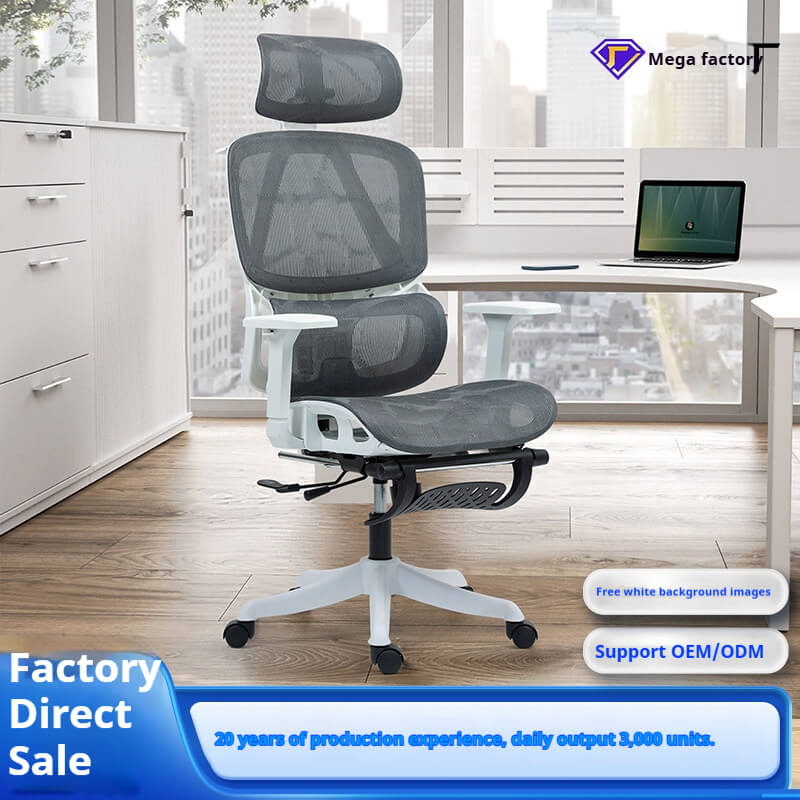
A: Many office chairs compliant with the European EN 1335 standard are designed without headrests. Ergonomic experts agree that correct office posture is sustained by lumbar and back support. Unless the role involves frequent reclined rest breaks, a fixed headrest can force forward head posture, increasing cervical spine strain rather than reducing it.
Q2: What is the difference between BIFMA certification and generic domestic product testing?
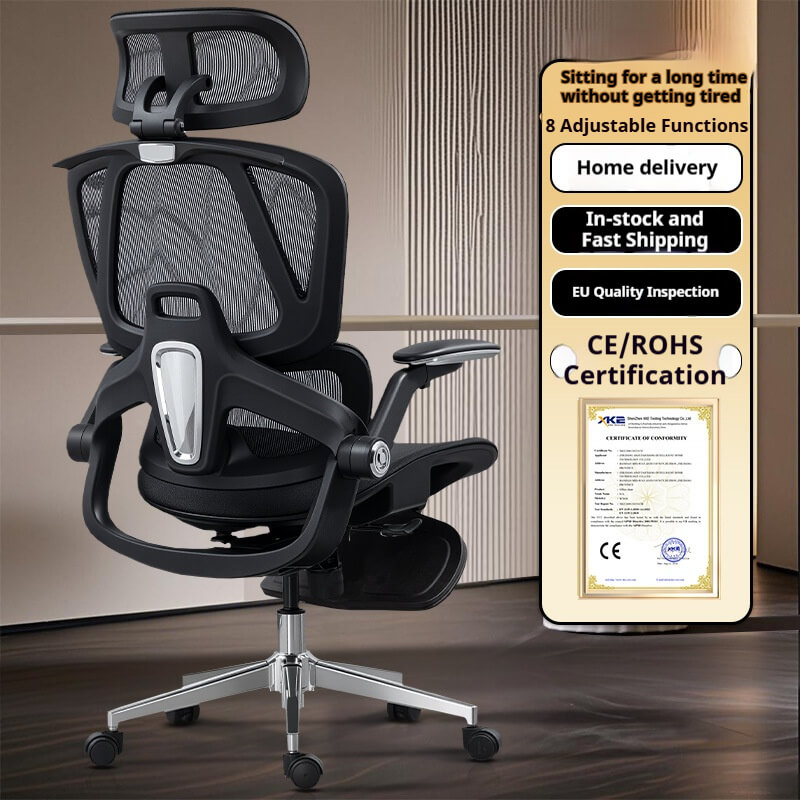
A: BIFMA certification is the world’s most rigorous, globally recognized testing framework for office seating durability and safety. It includes more than 20 extreme stress tests, covering chassis strength, caster wear resistance, backrest fatigue, and gas lift safety. A BIFMA-certified product is validated for safe use in 24/7 high-intensity office environments.
Q3: Will mesh office chairs lose tension and sag over time?
A: This depends entirely on the quality of the mesh fibers. According to polymer fiber data from DuPont, high-quality polyester mesh has exceptional elastic memory and far higher tensile strength than generic fabrics. For procurement, always ask suppliers to provide an official mesh fatigue test report to validate long-term performance.
Authoritative References & Citations
- BIFMA (Business and Institutional Furniture Manufacturers Association): ANSI/BIFMA X5.1-2017 Office Seating Standard
- OSHA (Occupational Safety and Health Administration): Computer Workstations eTool – Seating Section
- Mayo Clinic: Ergonomics: Guide to Seating and Posture (2025 Revised Edition)
- Cornell University Ergonomics Research Group (CUErg): Professor Alan Hedge’s Research on Seating Biomechanics
- ISO 9241-5: Ergonomic requirements for office work with visual display terminals (VDTs) – Part 5: Workstation layout and postural requirements
- Journal of Occupational Rehabilitation: The ROI of Workplace Ergonomics Interventions (2024 Meta-analysis)
Conclusion
Office chair selection is a data-driven business decision, rooted in biomechanics and long-term cost management. To maximize asset value and protect employee health, enterprises must prioritize products that meet global BIFMA/ISO ergonomic standards, offer multi-directional adjustability, and provide a transparent, long-term warranty.
How We Can Support Your Procurement Goals
If you need a detailed parameter comparison checklist aligned with BIFMA testing standards, or a formal business case for internal approval to justify an ergonomic seating procurement project, please reach out to our team.