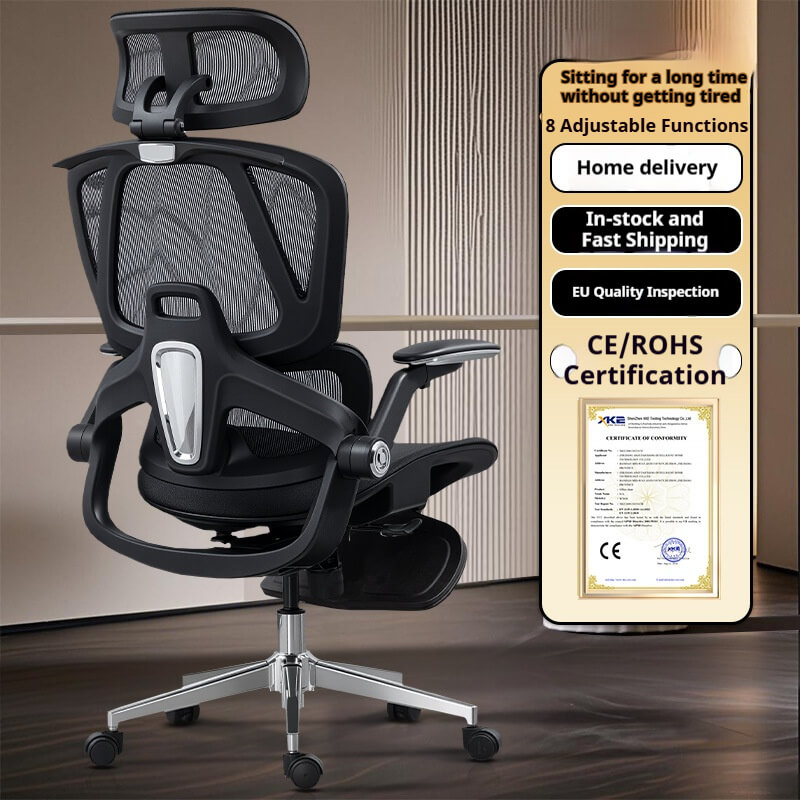
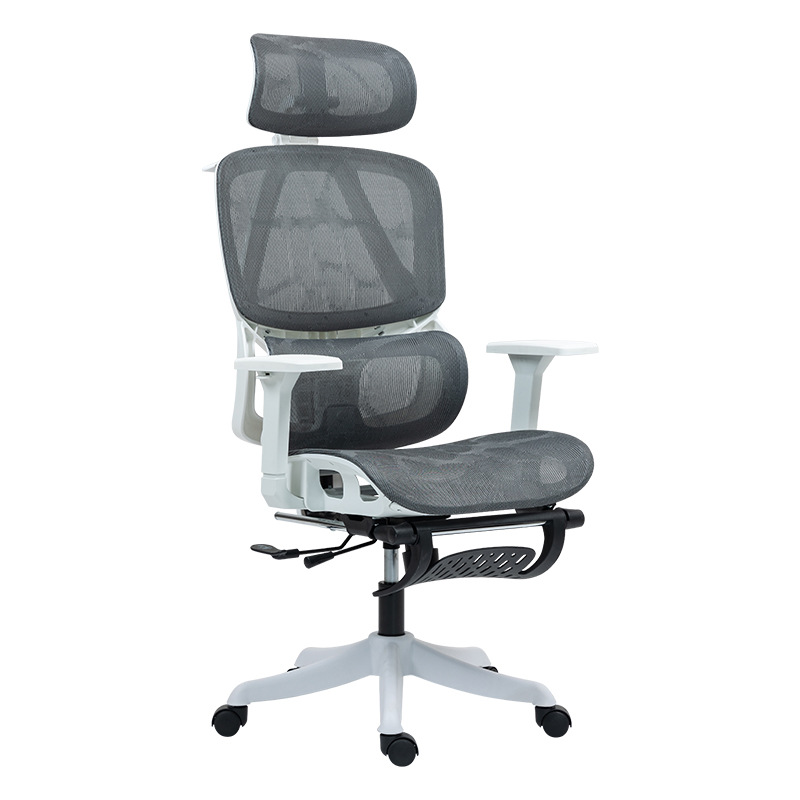
It is 10:00 AM on a Tuesday. Your container of 500 ergonomic office chairs has just been unloaded at your warehouse. As your team starts assembling them, a disaster unfolds: 50 of the aluminum bases have micro-cracks, and the gas lift cylinders are failing the drop test.
That is 10% of your inventory rendered completely unsellable. You are looking at a direct $6,000 product loss, not counting shipping, customs, and furious B2C customers demanding refunds.
You immediately open WhatsApp and contact your supplier in China.
“Don’t worry, friend,” the sales rep replies. “We have a 1-year warranty. We will send you replacement parts… inside your next container.”
Suddenly, the cold reality hits you: You just became the victim of the Accountability Void.
In international B2B sourcing, the most dangerous question is not “What is the price?” The most dangerous question is: When things go wrong, who actually bleeds?
Let’s brutally tear down the three biggest illusions of safety in China sourcing, and show you how professional importers actually secure their supply chains.
The 3 Dangerous Illusions of B2B Sourcing Safety
Illusion 1: The Factory’s “Warranty”
Most buyers assume that a “2-year warranty” on an Alibaba or Made-in-China listing operates like an Amazon return policy. It does not.
Cross-border freight costs are astronomical. Factories know that you cannot afford to ship 50 broken chairs back to Guangdong. Therefore, their standard operating procedure (SOP) is to offer replacement parts only if you place another order.
The Reality: They are using your current disaster to hostage your future cash flow. You are the one paying for their manufacturing mistakes.
Illusion 2: Third-Party Quality Control (QC)
Many buyers hire third-party inspection agencies (like SGS or local QC firms) assuming this guarantees perfection.
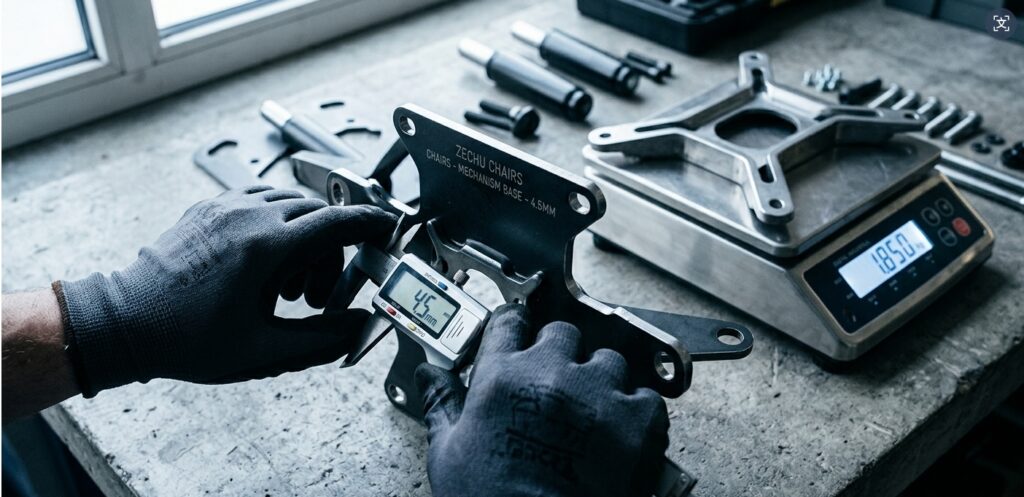
Here is what the QC report won’t tell you: standard QC relies on AQL (Acceptable Quality Limit) random sampling—usually 10%. They spend 4 hours in the factory, check the cosmetics, measure the dimensions, take some photos, and issue a “Pass” certificate.
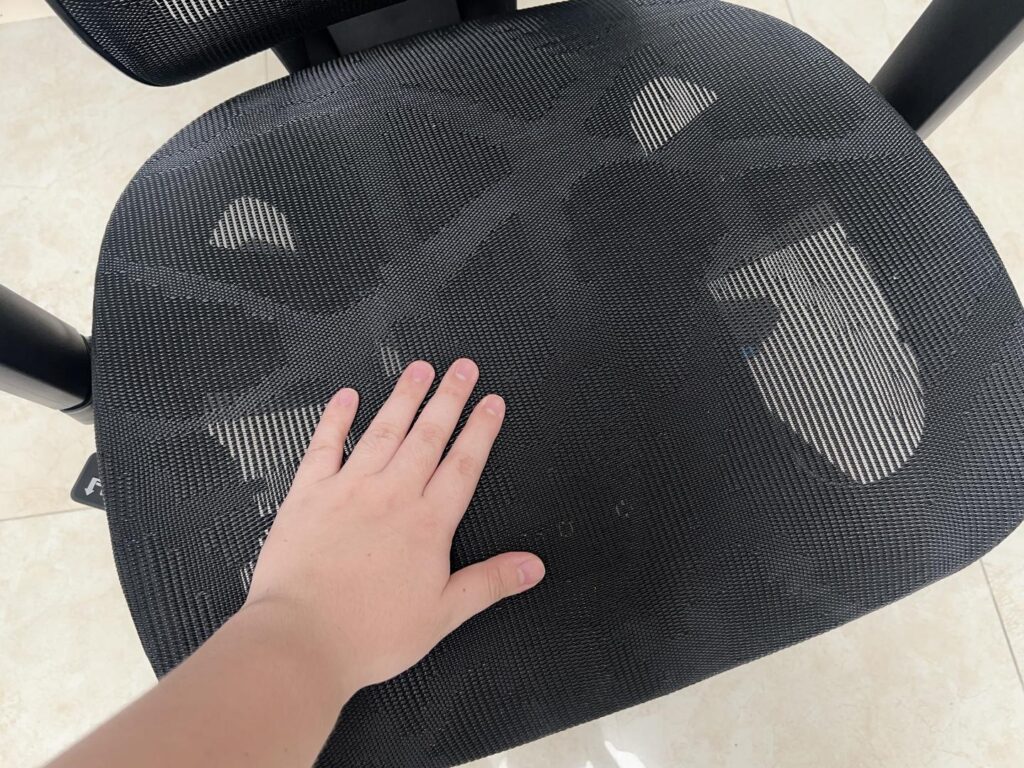
The Reality: If a deeply flawed batch of nylon mesh ruins a chair after three months of sitting, the third-party QC company takes zero financial responsibility. They sell checklists, not accountability.
Illusion 3: B2B Platform Guarantees (Trade Assurance)
Platforms advertise buyer protection to keep transactions on their ecosystem. But if you have ever tried to file a complex dispute over “component fatigue” or “color fading,” you know it is a bureaucratic nightmare.
You have to provide video evidence, hire local appraisers, and wait months. In 90% of cases, the resolution is a microscopic partial refund that doesn’t even cover the cost of local disposal.
The Radical Truth: Accountability is a Financial Structure, Not a Promise
Contracts and warranties are just pieces of paper until they are tested by a financial loss. True safety in the supply chain does not come from finding a “honest factory.” It comes from building a system where someone else’s money is on the line if things go wrong.
Why do global mega-brands never suffer from the “replacement parts on the next order” trap? Because they don’t buy products—they buy
How to Build a Zero-BS Accountability System
If you are a wholesaler, facility manager, or procurement director, you cannot afford to wait and see if your supplier is honorable. You must enforce structural safety:
1. In-Process Vigilance (Not Just Pre-Shipment)
The biggest mistakes happen long before assembly. Are they using recycled plastic pellets instead of virgin nylon for the chair frames? Are the Class-4 gas lifts actually certified, or did they swap them for Class-3 after the sample was approved?
Solution: Your eyes need to be on the raw materials before they hit the assembly line. Catching a flaw during pre-shipment inspection is often too late—the factory will pressure you to accept it because “remaking it takes 30 days.”
2. Component Stress-Testing
Cosmetic checks are useless for ergonomic chairs. Safety lies in the mechanical integrity. Your sourcing protocol must demand video evidence of tilt-mechanism fatigue tests, base crush tests, and fabric abrasion tests specifically for your batch.
3. The Power of a Dedicated “Risk Auditor”
This is the uncomfortable truth: Factories are biased toward their own survival. They want to ship the goods and collect the balance.
To achieve true accountability, procurement leaders are shifting away from dealing directly with faceless factories and instead partnering with Strategic Sourcing Partners.
A true partner does not just connect you to a factory. Their role is to be your Disaster Insurance Fund.
- They audit the unseen risks.
- They aggressively negotiate the rectifications inside China before the goods cross the border.
- They protect your cash flow by ensuring the product is 100% compliant before the balance is paid.
Stop Buying Illusions. Start Buying Peace of Mind.
Who is ultimately responsible for your safety? If you rely on typical manufacturer warranties, the answer is you. You carry 100% of the cross-border risk.
It’s time to stop gambling with your cash flow. If you are tired of playing the “warranty game” and want a supply chain built on radical transparency and bulletproof risk isolation, you need a partner who sits on your side of the table.
The $100k Illusion: Avoiding Office Chair Manufacturing Defects