For facility managers and B2B procurement teams, importing ergonomic chairs from overseas often feels like navigating a minefield. You receive an FOB quotation for $50 per chair on Alibaba, complete with shiny SGS and BIFMA certificates. The margin looks fantastic on paper.
But what happens when the winter sets in, and the 5-star bases start snapping? What happens when chairs sink after three months of use, leading to workplace injury lawsuits that obliterate your profit margins?
The truth is, in the B2B commercial furniture industry, nobody gives you a $10 discount without taking $15 worth of quality out of the product.
If you are sourcing high-volume seating for projects or wholesale, you must understand how manufacturers manipulate the Bill of Materials (BOM) to hit unrealistic target prices. Here are the three most dangerous supply chain secrets hidden inside cheap ergonomic chairs.
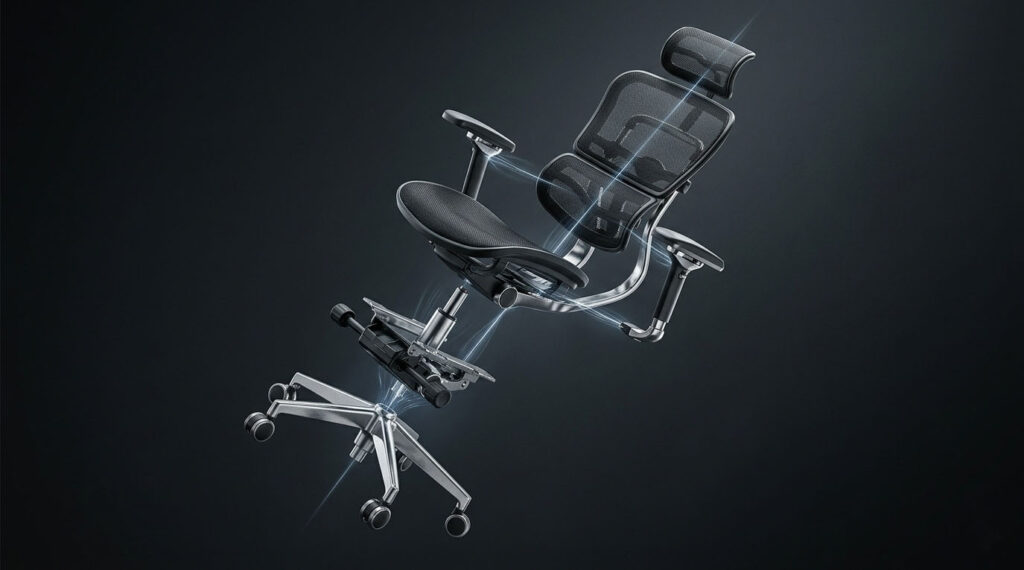
1. The “Bait and Switch” Gas Lift Scam
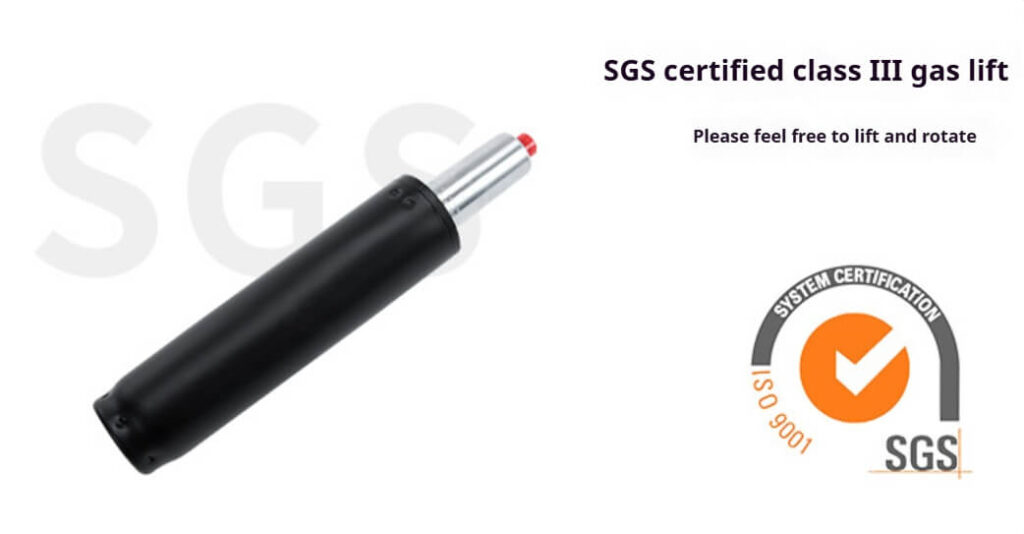
The gas lift (pneumatic cylinder) is the beating heart—and the most dangerous component—of any office chair. International safety standards require Class 3 or Class 4 gas lifts for commercial use, ensuring strict wall thickness and nitrogen leak prevention.
How They Cheat:
Suppliers will send genuine Class 4 gas lifts (from reputable brands like KGS or Samhongsa) to third-party labs (TÜV/SGS) to secure the certification report. However, once your mass production order begins, they silently substitute 80% of the batch with cheap Class 2 cylinders. Your chair looks identical, but its lifespan is slashed from 5 years to 6 months, carrying a severe risk of explosion or sinking.
Pro Tip: Always demand engraved class stamps on the steel body of the gas lift, not just a sticker.
2. The Fatal “Recycled Plastic” Trap
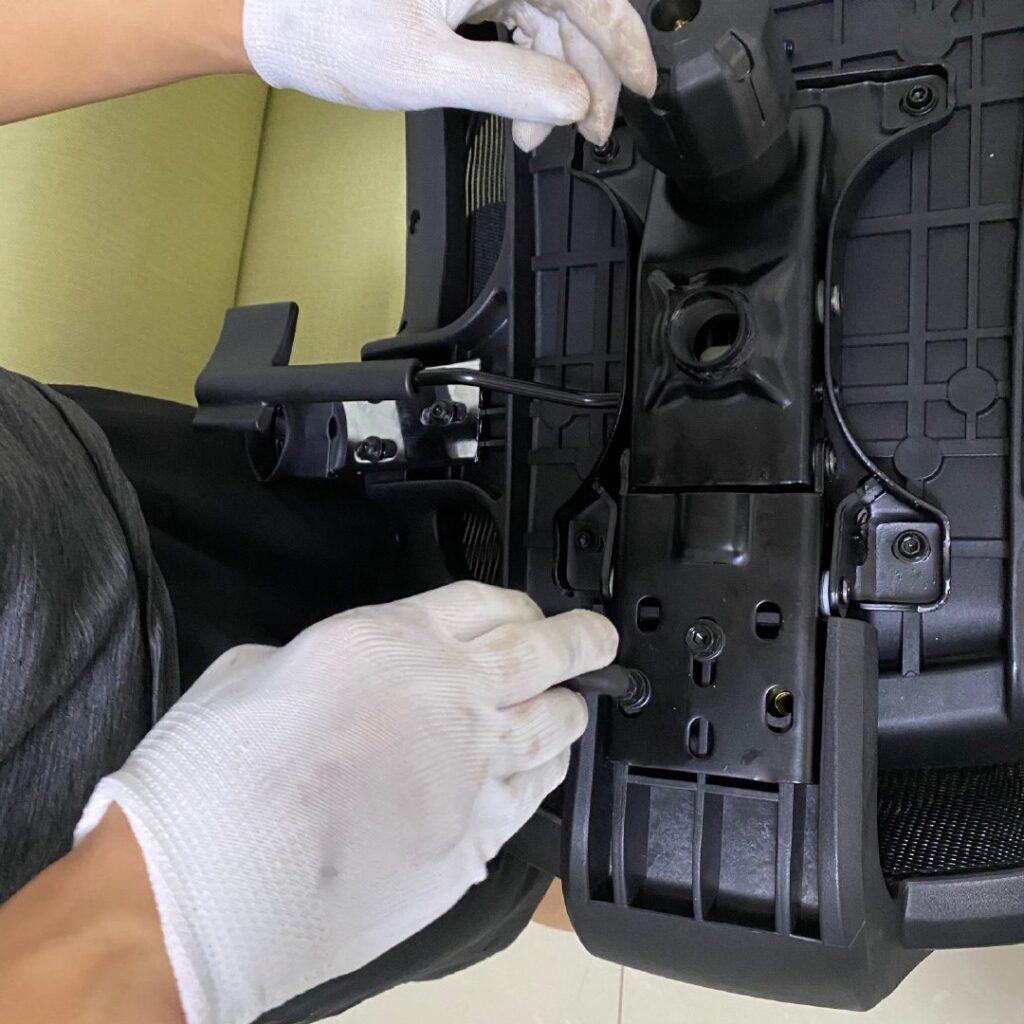
High-quality ergonomic chairs rely on PA66+GF30 (Nylon mixed with 30% Glass Fiber) for their structural frames and bases. It provides the perfect balance of flexibility and extreme load-bearing strength.
How They Cheat:
Virgin PA66 is expensive. To shave off $5 to $8 per chair, rogue factories mix up to 50% recycled plastic scrap (often degraded PP or ABS) into the nylon injection molding process.
At room temperature inside a Canton Fair booth, the chair feels sturdy. But the moment these chairs are shipped to colder climates (like Northern Europe or North America), the recycled plastic becomes dangerously brittle. A 200lb user leaning back can snap the structural base instantly.
The Dealer Moat:
Retaining Margin in Ergonomic Seating
Stop Bleeding Project Margins to Tier-1 Brands.
Download our proprietary whitepaper to discover how the top 5% of independent dealers use engineered quality to completely dominate commercial bids.
- Expose the “Dealer Loyalty” lie and take back pricing power
- Identify hidden margin leaks in open plan segments
- Deploy a zero-risk direct sourcing protocol
3. The Photoshop BIFMA Illusion
Having a “BIFMA Compliant” badge on a quotation means absolutely nothing in 2026. Passing a legitimate ANSI/BIFMA X5.1 full-protocol test costs thousands of dollars per model.
How They Cheat:
Trading companies and low-tier OEMs often download a competitor’s BIFMA PDF report, heavily photoshop the date, factory name, and model number, and send it to you as proof. Furthermore, they will often try to pass off a BIFMA X5.5 report (which is meant for desks, not seating) because the buyer won’t check the specific code digits.
The Antidote: True Cost of Ownership (TCO)
As a procurement director, your goal isn’t finding the lowest FOB price—it’s optimizing the True Cost of Ownership (TCO).
If you save $10 on the initial quotation but suffer a 15% defect rate, exorbitant replacement shipping costs, and irreversible damage to your brand reputation, your “cheap” chairs just cost you triple their value.
At Zechu Timeless Chairs, we refuse to participate in the race to the bottom. We operate with radical transparency, providing real-time video verification of mechanism thickness (≥2.5mm cold-rolled steel) and maintaining an uncompromised PA66+GF30 standard.
Stop gambling with your supply chain budget. Understand the BOM, audit the materials, and protect your margins.
Are you really buying what you specified? Or are you buying a 3-month liability trap?