The Truth About Wholesale Office Chairs from China: What Your Supplier Isn’t Telling You (2026 Guide)
[Introduction: The R...
Read More → Heze Zechu Trading Co., Ltd. – Your Trusted Sourcing Partner for Office Chairs in China
We don’t just source chairs. We set the baseline, enforce the protocols, and eliminate your purchasing risks.


This is our standard operating procedure. We do not hope for the best; we plan for the worst. Below is the mapping of real-world risks we manage for every container of ergonomic chairs.
isk 01: Ghost Subcontracting
Fix 1: Real-time, unannounced physical footprint auditing.
Fix 2: Tier-2 component supplier cross-referencing.
Fix 3: Strict no-subcontracting financial penalties.
Risk 02: BIFMA / SGS Certificate Forgery
Fix 1: Direct registry verification via independent bodies.
Fix 2: Requesting specific batch-test data over generic certs.
Fix 3: Localized sampling for secondary lab testing.
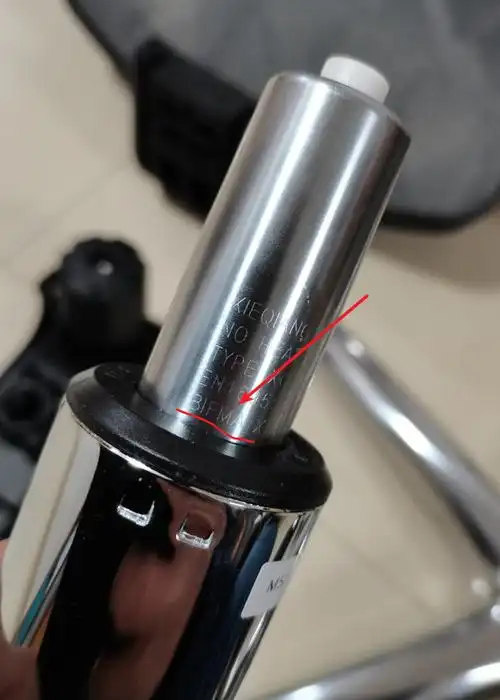
Risk 03: Core Component Downgrades (Gas Lift / Mechanism)
Fix 1: Mandatory transparent BOM (e.g., KGS Class 4 vs. generic).
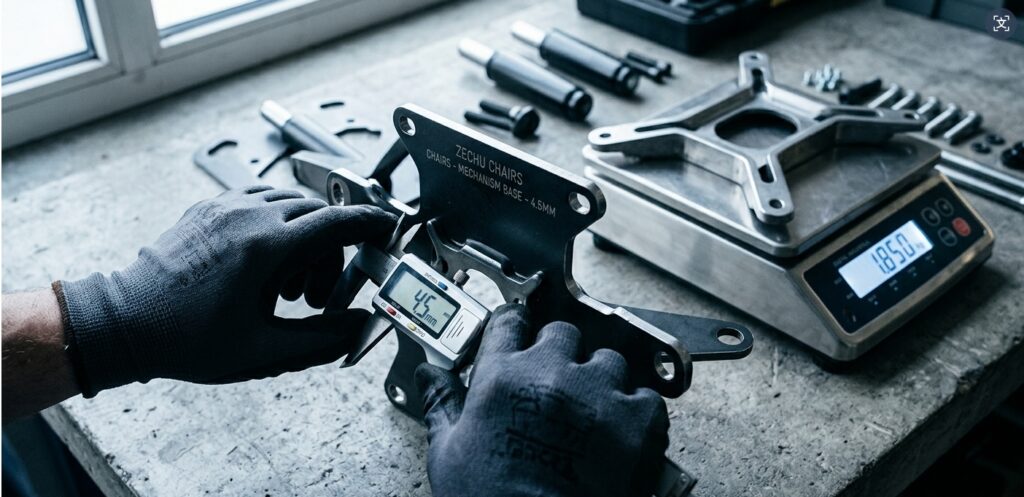
Fix 2: On-site weigh-ins and thickness measurements of plates.
Fix 3: Supply chain serialization tracking for load-bearing parts.
Risk 04: Mesh Fabric Tension Degradation
Fix 1: Manufacturer spec verification (Nylon vs. Polyester ratio).
Fix 2: Pre-production accelerated fatigue test data review.
Fix 3: Locking in specific fabric weaving suppliers before mass-run.

Risk 05: Golden Sample vs. Mass Production Discrepancy
Fix 1: “Sealed & Signed” control samples kept at our local office.
Fix 2: First-Article Inspection (FAI) on the actual line.
Fix 3: Irreversible tooling sign-offs to prevent unauthorized tweaks.
Risk 06: Mold Ownership & IP Leakage
Fix 1: Triple-layer NNN agreements under Chinese jurisdiction.
Fix 2: Escrowing custom molds or separating crucial assembly steps.
Fix 3: Regular IP monitoring on domestic B2B platforms.
Risk 07: Mechanism Tolerance Issues
Fix 1: Strict tolerance margin documentation prior to tooling.
Fix 2: Decibel (dB) auditing during functional stress tests.
Fix 3: Lubrication and bearing quality mandatory standardization.
Risk 08: Dynamic vs. Static Load Failures
Fix 1: Demand dynamic drop-test videos, not just static holds.
Fix 2: Base thickness auditing at the injection stage.
Fix 3: Floor-type compatibility checks (Carpet vs. Hardwood).
Risk 09: Stealth Cost-Downs During Production Spikes
Fix 1: Mid-production, randomized spot checks by our personnel.
Fix 2: Bypassing sales reps to speak directly to production managers.
Fix 3: Weight discrepancy tracking per unit at final assembly.

Risk 10: Assembly Line Yield Rate Drops
Fix 1: Weekly production capacity tracking vs. committed timeline.
Fix 2: Buffer scheduling factored into the primary Lead Time.
Fix 3: Triggering priority penalties if internal milestones are missed.
Risk 11: Packaging Failures
Fix 1: Upgrading carton ply-rating (e.g., K=K, 250lbs burst) by default.
Fix 2: Mandatory ISTA 1A/2A drop testing for mail-order packaging.
Fix 3: Custom internal molded pulp/EPP layout validation.
Risk 12: Production Deprioritization
Fix 1: Micro-management of factory planners schedule.
Fix 2: Staged payment releases tied strictly to physical progress.
Fix 3: Establishing leverage with local factory bosses, outside of sales channels.
Risk 13: Rust & Moisture Damage
Fix 1: Galvanization thickness spot checks.
Fix 2: Ensuring proper anti-rust oil application post-machining.
Fix 3: Vacuum sealing and upgraded desiccants for metallic components.
Risk 14: Biased Internal Factory QC Reports
Fix 1: We do not accept factory-issued QC. We deploy 3rd-party-grade inspections.
Fix 2: Utilizing AQL 1.5/4.0 strict sampling methods.
Fix 3: Real-time video walk-throughs of defects, not just PDF summaries.
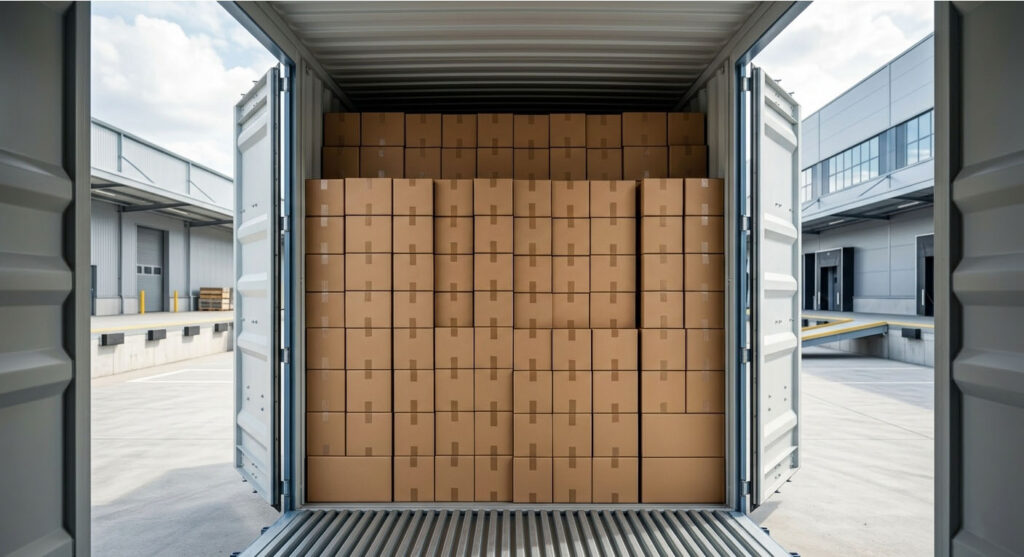
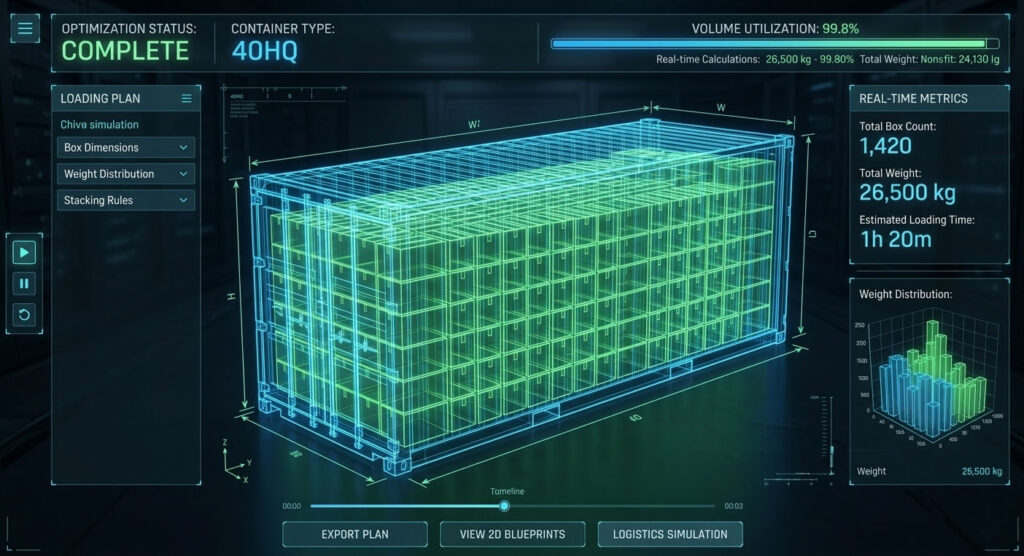
Risk 15: CBM Waste & Container Space Optimization
Fix 1: 3D loading software simulation to minimize dead space.
Fix 2: SKD vs. CKD packaging analysis based on combined labor & freight.
Fix 3: Physical supervision of container stuffing.
Risk 16: Palletization & Transit Shock Damage
Fix 1: Ensuring proper pallet weight distribution and stretch wrapping.
Fix 2: Shock-tilt indicators applied externally to the master cartons.
Fix 3: Container floor moisture barrier checks.
Risk 17: Customs Paperwork & HS Code Mismatches
Fix 1: Pre-screening commercial invoices, packing lists, and CO.
Fix 2: Optimal HS Code usage for Anti-Dumping Duty (ADD) avoidance avoidance.
Risk 18: In-Freight Humidity (Container Rain)
Fix 1: Mandatory installation of industrial desiccant poles.
Fix 2: Ensuring ventilation holes are unblocked and rain-sealed.
Fix 3: Inspecting container structural integrity before loading.