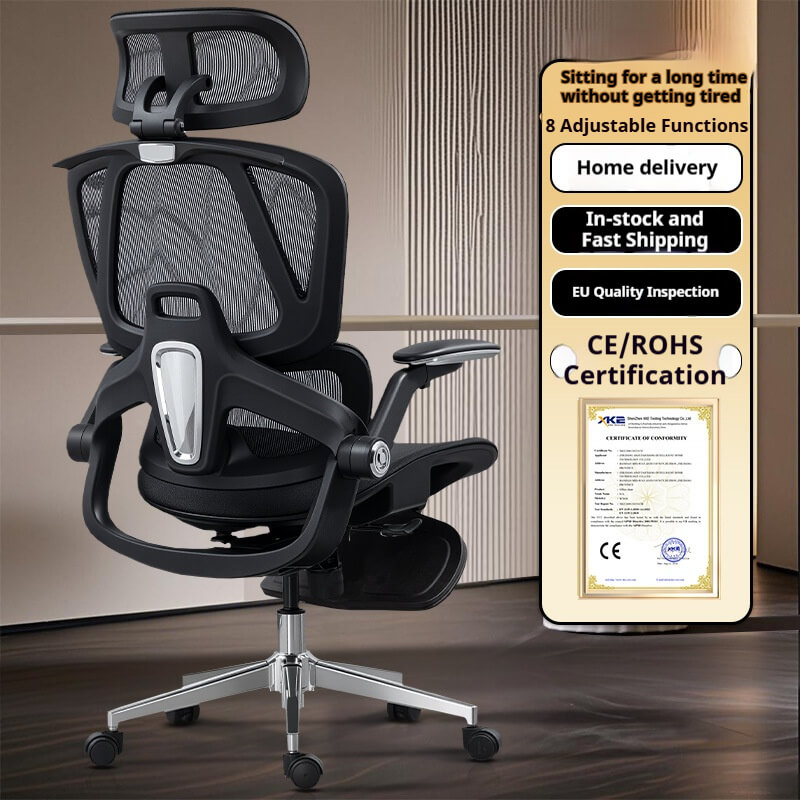
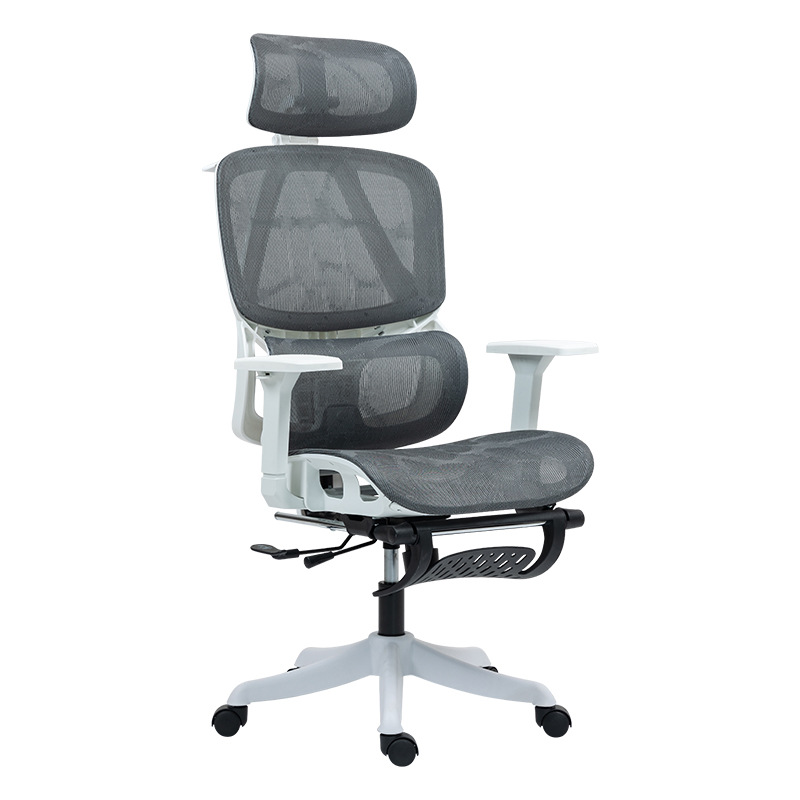
For B2B procurement teams, the true cost of ergonomic office chairs is rarely the FOB price listed on a supplier’s quotation. The real financial bleed occurs 6 to 12 months after deployment, when structural fatigue sets in, user complaints spike, and replacement costs destroy the initial procurement budget.
When sourcing office furniture globally, visual inspections and standard product catalogs are fundamentally insufficient. Catalog photos cannot reveal density degradation, metal fatigue, or climate-induced material warping.
To achieve absolute risk control over a container-volume transaction, procurement decisions must rely on a forensic structural audit. Here are the three most common hidden traps in B2B ergonomic chair sourcing, and the brutal reality of how they fail.
Trap 1: The Base & Climate Mismatch (Nylon vs. Aluminum)
One of the most frequent procurement errors is standardizing base materials without accounting for the end-user climate and logistics environment.
A 320mm or 350mm high-density nylon base is often pitched as a cost-effective, durable solution. In temperate, climate-controlled offices, it performs adequately. However, in regions with extreme heat (such as the Middle East) or during prolonged transit in non-air-conditioned logistics hubs, nylon is susceptible to thermal expansion and structural flex.
The Brutal Truth: If the target deployment involves heavy-duty commercial use (users consistently over 100kg/220lbs) or non-temperature-controlled environments, a nylon base is a strict “Do Not Buy” condition. Specifications must mandate BIFMA-certified ADC12 aluminum alloy bases with reinforced internal ribbing to guarantee zero deformation under stress.
Trap 2: The Seat Pan Illusion (Recycled vs. High-Resilience Molded Foam)
Procurement catalogs rarely differentiate between foam types if the external fabric looks identical.
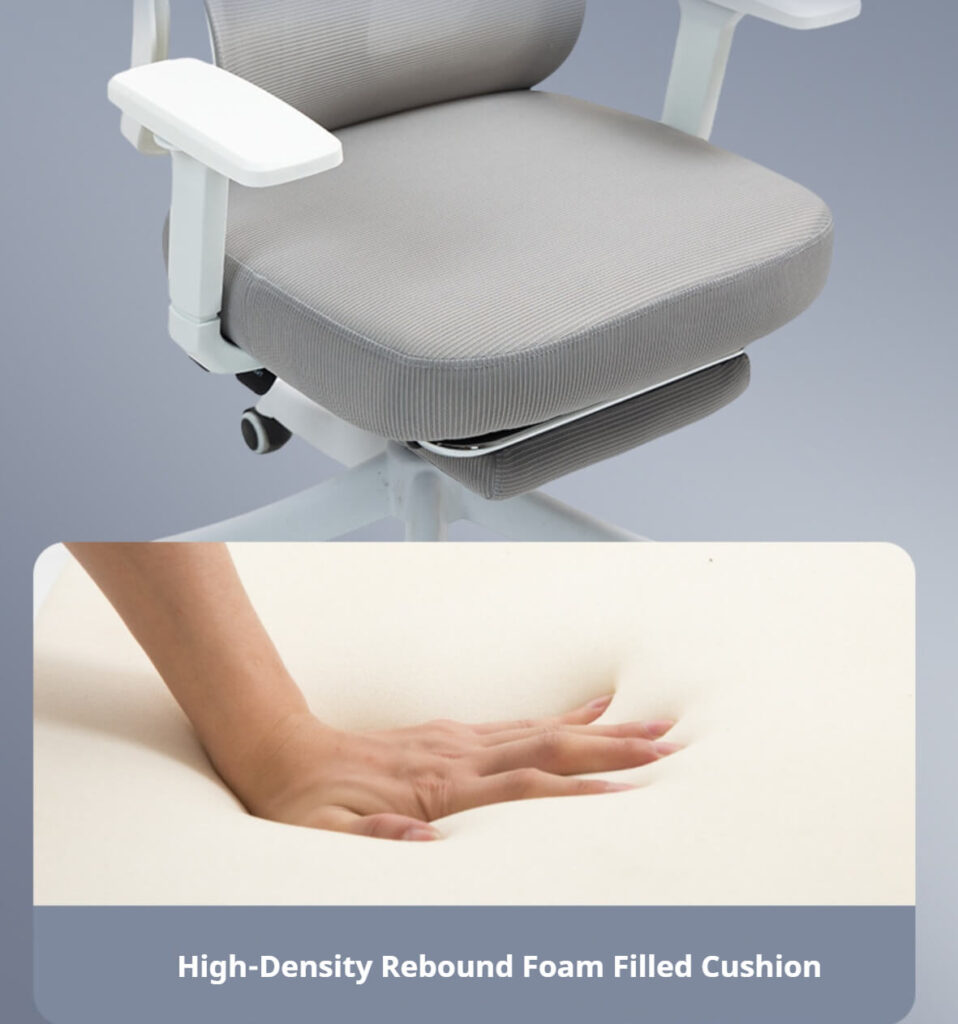
Many low-tier ergonomic chairs utilize cut or recycled sponge to reduce bulk costs. While these feel comfortable during initial testing, they suffer from a 40% volume and density loss within the first three months of an 8-hour workday cycle. The result is “bottoming out,” leading to severe ergonomic complaints and immediate product obsolescence.
The Forensic Solution: A rigorous supply chain audit must verify the use of High-Resilience (HR) cold-molded foam with a density rating of no less than 45-50 kg/m³. Molded foam maintains its structural integrity and tension for 3 to 5 years, completely eliminating the primary cause of early-stage seat failure.
Trap 3: The Pneumatic Cylinder Blind Spot
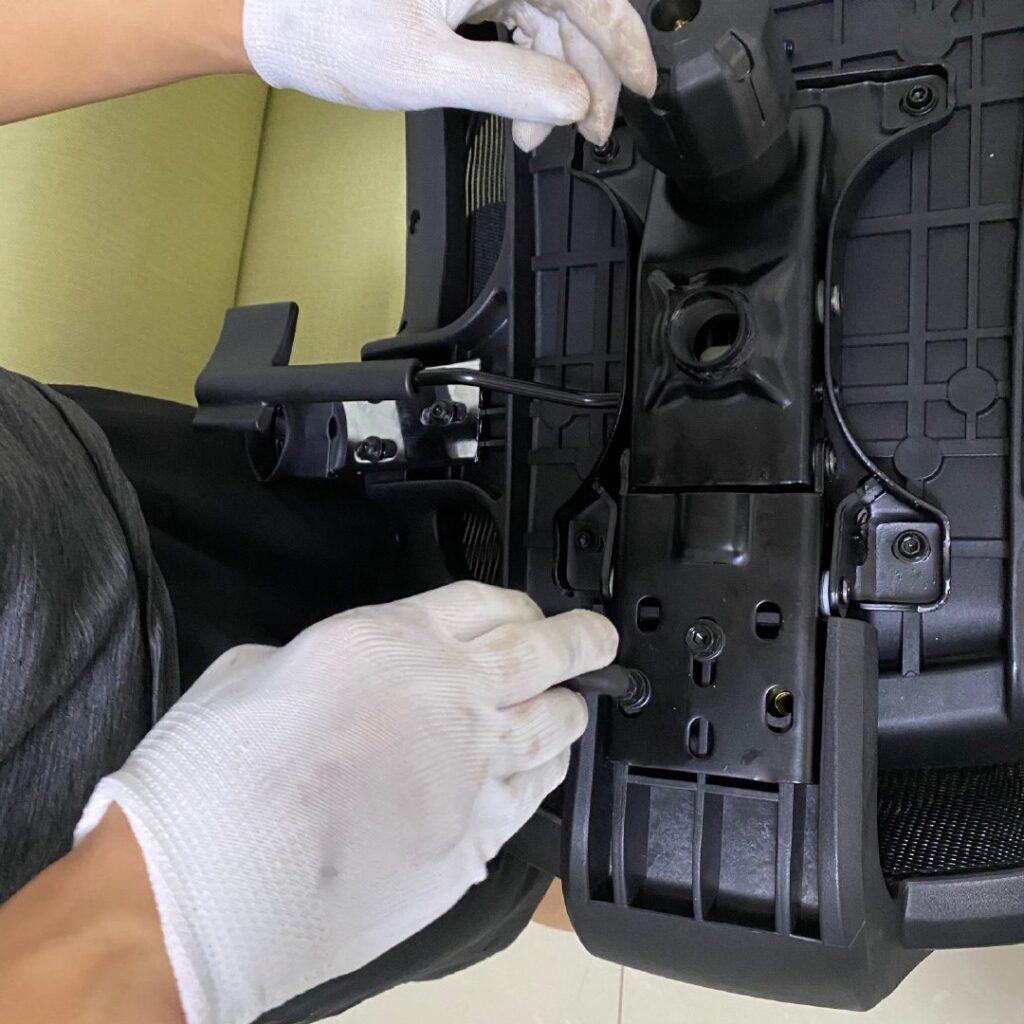
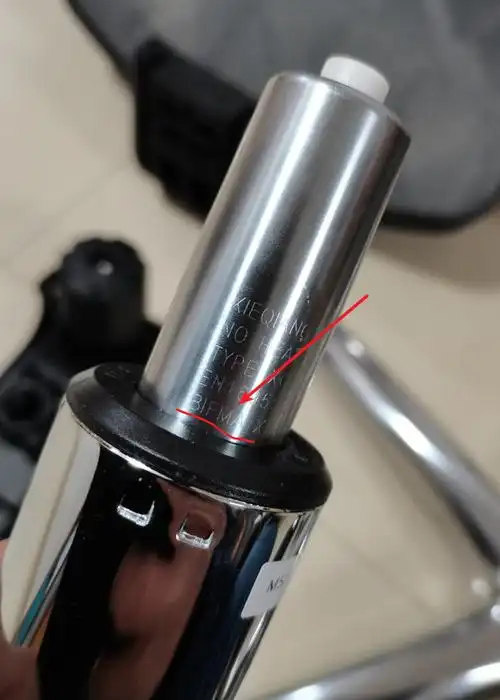
The gas lift (pneumatic cylinder) is the most critical safety component of an ergonomic chair, yet it is visually indistinguishable to an untrained eye.
Suppliers competing purely on price will quietly substitute Class 3 or Class 4 gas lifts (which feature thicker tube walls and higher pressure thresholds) with Class 2 alternatives. Under repetitive load, or when subjected to oblique impacts, substandard cylinders are prone to sudden pressure loss (sinking) or, in extreme cases of manufacturing defects, explosive rupture.
The Non-Negotiable Standard: Procurement specifications must demand explicitly stamped, SGS or TÜV-certified Class 3 (commercial standard) or Class 4 (heavy-duty) gas cylinders. A reliable supply chain integrator will physically verify these heat-stamped credentials at the component level before final assembly begins.
The Verdict: Audited Assets Over Catalogs
In global B2B sourcing, information asymmetry is deadly. Relying on glossy factory images is a gamble with corporate capital.
The only method to achieve a 98% risk mitigation rate is through forensic supply chain integration. By shifting the focus from “buying aesthetic chairs” to “auditing structural weak points,” procurement managers can eliminate hidden lifecycle costs before the initial deposit is ever paid.
True stability in sourcing doesn’t come from promises; it comes from ruthless, objective dissection of the product itself.