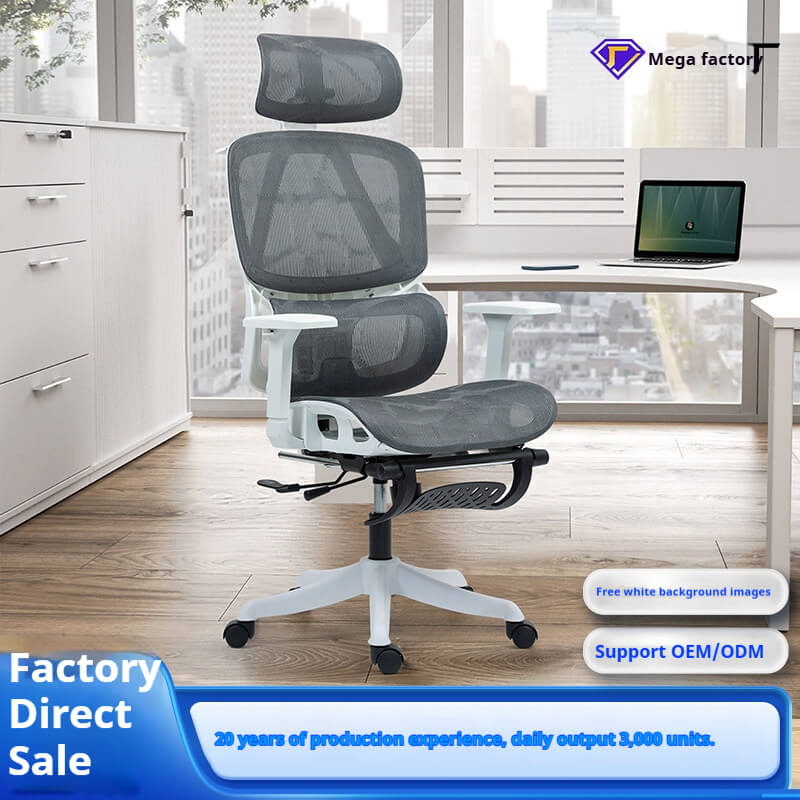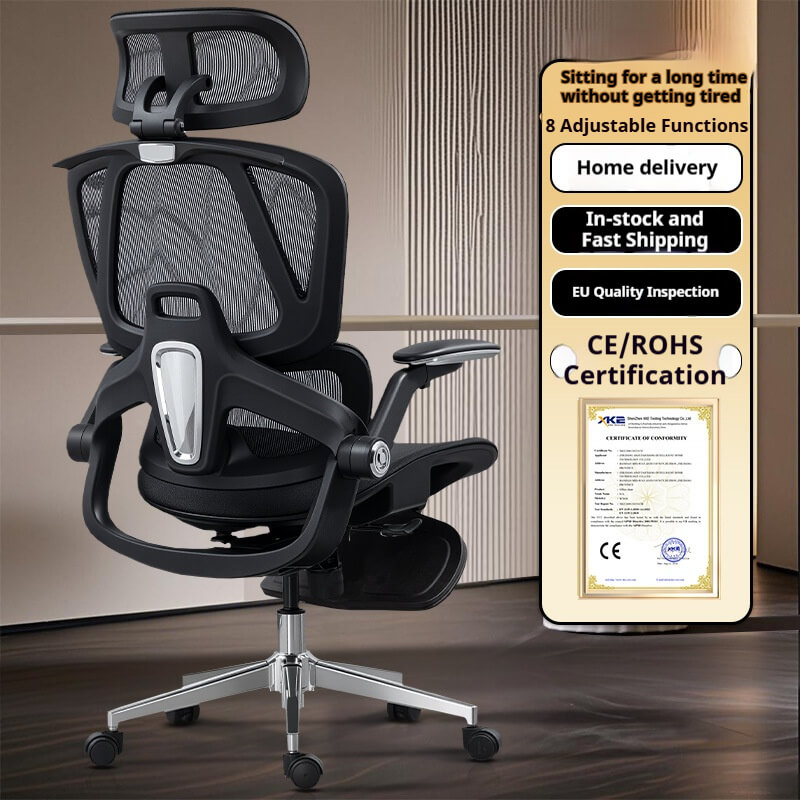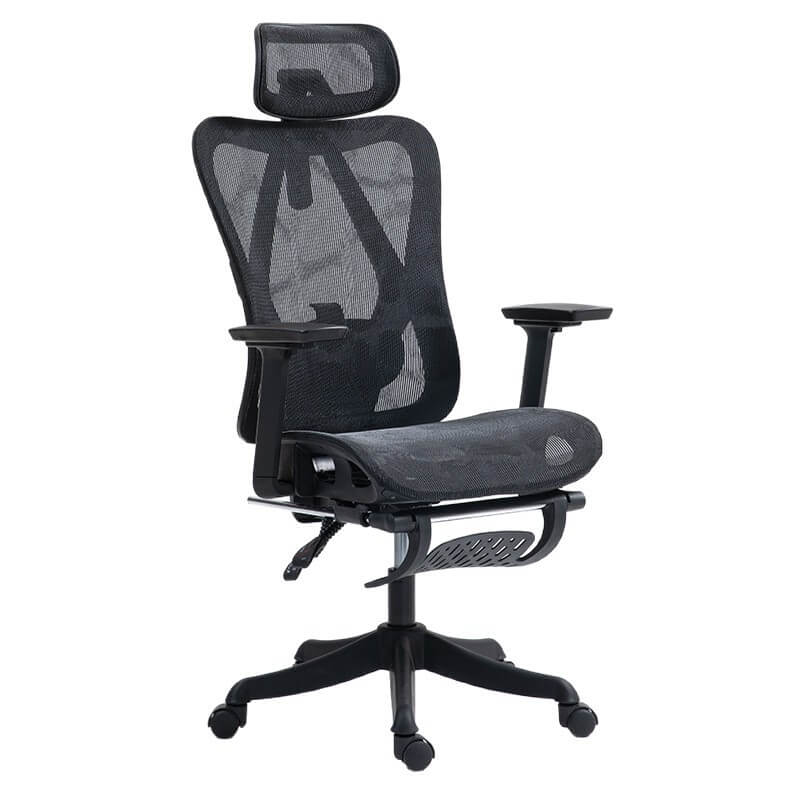
In corporate financial management, office chairs are often mischaracterized as low-value expendable assets on the balance sheet. However, research from the Cornell University Ergonomics Research Group (CUErgo) shows that optimizing workplace ergonomic design can increase employee productivity by 17.5%.
Choosing office chairs for your team is, in essence, the management of your enterprise’s health risk exposure and output efficiency. This guide combines international standards and clinical medical evidence to provide you with an objective, actionable decision-making framework for corporate procurement.
1. Authoritative Evidence: Why Choosing the Right Office Chair Is Mission-Critical for Your Business
To ensure the scientific rigor of your procurement decisions, we reference findings from leading global authorities on workplace safety and ergonomics:
- Occupational Safety and Health Administration (OSHA): Confirms that musculoskeletal disorders (MSDs) caused by improper sitting account for 33% of workers’ compensation claim expenditures in the United States.
- Mayo Clinic: Highlights that prolonged sitting increases the risk of metabolic syndrome, while chairs with dynamic support can effectively reduce intervertebral disc pressure.
- Leading Industry Expertise: Internationally renowned ergonomics expert Dr. Alan Hedge emphasizes that an ideal office chair must support dynamic sitting, rather than rigid, fixed support.
2. 5 Core Dimensions for Screening Corporate Office Chairs
Aligned with the BIFMA G1-2013 Ergonomics Guideline (the global gold standard for office seating), a qualified procurement specification must include the following non-negotiable elements:
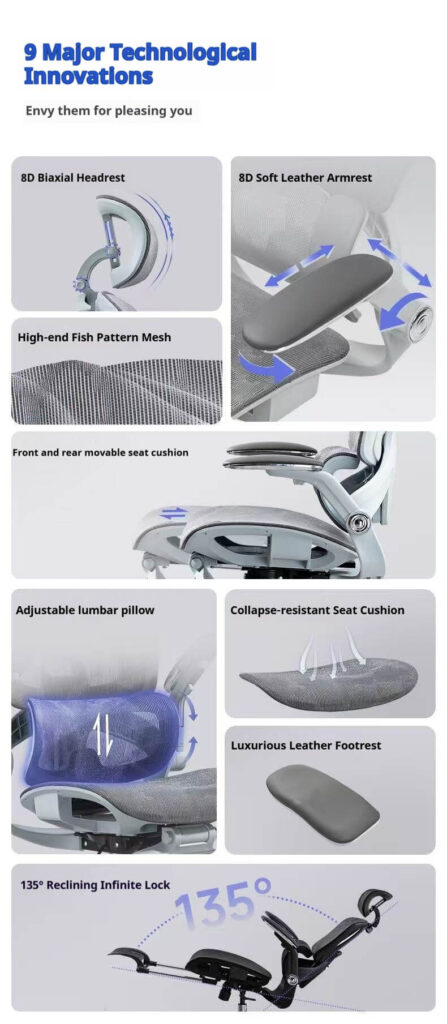
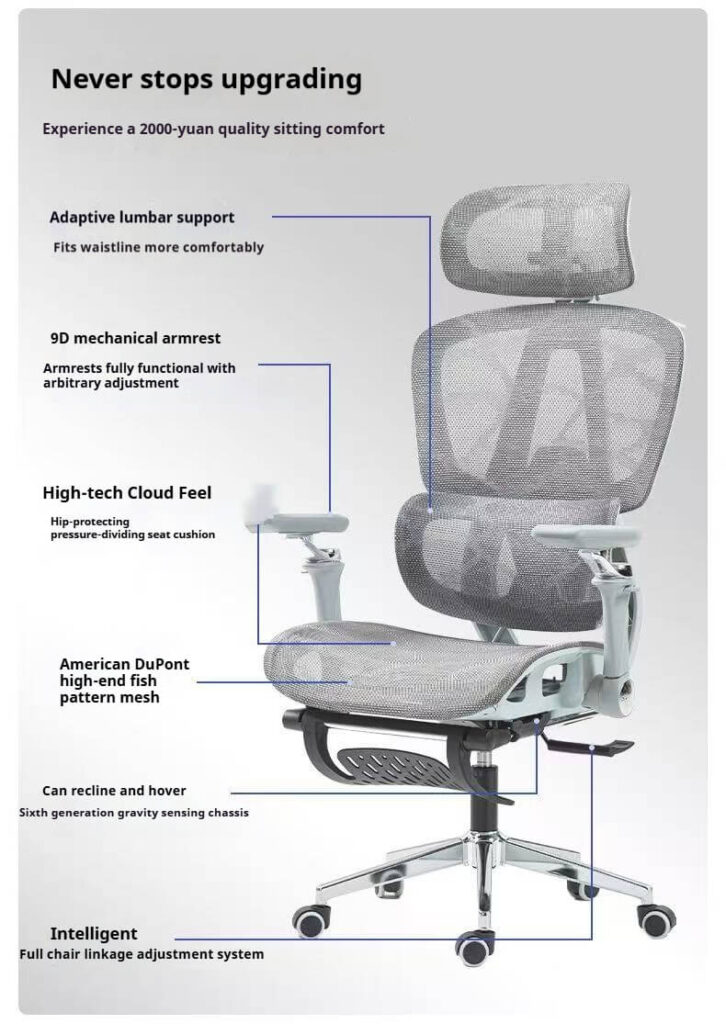
2.1 Dynamic Lumbar Support
- Scientific Rationale: The spine maintains its natural S-curve when seated. Inadequate support leads to excessive pressure on the L4 and L5 intervertebral discs, the most common source of chronic lower back pain in office workers.
- Procurement Standard: The lumbar support must offer both height and depth adjustability, with elastic responsiveness to ensure it remains fully aligned with the spine when the user reclines or leans forward.
2.2 Seat Pan Biomechanics
- Seat Depth Adjustment: This feature is non-negotiable. Per the ISO 9241-5 ergonomic standard, there must be a 2-3 finger gap between the front edge of the seat pan and the user’s popliteal fossa (back of the knee) to prevent venous compression and reduced leg circulation.
- Material Density: We recommend high-resilience foam with a density of ≥ 45kg/m³, or high-tension breathable mesh with proven tension retention.
2.3 The Necessity of 4D Armrests
- Core Functionality: Armrests must support 4-way adjustability: height, depth, width, and rotational angle.
- Business Purpose: Designed to eliminate static load on the levator scapulae muscle, and prevent common office-related conditions including carpal tunnel syndrome and cervical spondylosis.
2.4 The Mechanism Chassis
- Synchro-Tilt Mechanism: This is the defining line between a low-cost disposable chair and a professional ergonomic chair. The backrest and seat pan should recline at a 2:1 ratio — the optimal proportion to maintain the user’s eye level and open torso alignment during movement.
3. Financial Perspective: ROI (Return on Investment) Analysis of Ergonomic Office Chairs
We can calculate the economic value of investing in high-performance ergonomic chairs with a simple, finance-team-approved formula:
ROI=ChairProcurementPremium(ReducedSickLeaveCosts+ProductivityImprovementValue)−ChairProcurementPremium
- Real-World Example: Assume an employee has an annual salary of $100,000. Even a conservative 5% improvement in productivity creates an additional $5,000 in annual value for the business. By contrast, a $500 high-end ergonomic chair with a 10-year service life has an annual depreciation cost of just $50.
4. Pitfall-Avoidance Guide: Common Mistakes in B2B Procurement
- Myth 1: A single unified model works for everyone.Fact: Employee heights range from 150cm to 190cm. Ensure the chair’s gas lift is Class 4 rated, with a height adjustment range that covers the 5th to 95th percentile of user body types.
- Myth 2: A long warranty term is all that matters.Fact: Many manufacturers promise a 10-year warranty, but only cover the frame — wearable components like mesh and gas lifts are often only warrantied for 2 years. Always request the full, detailed Warranty Policy before finalizing any order.
5. FAQ: In-Depth Q&A for Corporate Office Chair Procurement
Q1: Should we choose mesh chairs or foam-cushioned chairs?
Expert Recommendation: The optimal choice depends on your workplace environment. Mesh offers exceptional breathability, making it ideal for employees who run warm or work in non-climate-controlled spaces. High-density foam delivers superior pressure distribution, making it better suited for roles requiring long hours of deep, focused work.
Q2: Is BIFMA certification mandatory for all office chairs we procure?
Authoritative Context: Certification from the Business and Institutional Furniture Manufacturers Association (BIFMA) is the global gold standard for office seating durability and safety. BIFMA-compliant chairs must pass 120,000 cycle stress tests. For enterprise-level procurement, this certification is a critical safeguard against legal liability (e.g., employee workplace injury lawsuits) and long-term replacement costs.
Q3: How do we address the growing trend of standing desks in the workplace?
Recommendation: Office chairs should be selected to complement height-adjustable standing desks. Research consistently shows that the optimal workplace model is alternating sitting and standing, not prolonged standing alone. A high-quality ergonomic chair remains a core component of this healthy work model.
6. Conclusion: View Office Furniture Through a Strategic Lens
Choosing office chairs for your team is a long-term investment in your company’s most critical asset: your people. A workplace aligned with EN 1335 (European office furniture standard) or BIFMA standards not only reduces hidden human capital costs for your business, but also significantly enhances your employer brand image.
References & Sources:
Need Customized Support for Your Procurement Project?
Would you like a customized Ergonomic Seating Configuration & Budget Breakdown tailored to your office layout and team needs?
Or, would you prefer a curated Top 5 Global/Domestic B2B Office Chair Brand Comparison Matrix to streamline your vendor shortlisting?