In the world of ergonomic chairs, the gas lift cylinder is the heart of the product. It is also the most common place where factories “quietly” downgrade quality to meet an aggressive target price.
When a supplier offers you a price that is $1.50 to $2.00 lower than the market average, they aren’t necessarily more efficient—they might just be gambling with your safety.
1. The Industry’s “Dirty Secret”: The $1.50 Downgrade
In a brutal category like gaming chairs, Customer Experience (CX) teams often face a nightmare of squeaky chairs and leaking cylinders six months after the container arrives. Why?
- The Hidden Swap: To save a couple of bucks, many factories swap out high-quality Class 4 cylinders for Class 2 or low-grade Class 3 alternatives.
- The RMA Impact: This “invisible” change is why some brands suffer from a 5% RMA rate due to component failure, while others enjoy 0% RMA.
- The Showroom Illusion: A chair with a cheap gas lift looks amazing in the showroom, but the seal begins to fail under daily use, leading to “sinking chairs” and furious end-users.
2. Technical Breakdown: Class 3 vs. Class 4
The “Class” of a gas lift refers primarily to the thickness of the steel tube and the durability of the internal pneumatic seals.
| Feature | Class 3 Gas Lift | Class 4 Gas Lift (The Zechu Standard) |
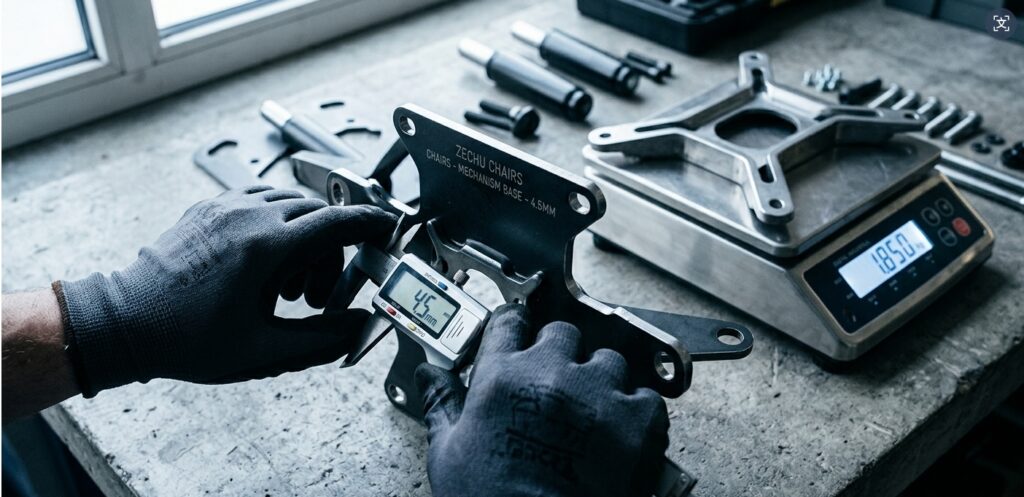
| Outer Steel Thickness | Often 1.5mm – 2.0mm | Minimum 2.5mm |
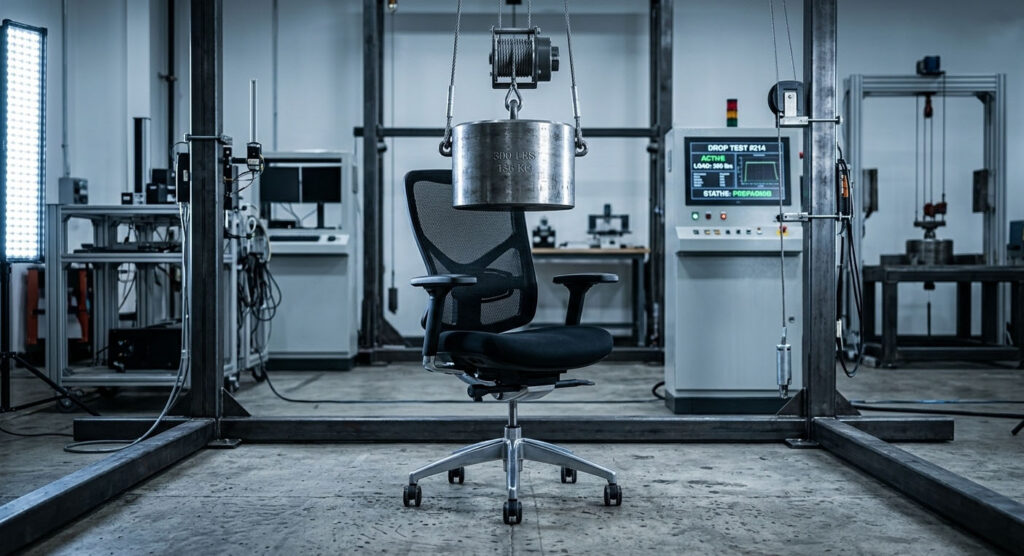
| Max Weight Capacity | 120kg – 150kg | Over 200kg (BIFMA Certified) |
| Failure Rate | ~3% to 5% in high-use environments | Near 0% with KGS/Samhongsa |
| Longevity | 1-2 years of reliability | Built for 5-10 years of daily use |
A Class 4 cylinder provides a “smooth” premium experience that users can feel immediately. Low-grade cylinders often feel “jerky” or produce a grinding metal sound when reclined.
3. How to Identify a Quality Cylinder (The “Stamp” Test)
Don’t rely on “trust” alone; many factories rely on the fact that buyers rarely inspect the components inside the box. Here is how to verify:
- Look for the Laser Etching: Reputable brands like KGS or Samhongsa always laser-etch their brand name, the Class rating, and the production date on the cylinder wall.
- The Weight Test: Because of the thicker steel, a Class 4 cylinder is noticeably heavier than a Class 3 or 2.
- Verify the Certification: Demand to see the BIFMA x5.1 test report specifically for the gas lift model being used, not just a general factory certificate.
4. Why Locking Your BOM is Non-Negotiable
The difference between a profitable container and a $10,000 loss is often a single component.
At Zechu, we use Class-4 KGS gas lifts and implement a BOM (Bill of Materials) Lock Protocol. This ensures zero substitutions—meaning the gas lift in the first container is exactly the same as the one in the 100th container.
“When you pressure a supplier to cut prices, they don’t sacrifice their margin. They sacrifice the parts you can’t see.”
Conclusion: Don’t Compromise on Safety
Saving $1.50 per chair is never worth the risk of a cylinder failure or the cost of handling thousands of warranty claims. If you want to ensure your chairs stay “smooth” for years, start by specifying a Class 4 cylinder from a verified supplier.
Want to learn how to expose other invisible traps in your supply chain? Check out our 5-page guide: “3 Questions to Expose a ‘Fake’ Office Chair Factory”.