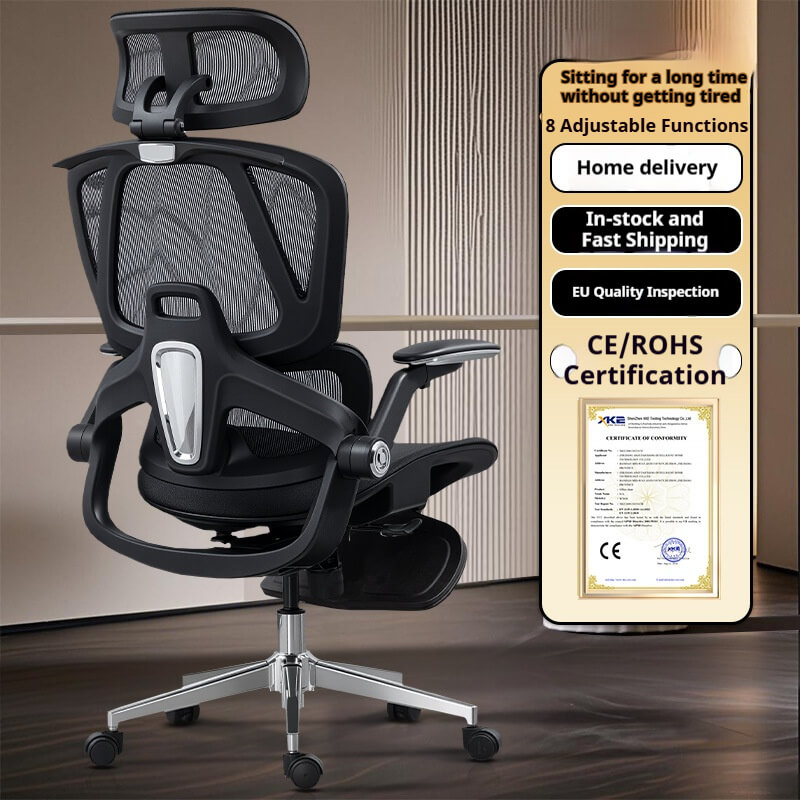
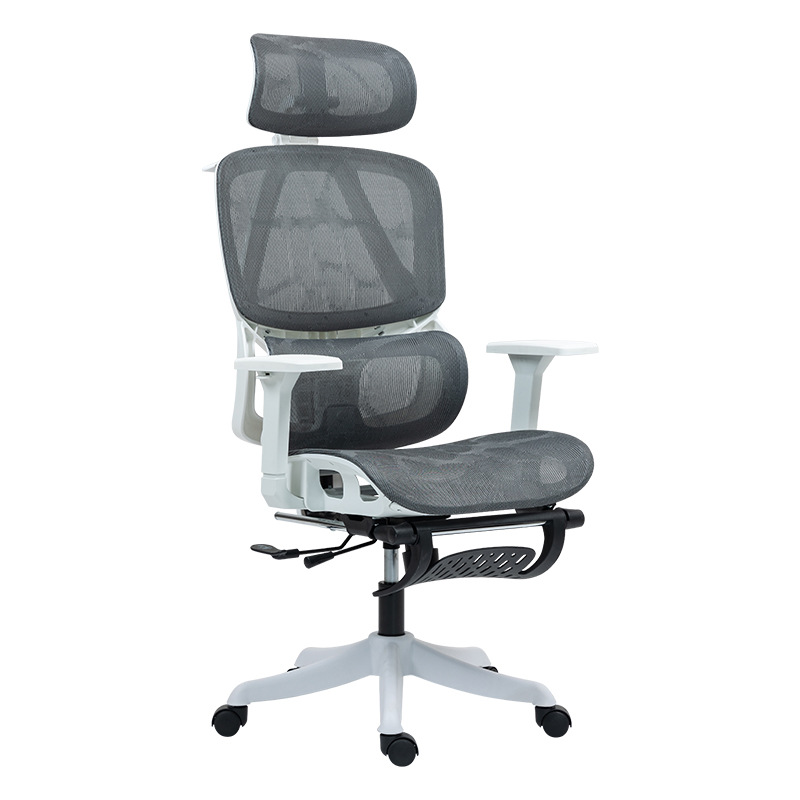
When an office chair is still in good condition but one of its parts is no longer available, refurbishing it can become difficult. The original manufacturer may have stopped producing the component, replacement parts may not fit correctly, or the cost of finding a solution may exceed the value of the chair.
For office furniture refurbishers, the key is to determine whether the part can be replaced, adapted, or custom-made before spending more time and money on the job.
Frequently Asked Questions
1. How do you find discontinued office chair parts?
Start by identifying the chair’s manufacturer, model, and approximate production year. Check for labels or part numbers, then contact the manufacturer, authorized dealers, and replacement-parts suppliers.
If the original part cannot be found, take clear photos of the component and record its key dimensions. Search by the part’s function as well as the chair model. For example, a tilt mechanism may be listed under several different names.
For older chairs, the model name alone may not be enough. Different versions of the same chair can use different mounting patterns or component designs.
2. What information do you need to identify an old office chair replacement part?
The more information you can collect, the easier it is to check compatibility.
- Chair manufacturer and model
- Part number or markings, if available
- Photos of the complete chair and the individual component
- Overall dimensions and mounting-hole spacing
- Connection points and attachment methods
- Any remaining parts that show how the component fits
- Details of the problem, such as a broken bracket or a mechanism that no longer operates correctly
If the original component is damaged or incomplete, measurements from the chair itself may also be necessary.

3. Can you use a universal replacement part instead of the original?
Sometimes, but not always.
A universal replacement can be a practical option when its dimensions, mounting points, and operating characteristics match the chair. However, two parts that look similar may differ in ways that prevent proper installation or operation.
Before ordering, check the relevant measurements and interface details. For mechanisms and other functional components, confirm that the replacement works as intended rather than assuming that a physical fit is sufficient.
4. Why do replacement office chair parts sometimes fail to fit?
A replacement part may have the wrong hole spacing, mounting height, connection geometry, or operating range.
For example, a gas lift may have the correct tube diameter but a different button height. A tilt mechanism may fit beneath the seat but have mounting holes that do not align with the original chair.
These differences can lead to installation problems, additional labor, or a replacement that does not work correctly.
The best way to reduce these problems is to compare the original part and the proposed replacement before placing an order. For critical dimensions, request a drawing or verify the measurements directly.
5. What can you do when the original office chair part is no longer manufactured?
There are three main options:
- Find an existing compatible part. This is usually the first option to investigate because it may avoid development costs.
- Adapt an existing part. An adapter plate or other properly designed interface may solve a mounting mismatch.
- Develop a custom replacement. If no suitable part is available, the original component can be measured and recreated as a drawing for prototype development.
The right option depends on the chair’s condition, the component’s function, the required quantity, and the total cost of the solution.
6. When is reverse engineering a discontinued chair part worthwhile?
Reverse engineering is worth considering when the chair is still valuable enough to refurbish, the original component cannot be sourced, and an existing alternative does not meet the requirements.
The process generally involves measuring the original part, reconstructing its geometry, creating a CAD drawing, and checking critical dimensions. A prototype may then be produced to verify fit and function.
It is important to consider the part’s material, strength, and operating requirements as well as its shape. For load-bearing or safety-related components, dimensional similarity alone does not establish that a replacement is suitable.
7. Can an adapter plate solve an office chair compatibility problem?
An adapter plate can sometimes connect components with different mounting patterns. However, it should only be considered after checking the available space, hole positions, attachment method, and structural requirements.
An adapter will not automatically solve every mismatch. It may introduce clearance problems or affect the component’s position and operation.
Before developing one, confirm the dimensions of both interfaces and determine whether the resulting assembly can be used safely and reliably.
8. Is custom manufacturing economical for a small number of refurbished chairs?
It depends on the development cost and the number of chairs that need the same part.
Custom manufacturing may be difficult to justify for a single low-value chair, especially if drawing, tooling, and prototype costs are high. It may make more sense when several chairs share the same discontinued component or when the part is likely to be needed again.
Before proceeding, compare the expected total cost with the value of the chairs and the labor required to refurbish them. Include engineering, samples, tooling if needed, unit price, and delivery time.
9. How can office furniture refurbishers reduce the cost of sourcing discontinued parts?
A repeatable identification process can reduce unnecessary orders and repeated research.
Keep records of chair models, part numbers, photos, key measurements, supplier details, and verified alternatives. When a difficult-to-source component appears again, this information can shorten the time needed to assess it.
It is also useful to identify compatibility requirements before ordering rather than discovering a mismatch after the part arrives.
For businesses handling larger inventories, documenting recurring parts can help determine which components are worth sourcing in batches and which are better handled case by case.
10. What should you send a supplier when requesting a custom replacement part?
Provide enough information for the supplier to assess the component before quoting.
A useful initial request includes:
- Photos of the original component from several angles
- Chair manufacturer and model, if known
- Measurements and mounting-hole details
- A description of how the part connects and operates
- Expected quantity
- Any existing drawings or part numbers
- The required delivery timeframe
If the part is damaged, explain which areas are broken and which dimensions are still reliable. This helps establish whether the available information is sufficient for drawing development or whether additional measurements or a physical sample are needed.
Final Thoughts
A discontinued office chair part does not automatically make a chair impossible to refurbish. The first step is to identify the component and verify whether the original is still available. If it is not, check compatible alternatives before considering an adapter or custom replacement.
For refurbishment businesses, the objective is straightforward: find a solution that fits, works as intended, and makes financial sense for the job.