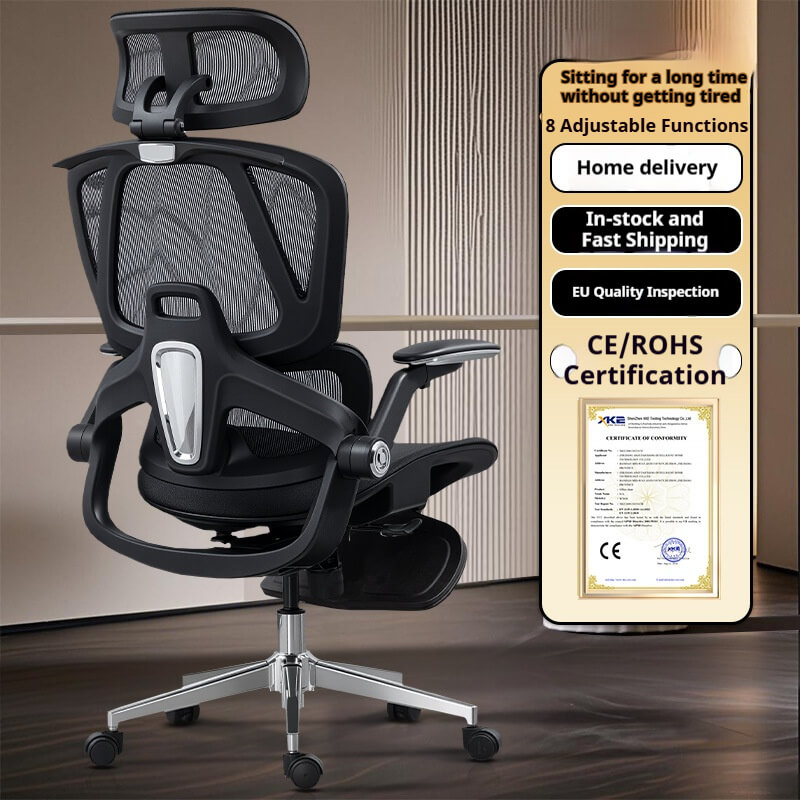
Here is the most expensive mistake procurement teams and brand owners make in the furniture industry: You spend $50,000 on Amazon PPC, SEO, and influencer marketing to rank a product, only to find 14 identical chairs listed next to yours a month later, priced $15 cheaper.
You didn’t build a brand. You just paid to test the market for a Chinese factory’s “public mold.”
When buyers fail to understand the fundamental difference in oem vs odm office chair manufacturing, they end up operating as glorified, unpaid marketing agencies for their suppliers. You assume your logo makes the product yours. To the factory, your logo is just a temporary sticker on a chair they will happily sell to your direct competitor tomorrow.
2. The Insider Truth: Decoding the OEM vs ODM Illusion
To stop bleeding market share, you must understand how the Chinese supply chain actually defines these terms. It is entirely different from the textbook definitions.
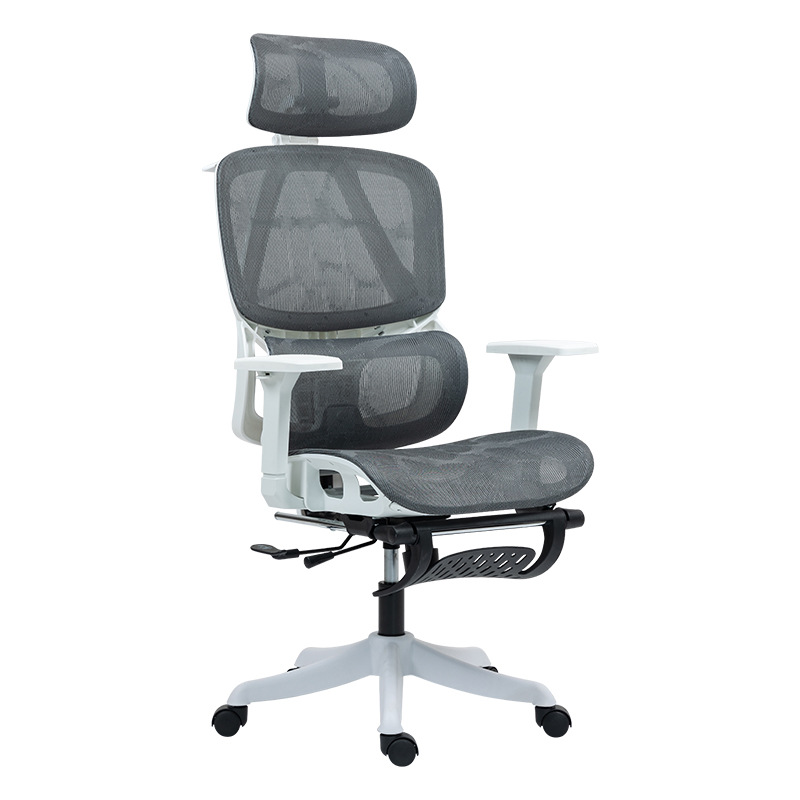
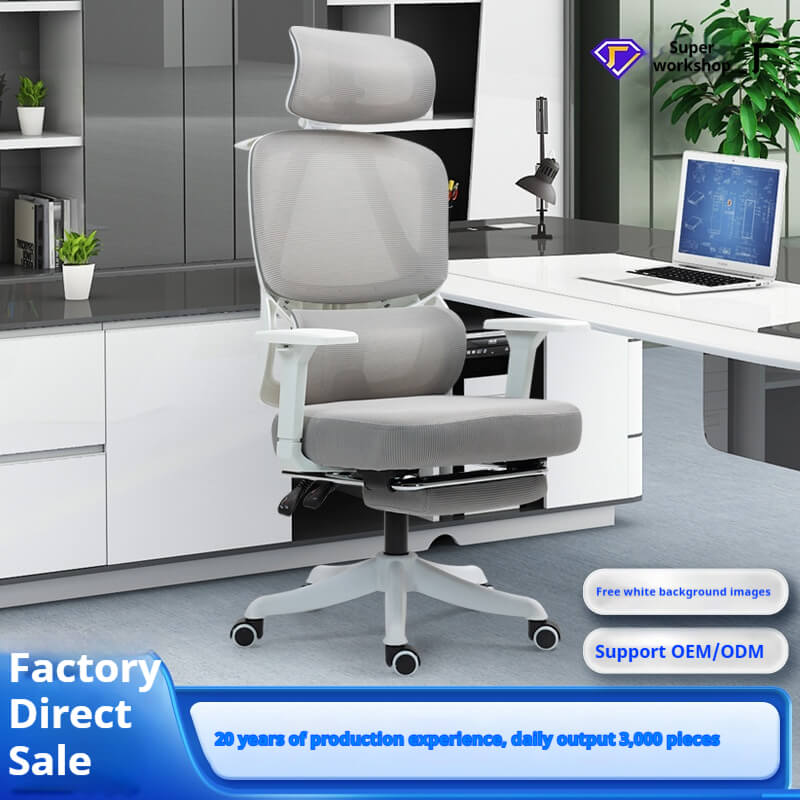
The OEM Reality (The “Sticker” Strategy): In the office chair industry, OEM does not mean “custom manufacturing.” It means you are buying off-the-shelf components from a public mold . The factory owns the injection molds for the backrest, the armrests, and the base. You are simply choosing the fabric color and paying $0.50 to laser-engrave your logo on the mechanism cover.
- The Dark Side: You have zero Intellectual Property (IP). You have no moat. When your listing succeeds, the factory will use your sales data to pitch the exact same chair to other buyers, often using your product photos.
The ODM Reality (The “Moat” Strategy): True ODM involves modifying the physical structure or aesthetic of the chair. It requires opening new steel injection molds for specific plastic or aluminum components (e.g., a proprietary lumbar support shape or a unique Y-frame backrest).
- The Dark Side: Most factories will try to charge you a “tooling fee” ($5,000 – $15,000) for a new mold, but they will stealthily keep the mold in their facility and run unauthorized production batches for domestic buyers. Unless mathematically and legally controlled, you are subsidizing their R&D.
3. The ROI & Risk Breakdown: The True Cost of “Saving” on Tooling
Is the upfront cost of ODM tooling worth it? Let us calculate the Total Cost of Ownership (TCO) and Profitability over an 18-month lifecycle for a standard ergonomic chair, comparing a standard OEM (Public Mold) approach versus a targeted ODM (Custom Backrest Mold) strategy.
| Metric (18-Month Lifecycle) | The “Safe” OEM (Public Mold) | The Strategic ODM (Custom Component) |
| Upfront Tooling Cost | $0 | $8,500 (Custom Backrest Mold) |
| Initial Unit Cost (FOB) | $55.00 | $56.50 |
| Market Exclusivity | 0 Days | 18+ Months (IP Protected) |
| Margin Compression (Price War) | -$20 per unit (after 4 months) | $0 (No identical competitors) |
| Ad Spend to Maintain Rank | High (Fighting exact replicas) | Normal (Differentiated product) |
| Gross Profit (on 5,000 units) | $125,000 (Declining rapidly) | $214,000 (Stable margin) |
| Net IP Asset Value | $0 | The physical steel mold ($8,500 value) |
The Verdict: Refusing to pay an $8,500 tooling fee out of fear or budget constraints typically costs a brand over $80,000 in lost margins due to inevitable price wars. In oem vs odm office chair manufacturing, whoever owns the steel mold owns the pricing power.
4. The Defense Line: Executing ODM Without Being Exploited
We do not design chairs for you; we engineer your supply chain moat. If you decide to invest in an ODM modification, our role as your local defense line is to ensure your investment actually belongs to you.
Here is our protocol for customized manufacturing:
- The “Mold Custody” Clause: We execute strict NNN (Non-Disclosure, Non-Use, Non-Circumvention) agreements tied directly to the Chinese legal entity of the factory. If you pay for the tooling, the contract states the mold is your physical property.
- Tooling Audit & Engraving: Before mass production begins, we physically inspect the steel mold at the injection facility. We ensure your company name and a serial number are permanently CNC-milled into the steel tool itself, preventing it from being mixed into the factory’s public catalog.
- Component Weight Verification: We establish a “Golden Sample” baseline. If your ODM backrest is supposed to use 1,200 grams of virgin nylon, we weigh the raw components during Pre-Shipment Inspections (PSI). Factories cannot quietly thin out your proprietary mold to save on plastic costs.
5. Next Step for Brand Builders
If you are currently buying OEM chairs and experiencing margin shrinkage, the next step is not to ask your supplier for a $2 discount. The next step is to evaluate which single component you can modify to legally separate your product from the public market.