A customer calls.
The chair is still in good condition.
The frame is solid.
The upholstery is acceptable.
The only problem?
A single failed component.
The armrest is broken.
The mechanism no longer works.
The gas lift is worn out.
The chair should be easy to repair.
Instead, the project stops because the original part no longer exists.
If you refurbish commercial seating, you have seen this before.
The Most Expensive Office Chair Problem Isn’t The Chair
Most commercial chairs are designed to last years.
Many remain in service for:
- 10 years
- 15 years
- 20 years
Unfortunately, replacement parts rarely stay available that long.
Manufacturers update models.
Suppliers change.
Components disappear.
The result is simple:
A chair worth keeping becomes unusable because of one missing part.
The Hidden Cost Of Discontinued Components
When a replacement component cannot be found, refurbishers face three bad options.
Option 1 — Scrap The Chair
This destroys resale value.
Good furniture becomes waste.
Option 2 — Replace The Entire Chair
Often the most expensive solution.
The customer pays for an entirely new chair because one component failed.
Option 3 — Delay The Project
The chair occupies warehouse space.
The customer waits.
Revenue is delayed.
None of these options are ideal.
The Components That Cause Problems Most Often
Refurbishers frequently struggle with:
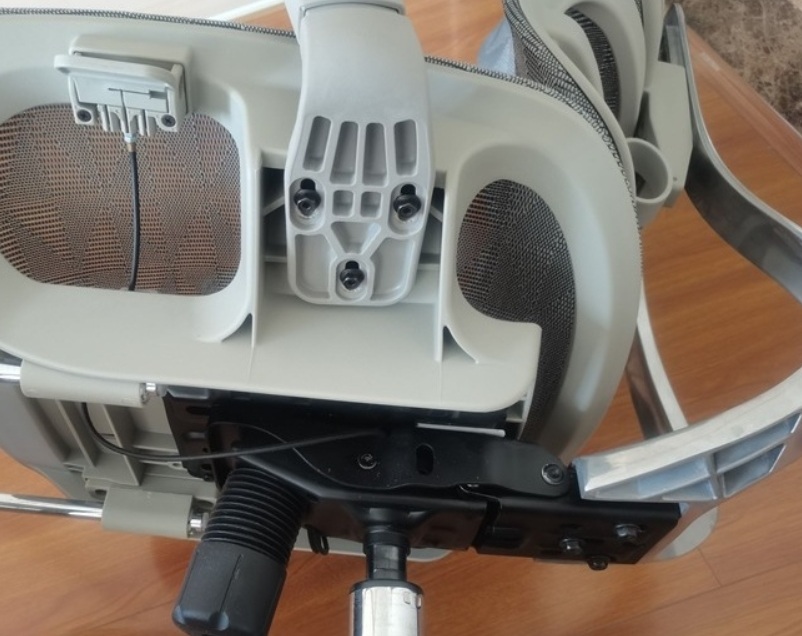
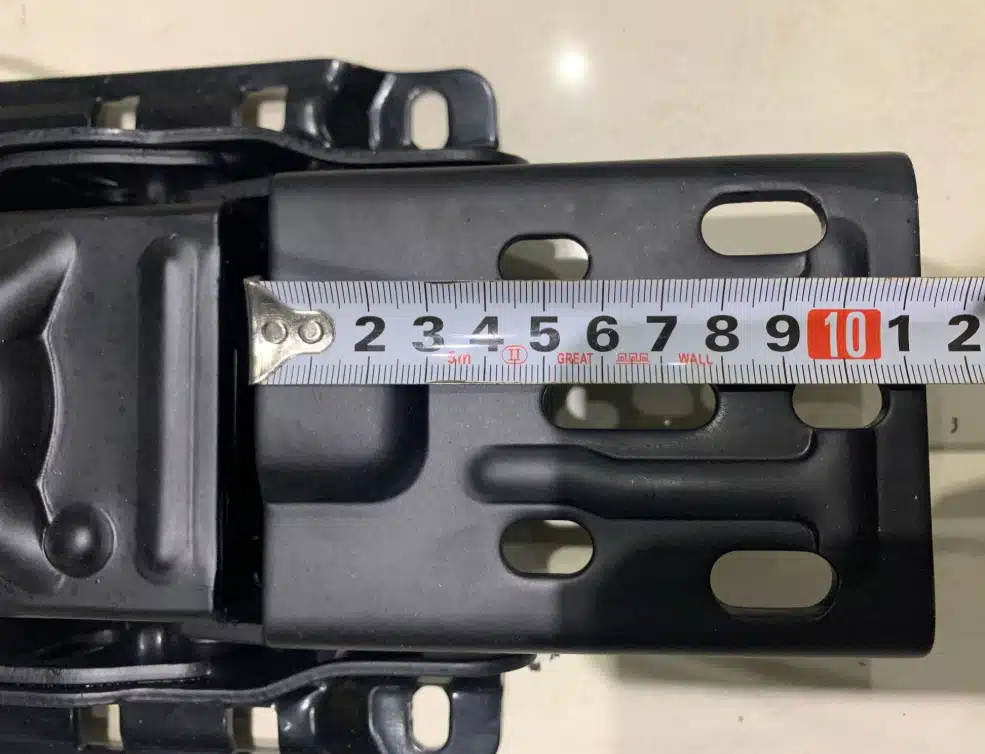
Chair Mechanisms
Different mounting patterns make direct replacement difficult.
Armrest Assemblies
Many older arm systems are discontinued.
Gas Lifts
Some models use uncommon specifications.
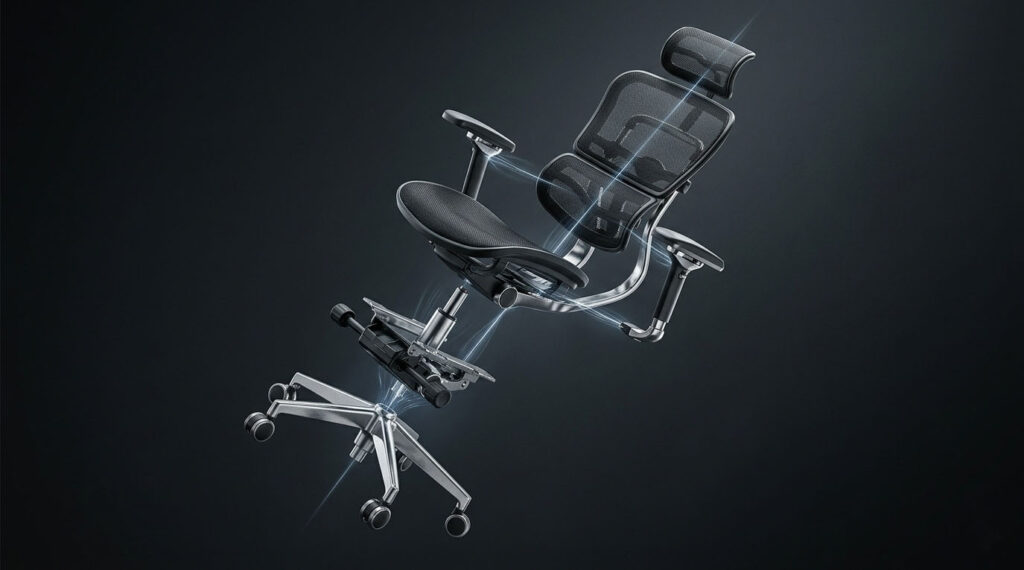
Adapter Plates
Small parts that determine compatibility are often impossible to find.
What Successful Refurbishers Do Instead
The most successful refurbishment companies do not stop when a part disappears.
They solve the compatibility problem.
This usually happens in one of three ways:
Compatible Replacement Components
When dimensions and mounting patterns match.
Custom Adapter Solutions
When existing components require modification.
Reverse Engineered Parts
When the original part is completely unavailable.
The original component is measured.
A replacement is produced.
The chair returns to service.
When Reverse Engineering Makes Financial Sense
Reverse engineering is often justified when:
- The chair still has resale value
- Multiple units require the same component
- Original parts are discontinued
- Replacement chairs cost significantly more
For many commercial seating projects, replacing one component creates a better return than replacing the entire chair.
Who Benefits Most?
This approach is particularly valuable for:
- Office furniture refurbishers
- Used office furniture dealers
- Asset recovery companies
- Furniture liquidators
- Commercial furniture repair companies
Anyone managing large inventories of used chairs eventually encounters discontinued components.
FAQ
What if the original manufacturer no longer supports the chair?
Alternative or reverse-engineered components may still be available.
Can old office chairs still be repaired?
In many cases, yes. The chair often remains structurally sound even when one component fails.
Which parts are most commonly discontinued?
Mechanisms, arm assemblies, adapter plates and model-specific components.
Is replacing one component cheaper than replacing the entire chair?
Frequently, yes—especially for premium commercial seating.
Need Help Sourcing Difficult Chair Components?
If you are dealing with:
- discontinued parts
- hard-to-source components
- non-standard mounting patterns
- legacy commercial seating
there may be alternatives available.
A single component should not determine whether a valuable chair stays in service or goes to scrap.